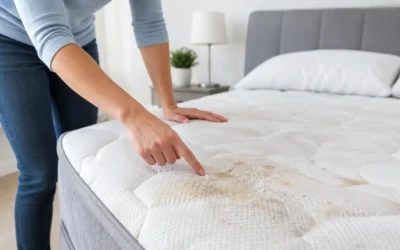
A musty smell near the skirting board, dark spotting beneath furniture or a carpet that still feels damp a day after a spill should never be treated as an ordinary cleaning job. Can carpet cleaning remove mould? Sometimes it can remove light surface mould and contamination from a salvageable carpet, but only after the source of moisture has been dealt with. Cleaning alone cannot solve an active damp problem.
For households, tenants and landlords in Brighton and Hove, acting early protects both the carpet and the people using the room. Mould spores can aggravate allergies and respiratory symptoms, while prolonged damp can damage the backing, underlay and floor beneath the carpet.
Can carpet cleaning remove mould from a carpet?
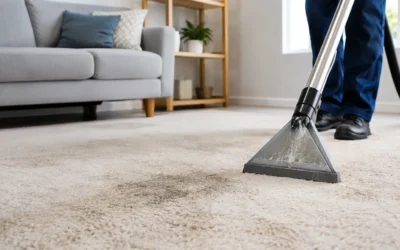
Professional carpet cleaning may improve a carpet affected by a small, localised area of surface mould, particularly where the cause was a contained incident such as a drink spill, wet shoes or condensation around a window. The aim is to remove soiling, mould residue and odours from the fibres while extracting as much moisture as possible.
However, mould is not simply a stain. It grows where moisture and organic material are available, and carpet provides plenty of places for spores to settle. If the backing or underlay has stayed wet, or moisture is still entering the room, mould can return after even the most thorough clean.
That is why a proper assessment matters. A professional cleaner can advise whether deep cleaning is a sensible option, but extensive mould growth, contaminated underlay or a carpet affected by dirty floodwater may require removal and specialist remediation instead. Being honest about that trade-off is far better than treating the surface and hoping for the best.
First, find out why the carpet became damp
Before arranging carpet cleaning, identify and stop the moisture source. Without this step, a fresh-looking carpet can quickly become musty again.
Common causes include a leaking radiator or pipe, rainwater entering through a damaged window or wall, condensation in a poorly ventilated room, a wet pet area, an overflowing appliance, or a carpet left damp after an earlier cleaning attempt. Ground-floor rooms can also be affected by rising damp or moisture coming through the subfloor.
If you notice a leak, turn off the water supply where appropriate and seek help from a qualified plumber or property professional. In a rented property, report damp and leaks to the landlord or letting agent promptly and keep a record of the issue. The building problem needs attention alongside any cleaning work.
A carpet that has only recently become wet has a much better chance of being saved. Prompt water extraction, airflow and controlled drying can prevent mould from becoming established. Once a carpet has been damp for several days, the decision becomes more cautious, especially if there is a strong odour or visible growth.
When professional deep cleaning may be suitable
A professional clean can be worthwhile when the affected area is small, the moisture source has been fixed and the carpet, backing and underlay are dry or can be dried effectively. It is also more suitable where there is no evidence of widespread mould on walls, skirting boards or the subfloor.
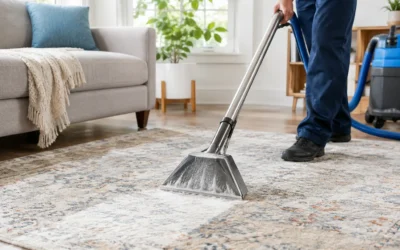
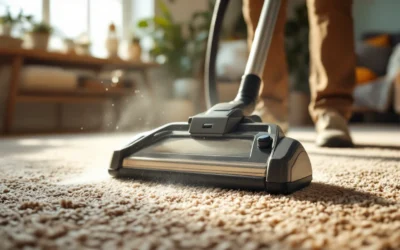
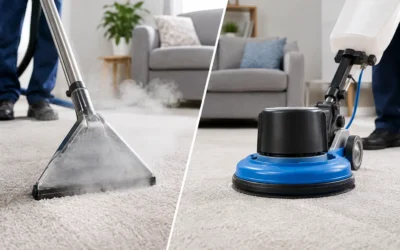
Specialist equipment can lift deeply embedded dirt and residue that ordinary vacuuming cannot reach. Appropriate cleaning solutions and careful extraction help refresh the carpet without leaving it unnecessarily wet. Good drying is a central part of the process: windows may need to be opened where conditions allow, heating used sensibly and furniture kept off the carpet until it is fully dry.
For a family home, the right method should be effective without introducing harsh, unnecessary chemicals. City Carpet Cleaning uses child- and pet-safe cleaning solutions where appropriate, alongside professional equipment designed to clean deeply and leave carpets drying as efficiently as possible.
Even in suitable cases, no responsible cleaner should promise that cleaning will cure mould caused by an unresolved damp issue. The condition of the carpet beneath the surface is what determines whether cleaning represents good value.
Signs the carpet may need replacing
Replacement is often the safer choice if mould covers a large area, the carpet has remained wet for an extended period, or the underlay is damp, stained or smells strongly musty. A carpet affected by sewage, floodwater or water that may contain contaminants should not be treated as a normal cleaning job.
You should also be cautious if the carpet backing is breaking down, the fibres are visibly deteriorating, or mould has spread into the floorboards, walls or skirting. In these situations, removing the carpet can allow the affected structure to be inspected and dried properly. Putting a clean carpet over hidden damp simply traps the problem.
People with asthma, severe allergies, weakened immune systems or known mould sensitivity should be particularly careful. Avoid spending time in a heavily affected room until the cause and extent of the issue have been assessed.
Avoid spreading mould while you wait
It is tempting to scrub a mouldy patch with a stiff brush or soak it with a household spray. Both approaches can make matters worse. Brushing can disturb spores, while excessive liquid can drive moisture further into the backing and underlay.
Do not use a domestic carpet cleaner repeatedly in an attempt to wash mould away. These machines may leave more moisture behind than they remove, particularly in thick pile carpets. Steam can also be unsuitable where the carpet is already damp, as the issue is not just cleaning power but the ability to dry the material completely afterwards.
Instead, keep children and pets away from the area, improve ventilation if it is safe to do so, and avoid placing rugs, furniture or plastic sheeting over the damp carpet. If the carpet is wet from a recent clean-water leak, blotting with clean absorbent towels can help while you arrange professional advice. Do not pull up the carpet or disturb a large mouldy area without suitable protection and a plan for dealing with the underlay and subfloor.
How to prevent mould returning after carpet cleaning
A dry, well-ventilated home is the best defence against mould. Once a carpet has been professionally cleaned or replaced, a few practical habits make a real difference.
Keep indoor humidity under control, particularly in bedrooms, bathrooms and ground-floor rooms. Use extractor fans when cooking or showering, open trickle vents where fitted and avoid drying washing indoors without ventilation. A dehumidifier can be useful in persistently damp rooms, but it should not be used as a substitute for repairing a leak or structural damp.
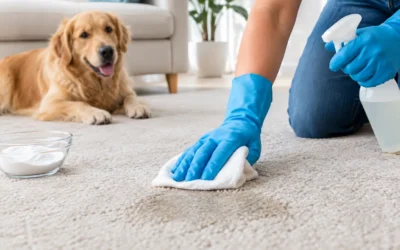
Deal with spills quickly by blotting rather than rubbing, then make sure the area dries. Put absorbent mats by external doors during wet weather and check behind large furniture, where cold walls and limited airflow can encourage condensation. Regular vacuuming also removes dust and organic debris that can feed mould if moisture is present.
For commercial premises, the same principles apply. Offices with wet entranceways, kitchen areas or poorly ventilated storage rooms should have a clear plan for dealing with leaks and damp carpets quickly. A prompt response is generally less disruptive and less expensive than replacing large areas of flooring later.
A clean carpet is only part of a healthy room
Carpet cleaning can be a valuable part of putting right a minor mould issue, but it works best as one part of the solution: stop the moisture, assess the carpet honestly, clean and dry suitable materials properly, and monitor the room afterwards.
If you are unsure whether a mould-affected carpet can be saved, seek professional advice before attempting repeated DIY treatments. A careful inspection and a clear explanation of the options can help you protect your home, avoid wasted expense and restore the room with confidence.