A pale carpet can look clean until a child spills juice, a dog comes in from a wet walk, or the afternoon sun reveals traffic marks across the room. When that happens, the choice between steam cleaning versus dry cleaning can feel more complicated than it needs to be. Both methods have their place, but they do different jobs – and the best option depends on the carpet, the level of soiling and how quickly you need the area back in use.
For homes and workplaces across Brighton and Hove, the right professional method should do more than improve the surface appearance. It should remove embedded dirt, help reduce allergens and odours, and leave the carpet cared for rather than simply damp or fragranced.
Steam cleaning versus dry cleaning: the key difference
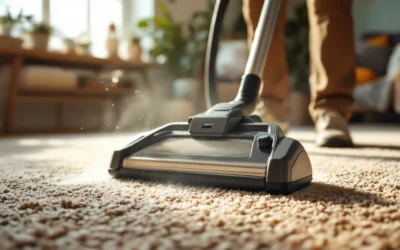
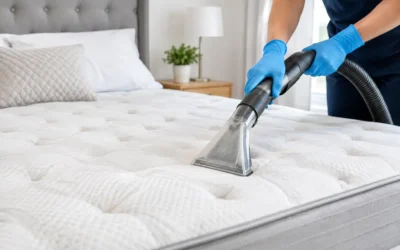
The main difference is the amount of moisture used. Steam cleaning, more accurately called hot water extraction, uses hot water and a suitable cleaning solution to loosen dirt from deep within carpet fibres. Powerful extraction equipment then removes the water, cleaning solution and dislodged grime.
Despite the name, dry cleaning is not always completely dry. Professional dry carpet methods generally use a low-moisture cleaning solution, absorbent compound or encapsulation product. These lift or surround soil so it can be removed through agitation and vacuuming, while using far less water than hot water extraction.
Neither approach is automatically better in every situation. A lightly soiled office carpet that needs to be walked on shortly after cleaning may suit a low-moisture process. A family carpet with muddy footprints, pet accidents, food spills and a build-up of dust is more likely to benefit from a deeper hot water extraction clean.
What steam cleaning can achieve
Hot water extraction is widely chosen for a reason: it is designed to flush out the soil that settles below the visible pile. Carpets act like filters, collecting dust, pollen, pet dander, skin flakes and particles carried in on shoes. Regular vacuuming is essential, but it cannot always reach sticky residues and ingrained dirt held around the base of the fibres.
A professional steam clean begins with an assessment. The technician checks the carpet type, construction, condition and stains before choosing the safest treatment. Areas with heavy footfall may be pre-treated, while particular spots such as tea, wine, grease or pet staining may need targeted stain removal first.
The carpet is then cleaned using controlled heat, solution and extraction. Good equipment removes a substantial amount of moisture as it works, which helps avoid overwetting. The result is often a noticeably fresher carpet with revived colour, less odour and a cleaner feel underfoot.
When hot water extraction is usually the better choice
Steam cleaning is particularly effective after a tenancy, before moving into a property, or when a carpet has not been professionally cleaned for some time. It is also a strong option for households with children, pets or allergy concerns, where hygiene matters as much as appearance.
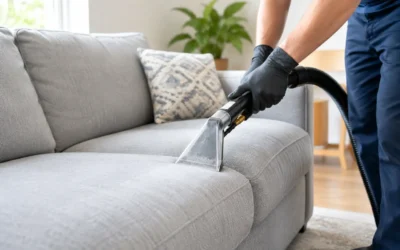
It can be suitable for many synthetic carpets and some rugs or upholstery, but the material must always be checked first. Wool, delicate natural fibres, loose-backed carpets and fabrics with unstable dyes require careful handling. The goal is never to use the strongest method by default; it is to use the safest method that delivers a proper clean.
The trade-off is drying time. Depending on the carpet, ventilation, room temperature, humidity and how heavily soiled it was, a steam-cleaned carpet may take several hours to dry. Opening windows where practical, keeping heating at a comfortable level and allowing air to circulate can help. It is best to avoid replacing heavy furniture or walking on the carpet in outdoor shoes until it is dry.
How dry carpet cleaning works
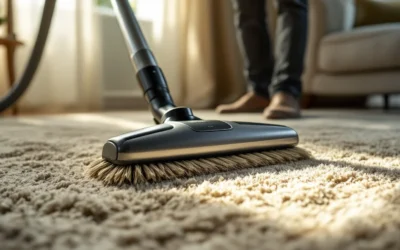
Low-moisture or dry carpet cleaning is designed for situations where rapid drying is the priority. An encapsulation solution, cleaning compound or other specialist product is worked into the carpet to separate soil from the fibres. The residue and dirt are then vacuumed away, often leaving the carpet ready for light use very quickly.
This can be useful in offices, communal areas, retail spaces and busy homes where closing off a room for much of the day is inconvenient. It may also be appropriate for routine maintenance between deeper cleans, especially where carpet is generally presentable but beginning to look flat in walkways.
Dry methods can give a clean, refreshed appearance and reduce surface soil effectively. However, they may not offer the same flushing action as hot water extraction on a heavily soiled carpet. If there is a lingering pet smell, old drink spill, sticky residue or deep grime from years of use, a low-moisture clean alone may not reach the source of the problem.
There is another point worth considering. A carpet can look better immediately after a dry clean but still hold embedded contaminants beneath the surface. That does not make dry cleaning the wrong choice – it simply means the method should match the condition of the carpet rather than the desire for the fastest possible drying time.
Drying time, convenience and everyday use
For most customers, drying time is the practical deciding factor. Dry carpet cleaning can often allow use within an hour or two, although this varies with the system and carpet type. Steam cleaning takes longer, but a well-executed professional clean should leave the carpet damp rather than saturated.
Commercial settings may favour low-moisture cleaning because it can be scheduled around work patterns and cause minimal disruption. An office with regular maintenance needs can benefit from quick turnaround, particularly in entrances, corridors and meeting rooms. Yet even commercial carpets need periodic deep cleaning to deal with the dirt that routine vacuuming and surface treatments leave behind.
At home, it is often easier to plan a steam clean around school hours, work commitments or a day when the room can be left clear. The extra drying time may be worthwhile when the carpet needs more than a visual refresh.
Stains, odours and hygiene: choosing by the problem
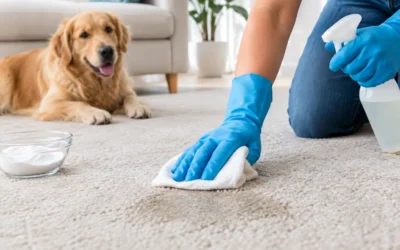
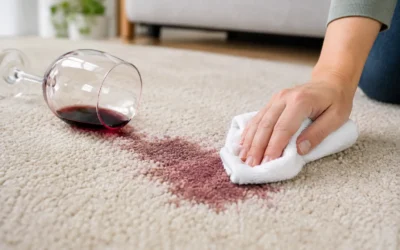
Fresh stains respond best when dealt with quickly, whichever cleaning method is eventually used. Blot spills with a clean white cloth, working from the outside towards the centre. Avoid rubbing, as this can spread the stain and damage the pile. Do not soak the area with shop-bought products, as residue can attract further dirt or make professional treatment more difficult.
For oily marks, food spills and tracked-in soil, steam cleaning is often the stronger choice because it can loosen residues and extract them from the fibres. For a lightly dulled carpet with no major staining, dry cleaning may provide the convenient refresh you need.
Pet accidents need particular care. The visible mark may be small, but urine can travel into the backing and sometimes the underlay. A deodorising product applied to the surface may mask the smell temporarily without treating the source. Professional assessment is worthwhile here, as the correct treatment depends on how far the contamination has travelled and the carpet material.
For allergy-conscious households, a deep clean can support a fresher indoor environment by removing built-up dust and dander from the carpet. It is not a substitute for regular vacuuming, ventilation and good everyday cleaning, but it is a useful part of looking after the places where families spend the most time.
Why carpet type matters more than the label
The phrase “steam cleaning” is often used broadly, but carpets should never be cleaned according to a one-size-fits-all rule. A durable polypropylene carpet may tolerate a very different process from a wool carpet, an oriental rug or upholstered dining chairs. Colour fastness, fibre type, backing and previous treatments all affect the safest approach.
This is why professional cleaning starts with inspection rather than a promise to use one method on every job. The wrong technique can cause shrinkage, colour bleed, browning or damage to delicate fibres. The right technique balances cleaning power with careful moisture control and suitable products, including child- and pet-safe solutions where appropriate.
At City Carpet Cleaning, that assessment is part of doing the job properly. With more than 15 years of experience, the focus is on selecting the method that gives your carpet the best chance of a clean, fresh result – not simply the quickest option.
A practical way to make the decision
If your priority is a deep clean after heavy use, stains, pets, a move or a long period without professional attention, hot water extraction is usually the more thorough choice. If the carpet is lightly soiled and needs to be back in service quickly, dry cleaning can be a sensible maintenance option.
If you are unsure, do not judge solely by how the carpet looks from the doorway. Think about the room’s use, the age of the marks, any odours, the fibre type and when it was last professionally cleaned. A quick conversation and a clear, no-obligation quote can help you choose a treatment that protects both your carpet and the people who use it.