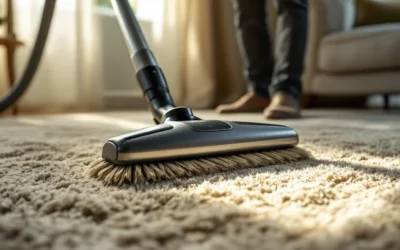
A rug can hold far more than everyday dust. It may be the soft landing place for children, the favourite spot for a pet, or a piece chosen carefully to bring warmth and colour to a room. Rug restoration is about more than making that surface look cleaner. Done properly, it can remove embedded soil, improve freshness and help protect fibres that might otherwise wear out long before their time.
Whether a rug needs attention after a spill, a pet accident, a house move or years of gradual dulling, the right approach depends on what it is made from, how it was constructed and what has happened to it. A quick clean is not always the safest answer, particularly for delicate, hand-finished or older rugs.
What does rug restoration involve?
Rug restoration is a tailored process that aims to improve a rug’s appearance, hygiene and condition without causing unnecessary damage. For many rugs, this means a thorough professional clean to lift dry soil, treat staining and remove odours trapped beneath the pile. In other cases, it may also involve careful attention to fringes, flattened areas, colour loss or damage caused by moisture and previous cleaning attempts.
The first step should always be an assessment. Wool, cotton, silk, viscose, jute and synthetic fibres all react differently to water, cleaning solutions and agitation. A machine-made polypropylene rug may respond very well to deep cleaning, while a delicate viscose rug can be easily marked or distorted if it is treated like a standard fitted carpet.
The backing matters too. Some rugs have latex, glued or bonded backings that can weaken when over-wet. Others are hand-knotted and have natural variations in colour and texture that need to be respected. Professional cleaning is not about using the strongest product available. It is about selecting a safe method that gets meaningful results while protecting the rug.
Signs your rug could benefit from restoration
A rug does not need to look visibly dirty before it needs professional attention. Fine grit settles deep into the pile and acts like sandpaper underfoot. Over time, this can make fibres look dull, feel rough and wear more quickly in walkways.
A change in colour is often one of the first signs. The rug may not have faded at all – it may simply be holding a layer of soil that ordinary vacuuming cannot remove. Persistent smells, especially from pets, cooking or damp conditions, are another reason to arrange an assessment. Surface sprays can mask an odour for a short time, but they rarely deal with the source.
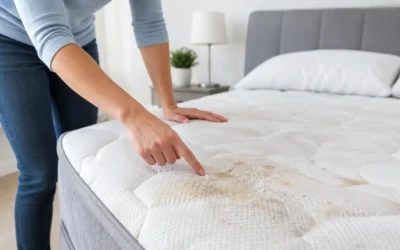
It is also sensible to act promptly after spills. Tea, coffee, red wine, muddy water and pet accidents can move deeper into the fibres if left untreated. The longer a stain remains, the more likely it is to bond with the material or leave a permanent colour change. Fast action improves the chance of a good result, although no responsible cleaner should guarantee that every old or chemically altered stain will disappear completely.
Why home cleaning can sometimes make matters worse
Hiring or buying a cleaning machine can be useful for some washable synthetic rugs, but it has limits. A rug may look cleaner immediately after a heavy wet clean, then develop browning, watermarking, a musty smell or shrinkage as it dries. This is particularly common where too much water has been used or the rug has been left without enough airflow.
Over-the-counter stain removers can create a different problem. Products that are too alkaline, bleaches or strong solvents may strip colour, damage the pile or leave a sticky residue that attracts more dirt. Scrubbing hard can fray fibres and spread a spill outwards, turning a small spot into a much larger mark.
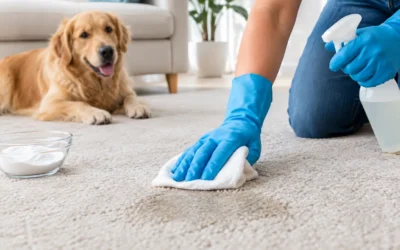
If something is spilled, blot it gently with a clean white cloth rather than rubbing it. Work from the outside of the affected area towards the centre and avoid soaking the rug. Keep pets and children away from the damp patch while you decide whether specialist treatment is needed. For valuable, antique, silk, viscose or hand-made rugs, it is usually best not to apply any cleaning product before advice has been given.
How professional rug restoration protects your home
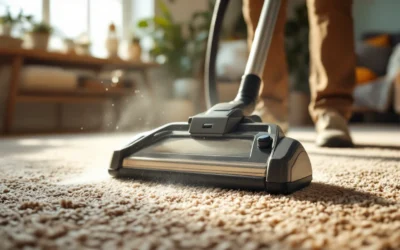
A proper deep clean starts with removing as much dry soil as possible. This stage is often overlooked, yet it makes a real difference. Dry particles are easier to remove before moisture is introduced, and reducing them first helps avoid turning fine dust into muddy residue within the pile.
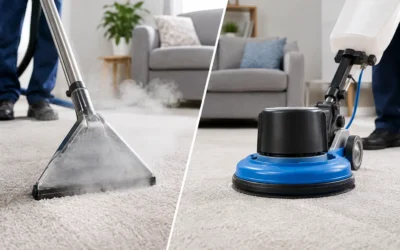
The cleaning method is then chosen for the individual rug. Depending on its fibres and condition, this may involve controlled low-moisture cleaning, hot water extraction at an appropriate setting, targeted stain treatment or specialised hand cleaning. Child- and pet-safe solutions can be used where suitable, helping households improve cleanliness without bringing unnecessarily harsh products into living areas.
Careful drying is equally important. A rug should not be left saturated, particularly in a poorly ventilated room. Efficient moisture removal and sensible drying conditions help prevent lingering damp smells and protect the backing. This is one reason professional equipment and experience matter as much as the cleaning solution itself.
For allergy-conscious households, restoration can also help reduce the build-up of dust, pet dander and other particles held in the fibres. It cannot make a home entirely allergen-free, but regular deep cleaning alongside routine vacuuming can make a noticeable difference to how fresh a room feels.
When cleaning is enough – and when repair is needed
Not every worn-looking rug needs to be replaced. Dirt, compressed pile and staining can make even a good-quality rug appear beyond saving when it is actually a strong candidate for cleaning. Once embedded soil is removed, the original pattern and colour can often become much clearer.
However, cleaning cannot repair every physical fault. Loose edges, holes, moth damage, broken fringe, severe sun fading and weakened backing may require specialist repair rather than cleaning alone. In some cases, attempting to clean a fragile rug before it has been stabilised can worsen the damage.
This is where an honest assessment is valuable. The right recommendation may be deep cleaning, repair by a dedicated textile restorer, or replacement if the rug is no longer structurally sound. A trustworthy service should explain the likely outcome clearly, including any risks, rather than promising a result that the material cannot realistically deliver.
Looking after a restored rug
Once your rug has been professionally cleaned, simple habits can help keep it in good condition. Vacuum it regularly using the appropriate setting for the pile, but take care around tassels and fringes. Rotate it every few months where practical, especially if sunlight or foot traffic affects one area more than another.
Use a suitable rug pad if the rug sits on a hard floor. This can reduce slipping, provide a little cushioning and limit friction between the rug and the surface beneath it. Deal with fresh spills promptly, and avoid placing heavy furniture legs on the same spot for years if this can be prevented.
Entrance rugs and rugs in dining rooms, hallways and pet areas will need attention more often than decorative pieces in low-traffic rooms. There is no single timetable that suits every home, but a professional clean every 12 to 18 months is a sensible starting point for many busy households. A rug exposed to children, pets, shoes or frequent spills may benefit from more regular care.
Local care for rugs that matter
For households in Brighton, Hove and surrounding East Sussex areas, professional rug cleaning can be a practical way to protect a favourite furnishing rather than replacing it prematurely. City Carpet Cleaning takes the time to assess the rug, its fibres and the issue at hand, using specialist equipment and proven techniques to achieve the best safe result possible.
If a rug has lost its freshness, is holding an odour or has been affected by a difficult stain, acting early gives it the best chance of recovery. A free, no-obligation quote can help you understand the suitable treatment before work begins, so you can make a confident decision about a rug that still has plenty of life left in it.