A sofa can look reasonably clean while holding far more than the eye can see. Everyday use leaves upholstery with dust, body oils, crumbs, pet hair, pollen and accidental spills, all of which work their way below the surface. Professional sofa cleaning tackles this hidden build-up, helping your furniture look fresher, smell better and remain a comfortable part of your home for longer.
For busy households in Brighton, Hove and across East Sussex, the sofa is often the most used seat in the house. Children climb on it, pets sleep on it and guests gather around it. Regular vacuuming helps, but it cannot remove the dirt and allergens that settle deep within the fibres or padding.
Why sofa cleaning is more than a cosmetic job
The visible marks are usually what prompt people to book a clean: a tea spill on an armrest, muddy paw prints, a dark patch where someone always sits, or a lingering smell after an accident. Those issues matter, but deep cleaning also addresses the less obvious residues that make upholstery feel tired.
Fabric traps airborne dust, pet dander and pollen. In homes with pets, young children or allergy sufferers, this can gradually affect how fresh a room feels. A professional clean removes a significant amount of embedded debris without the need to replace furniture that may still be structurally sound and perfectly worth keeping.
There is also the question of wear. Gritty soil particles can act like fine sandpaper when people sit and move on the upholstery. Left in place, they contribute to dull-looking fabric and premature wear in the areas used most often. Cleaning is therefore not simply about restoring appearance. It is sensible care for an item of furniture that may have cost a considerable amount.
When does a sofa need professional cleaning?
Most homes benefit from upholstery cleaning every 12 to 18 months. The right frequency depends on how the sofa is used. A lightly used sofa in a pet-free home may need less attention, while a family sofa used daily will usually benefit from an annual clean.
It is worth arranging a professional visit sooner if stains have appeared, there is a noticeable odour, the fabric feels sticky or flat, or the colour seems darker around the arms, headrests and seat cushions. Waiting is rarely helpful. Fresh spills are normally easier to treat before they dry, spread or become bonded into the fibres.
Tenants preparing for an inspection, landlords refreshing a property between occupants and homeowners getting ready to sell often find that clean upholstery changes the feel of a room immediately. It can make a well-loved sofa look cared for rather than worn out.
Stains need the right response
Not every stain should be treated in the same way. Rubbing a spill hard can push it deeper into the material and damage the pile. Applying an unsuitable shop-bought cleaner may leave a pale ring, sticky residue or water mark, particularly on delicate fabrics.
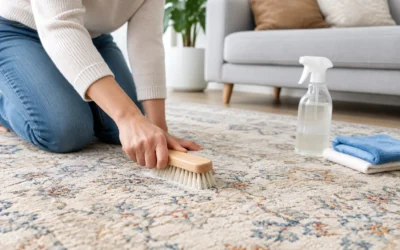
If a spill occurs, blot it gently with a clean, white absorbent cloth. Work from the outer edge towards the centre, avoid soaking the area and do not use harsh chemicals unless you know they are suitable for that specific fabric. Keep pets and children away while the area is drying.
Professional cleaners assess the upholstery before choosing a method and solution. This matters because a treatment suitable for a hard-wearing synthetic fabric may be unsuitable for cotton, wool, velvet, viscose or a mixed-fibre covering. Careful testing is part of doing the job properly.
What professional sofa cleaning involves
A thorough service begins with an inspection. The cleaner checks the fabric type, construction, colour fastness, level of soiling and any stains or areas of concern. This allows the cleaning process to be matched to the furniture, rather than treating every sofa in exactly the same way.
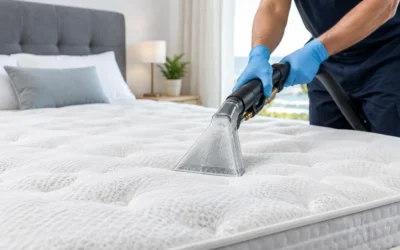
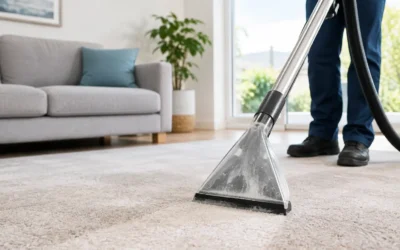
The upholstery is then prepared to loosen dry soil and remove surface debris. Targeted stain treatments can be applied where appropriate, followed by specialist deep cleaning equipment that lifts soil from the fabric while controlling moisture. The aim is to clean thoroughly without overwetting the sofa or leaving behind a residue that attracts dirt again.
Drying time varies. Fabric type, room temperature, ventilation and how heavily soiled the sofa was all play a part. In many cases, upholstery is touch-dry within several hours, though it is best to allow it to dry fully before putting cushions back into heavy use. Opening a window where practical and keeping the room comfortably warm can help.
At City Carpet Cleaning, the focus is on careful assessment, modern equipment and child- and pet-safe solutions selected for the job. A professional service should leave your home tidy, explain what can realistically be achieved and never promise that every old stain will disappear completely.
What results can you expect?
Good sofa cleaning can noticeably brighten dulled fabric, reduce odours and improve the overall feel of a room. It may also lift a range of common marks, including food and drink spills, muddy footprints, pet-related stains and everyday grime around high-contact areas.
However, honest expectations are essential. Some stains permanently alter a fabric’s dye, especially if they have been heat-treated, repeatedly scrubbed or left for a long time. Sun fading, bleach damage and worn fibres are not dirt, so cleaning cannot reverse them. A reputable cleaner will identify these limitations rather than overstate the likely result.
Even where a mark cannot be completely removed, deep cleaning can still make it far less noticeable by improving the condition and colour consistency of the surrounding upholstery. The wider result is often more impressive than focusing on one small area alone.
Keeping upholstery fresher between appointments
A few straightforward habits can extend the benefit of a professional clean. Vacuum the sofa weekly using an upholstery attachment, including under loose cushions and along seams where crumbs and hair collect. Rotate reversible cushions regularly so one seat does not take all the wear.
Try to deal with spills promptly by blotting rather than rubbing. Throws can be useful in homes with pets or small children, provided they are washed regularly. If your sofa sits in strong sunlight, closing blinds during the brightest part of the day can also reduce fading over time.
Avoid saturating upholstery with deodorising sprays. They may mask an odour temporarily, but they do not remove the cause and can leave residue in the fabric. If smells persist after normal airing and vacuuming, especially after pet accidents or a spill, a deep clean is usually the more effective option.
Choosing a sofa cleaning service with confidence
Price matters, but it should not be the only consideration. Ask whether the company is insured, whether they assess fabrics before cleaning and what approach they take to delicate materials. It is also sensible to check that the products used are appropriate for homes with children and pets.
Local experience is valuable too. A responsive cleaner who can inspect the problem, arrive when agreed and explain the process clearly makes a difficult stain or tired-looking sofa much less stressful. For urgent spills, early advice can prevent a small accident from becoming a long-term mark.
Your sofa is there for everyday living, so it will never stay pristine forever. Giving it professional care before dirt and stains become deeply established is a practical way to protect the comfort, appearance and hygiene of the home you enjoy every day.