A red wine mark found beneath a rug, a coffee spill that has slowly turned brown, or a pet accident that keeps returning can make a carpet feel beyond saving. But can old stains be removed? Often, yes – although the result depends on what caused the stain, the fibre involved and what has already been tried.
Old does not always mean permanent. Many stains that have been sitting for weeks, months or even longer can be significantly reduced or fully removed with the right treatment. The key is identifying the stain correctly and treating it without damaging the carpet, upholstery or rug underneath.
Can Old Stains Be Removed From Carpet?
A stain becomes harder to remove over time because it dries, settles into the fibres and may react with the carpet backing or dye. Heat from radiators, sunlight, foot traffic and repeated home cleaning attempts can make the problem more stubborn. Some substances, such as tea, coffee, wine, curry, ink and pet urine, can also leave behind colour or odour after the original spill has dried.
That said, a professional clean can still make a major difference. Specialist cleaning equipment lifts embedded soil and residues that ordinary vacuuming cannot reach, while stain treatments are chosen for the particular substance and carpet type. The aim is not to use the strongest possible chemical. It is to use the safest effective method, giving the stain the best chance of lifting while protecting the fibres and colour.
No reputable cleaner should promise that every old mark will disappear completely before assessing it. Some stains permanently alter the dye in the carpet, while others cause bleaching or fibre damage rather than leaving a removable deposit. Even then, careful deep cleaning can often improve the appearance, remove unpleasant odours and leave the area fresher and more hygienic.
What Makes an Old Stain Difficult to Remove?
The age of a stain is only one part of the picture. A recent spill that has been rubbed in with the wrong product can be more difficult than an older mark that was left untouched. The material matters too. Synthetic carpets often respond differently from wool, viscose, silk or natural-fibre rugs, all of which need a more cautious approach.
The type of stain is equally important. Water-based spills, including many drinks and muddy marks, may respond well to targeted cleaning. Oil and grease need products that break down oily residues. Protein stains such as milk, blood, vomit and pet accidents require a different treatment again. Using a general household spray on every mark can set the stain, spread it or leave sticky residue that attracts more dirt.
Previous cleaning attempts are worth mentioning when arranging a professional visit. Bleach, washing-up liquid, supermarket spot removers and steam cleaners can affect the result. This is not about blaming anyone for trying to solve a spill quickly. It simply helps the cleaner select an appropriate treatment and manage expectations honestly.
Why Some Stains Seem to Come Back
A stain that reappears after cleaning is frustrating, but it does not necessarily mean the carpet was not cleaned properly. In many cases, a spill has soaked through the pile and into the backing. As the carpet dries, remaining residue can travel back up the fibres. This is known as wicking.
Pet urine can behave in a similar way. Surface cleaning may improve the visible mark, but odour-causing residues below the surface can remain, particularly if the accident was not noticed straight away. A thorough treatment needs to address the affected area rather than simply freshening the top of the carpet.
Sometimes the returning mark is actually rapid resoiling. A product left in the carpet can feel clean at first, then attract dust and dirt from shoes, paws and everyday use. Rinsing and extraction are essential parts of a proper clean, especially in hallways, living rooms and other busy areas.
What to Do Before a Professional Clean
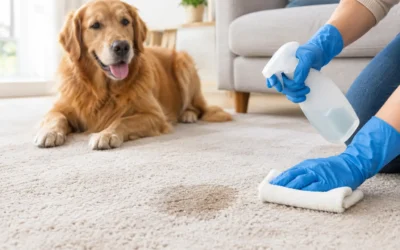
If the stain is still damp, blot it gently with a clean white cloth or plain kitchen roll. Work from the outside towards the centre, changing to a clean section as moisture transfers. Avoid rubbing, as this can push the spill deeper and roughen the fibres.
For an old, dry mark, it is usually best not to add more products before an assessment. Water can spread certain stains, and heat can make others more difficult to treat. Vacuuming the surrounding area is helpful, but avoid aggressive brushing or scrubbing.
If you know what caused the stain, make a note of it. A quick photograph taken when the spill happened can also be useful, particularly for red wine, make-up, paint or pet accidents. Details such as whether the carpet is wool, whether the area has been treated before and how long the mark has been present all help shape the cleaning plan.
When DIY Cleaning Is Worth Trying – and When It Is Not
For a very fresh, small spill on a washable synthetic carpet, prompt blotting and a suitable carpet-safe product may be enough. Always test any product on an inconspicuous area first, and follow the label carefully. More solution does not mean better cleaning.
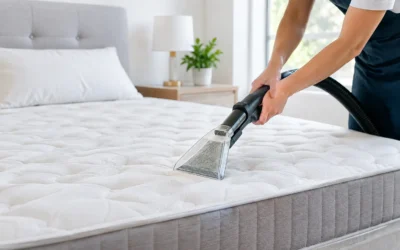
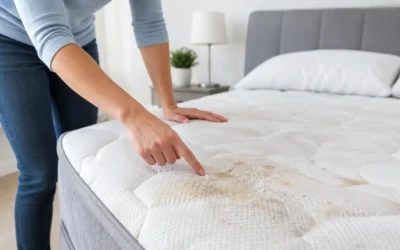
DIY treatment is less advisable when the carpet is wool or delicate, the stain is large, the source is unknown, or there is a persistent smell. It is also sensible to seek help for stains on expensive rugs, upholstery, mattresses or carpets in rented properties where excessive scrubbing could create more damage than the original spill.
Avoid mixing cleaning products. Combining products can produce fumes, discolour fibres or leave difficult residues behind. Bleach should never be used on carpets or upholstery unless a manufacturer specifically confirms it is safe, which is uncommon. Home steam cleaners also need caution, as too much heat or moisture can affect backing, shrink certain fibres or set particular stains.
How Professional Stain Removal Works
Professional stain removal starts with inspection, not a one-size-fits-all cleaning solution. The cleaner checks the fibre type, construction, condition, stain location and likely cause. This is especially useful on older carpets, where general wear can make marks appear more pronounced.
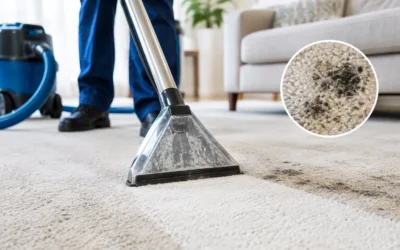
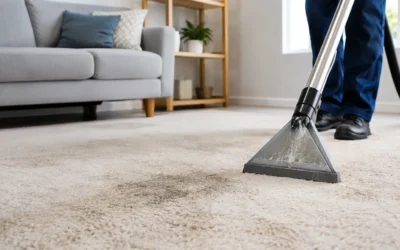
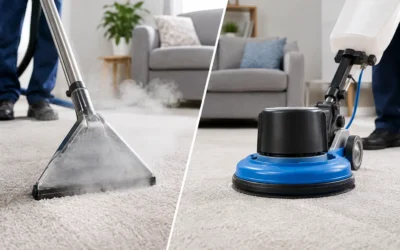
The area may be treated with a specialist solution designed for the stain type, then carefully agitated where appropriate. Professional extraction equipment removes loosened soil, treatment residue and moisture from deep within the pile. On difficult stains, more than one treatment may be needed, with drying time between stages.
The best method depends on the item being cleaned. A fitted carpet in a busy family home may benefit from hot water extraction, while a delicate rug or upholstery fabric might need a lower-moisture or more controlled approach. Professional cleaners should explain the method in clear terms and be open about any risks, such as pre-existing wear, fading or damaged fibres.
For homes with children and pets, it is worth asking about the products used. Child- and pet-safe solutions, applied correctly and followed by thorough extraction, can help restore the space without leaving harsh residues behind.
Old Stains, Odours and a Healthier Home
Visible marks are often what prompt a booking, but old spills can affect more than appearance. Food, drink and pet residues can contribute to unpleasant smells, while carpets also hold everyday dust, pet dander and allergens. A professional deep clean cannot turn a worn carpet into a new one, but it can remove a substantial build-up that vacuuming alone leaves behind.
This is particularly valuable in bedrooms, living areas and rental properties between tenancies. Clean, fresh carpets make a room feel more cared for, and regular professional cleaning may help extend the useful life of the flooring by removing abrasive grit that wears down fibres over time.
For commercial premises, old stains can also affect how customers and staff view the space. Treating a stained entrance, meeting room or office carpet early can be more economical than waiting until the carpet needs replacement.
A Realistic Approach Gets Better Results
The most successful stain removal work combines quick action, sensible expectations and the correct cleaning method. An old mark may disappear completely, fade dramatically or prove to be permanent colour loss. What matters is receiving an honest assessment and treatment that protects the item as well as improving it.
If an old stain is bothering you, it is worth having it looked at before deciding the carpet or upholstery needs replacing. City Carpet Cleaning provides careful, fully insured deep cleaning for homes and businesses across Brighton, Hove and surrounding East Sussex areas, with practical advice and a free, no-obligation quote. A timely professional assessment can often turn a frustrating mark into a problem you barely notice.