A flooded carpet can look manageable at first: a damp patch by the patio door, a burst pipe beneath the sink, or water tracking in after heavy rain. But flood damaged carpet recovery is time-sensitive. Water travels beneath the surface, soaks into underlay and subfloors, and can create the conditions for odours, mould and lasting damage long before the top of the carpet feels dry.
The right response depends on where the water came from, how long it has been there and which materials have been affected. Acting calmly and promptly gives your carpet the best chance of being restored safely.
Start with safety, not the carpet
Before moving furniture or reaching for towels, make the area safe. If water is near electrical sockets, extension leads or appliances, avoid touching them and switch off the electricity only if it is safe to do so. Keep children and pets away from the affected room, especially where the source of the water is unknown.
Clean water from a recently burst supply pipe is very different from water that has entered from outside or backed up from a drain. Water from sewage, toilets, overflowing drains or a river flood may contain harmful bacteria and contaminants. In those cases, do not attempt to clean or reuse the carpet yourself. Avoid contact, ventilate the property where possible and arrange professional assessment.
If the water has come from a leak, stop the source first. Turn off the stopcock if necessary, then contact a plumber. There is little value in extracting water from a carpet while more is still entering the room.
The first few hours make a real difference
Once the source is controlled and the room is safe to enter, remove lightweight furniture, mats and any loose belongings from the wet area. Place protective pads or foil beneath furniture legs that cannot be moved, provided it is safe to do so. Wet timber furniture can stain carpet, while metal feet may rust.
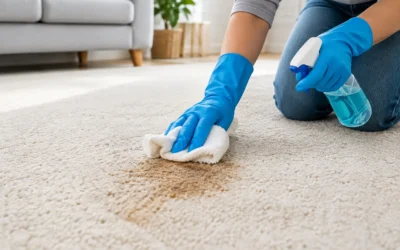
Blot small areas with clean, absorbent towels rather than rubbing them. For larger areas, a wet vacuum can remove surface water, but a domestic vacuum cleaner must never be used on wet carpet. Open windows if outdoor conditions are dry and use fans to improve air movement. A dehumidifier can also help draw moisture from the air.
These steps can reduce the immediate impact, but they do not guarantee that the carpet, backing or underlay is dry. A carpet may feel dry underfoot while moisture remains trapped beneath it. This is one reason musty smells often appear days later, when homeowners believe the problem has passed.
When can a flood-damaged carpet be saved?
A professional assessment considers more than the visible wet patch. The key questions are the water category, the time since the incident, the type of carpet and underlay, and whether the moisture has reached the subfloor, skirting boards or adjoining rooms.
Carpets affected by clean water can often be recovered when action is taken quickly. Synthetic carpets, such as polypropylene, are generally more water-resistant than wool, although the underlay may still require replacement. A fitted carpet may need to be lifted so moisture can be extracted thoroughly from both the carpet and the floor beneath.
Wool carpets require particular care. They are durable and naturally resilient, but prolonged saturation can cause shrinkage, colour loss or distortion. Aggressive drying or unsuitable cleaning products can make matters worse. A careful, controlled approach is essential.
The underlay is often the deciding factor. Standard foam underlay absorbs a great deal of water and can be difficult to dry fully and hygienically. In many cases, replacing it is the more reliable option, even where the carpet itself can be cleaned and restored. This helps avoid stale odours and contamination being sealed back into the floor.
Where water is contaminated, or where a carpet has remained wet for more than a day or two, disposal may be the safest recommendation. It is disappointing, but no responsible cleaner should promise recovery where it could leave a household or workplace with an ongoing hygiene risk.
What professional flood damaged carpet recovery involves
A proper restoration visit begins with identifying the source and likely category of water. This determines whether recovery is appropriate and what protective measures are needed. The affected area should then be checked for moisture beneath the carpet and around the edges of the room, not simply where the water is most obvious.
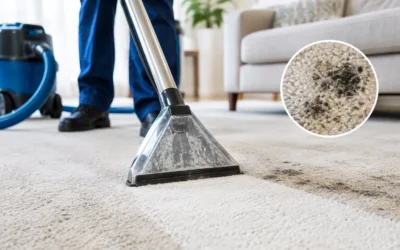
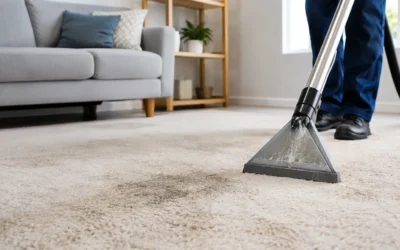
For suitable clean-water incidents, specialist extraction equipment removes far more water than towels or household machines can manage. Depending on the extent of the flooding, the carpet may be lifted, treated where needed, and dried with targeted air movement and dehumidification. The aim is to dry the carpet, underlay or subfloor as appropriate, rather than merely improving its appearance.
Once the materials are dry, professional deep cleaning can remove soil that has been drawn up by the water, along with the dull marks and odours that often remain. Cleaning solutions should be chosen for the fibre type and used responsibly, particularly in homes with children, pets or allergy concerns.
At City Carpet Cleaning, the focus is on a clear, honest assessment before work begins. With more than 15 years of experience in carpet restoration and deep cleaning across Brighton, Hove and the surrounding area, we know that fast action matters, but so does knowing when replacement is the safer choice.
Avoid the shortcuts that cause bigger problems
It is understandable to want the room back to normal quickly. However, a few common responses can turn a recoverable carpet into a more expensive problem.
Do not shampoo a carpet that is still saturated. Adding more water before extracting the existing moisture can slow drying and push contamination deeper into the backing. Similarly, avoid turning up the central heating to an extreme level. Steady airflow and controlled drying are more effective than intense heat, which may damage fibres or cause a wool carpet to shrink.
Scented sprays may mask a damp smell briefly, but they do not remove the source. If a musty odour returns, it usually means moisture or contamination remains below the surface. Steam cleaning is not a cure for floodwater either. It may be useful as part of an appropriate professional treatment, but it cannot make a contaminated carpet safe.
It is also wise not to refit a carpet too soon. Replacing furniture and closing up a room before the floor is dry can trap moisture and create an ideal environment for mould growth. A little patience at this stage can protect the carpet, the subfloor and the air quality in your home.
Protecting your home or business after the water is gone
Keep an eye on the room during the following days. Look for darkening around skirting boards, rippling in the carpet, a lingering damp smell or signs of mould. Check nearby cupboards and the edges of adjoining rooms too, as water can travel beneath thresholds and along walls.
For landlords and tenants, take clear photographs before moving items or arranging restoration. If you need to make an insurance claim, records of the source of the water, the affected rooms and any emergency work can be useful. Your insurer may also have specific instructions about approved contractors or disposal of damaged materials.
In commercial premises, early action helps minimise disruption as well as damage. Wet carpets in offices, shops and shared spaces can create slip risks and affect staff and visitors. Isolating the area, arranging professional extraction and documenting the incident can make reopening safer and more straightforward.
When to call for urgent help
Professional help is strongly recommended where water covers a large area, has soaked through to the underlay, has been present overnight, or has come from outside, drains or sewage. It is also sensible to call if you notice mould, a persistent odour, carpet lifting or rippling, or if a child, pet or vulnerable person could be exposed to contaminated flooring.
For a small clean-water spill caught immediately, careful drying may be enough. For anything more substantial, the cost of an early assessment is often far less than replacing carpet, underlay and damaged flooring later. The most helpful next step is simple: keep the area safe, avoid covering the problem, and get experienced advice before hidden moisture has time to settle in.