A mattress can look perfectly clean while holding more than you would expect. Every night, it collects shed skin cells, body oils, sweat, dust, pet hair and, in some homes, traces of food or drink. Good mattress hygiene is not about chasing perfection. It is about reducing the build-up that can leave a bed smelling stale, aggravate allergies and make the bedroom feel less fresh.
For households in Brighton, Hove and across East Sussex, damp coastal air can make this more noticeable. A room that is poorly ventilated, a mattress used by children or pets, or a bed that has had a spill can all need a little more care. A few regular habits make a real difference, while a professional deep clean can be the right answer when ordinary cleaning is no longer enough.
Why mattress hygiene deserves attention
We spend roughly a third of our lives in bed, yet mattresses are often cleaned far less often than bedding. Sheets and pillowcases act as a first barrier, but they cannot stop everything reaching the mattress surface over time. Dust mites feed on the skin cells we naturally shed, while their waste particles can be troublesome for people with allergies, asthma or sensitive skin.
Moisture is another concern. Perspiration, small spills and humidity can leave a mattress feeling clammy and create the conditions for odours to develop. This does not mean every mattress needs frequent intensive treatment. It does mean that a neglected mattress can gradually become harder to freshen with simple home methods.
A cleaner bed can support a more comfortable sleeping environment, particularly for families with children, pet owners and anyone who wakes with a stuffy nose or irritated eyes. It also helps preserve the mattress itself. Oils, dirt and moisture can contribute to discolouration and shorten the life of the fabric and fillings.
Start with the layers you can wash
The most effective routine begins with bedding. Wash sheets, pillowcases and duvet covers regularly, usually once a week for most households. If someone is unwell, sweats heavily at night, has allergies, or shares the bed with a pet, washing them more often may be sensible.
Follow the care labels and use the warmest wash suitable for the fabric. Dry everything thoroughly before making the bed again. Putting slightly damp bedding back onto a mattress can trap moisture where you least want it.
A washable mattress protector is one of the simplest investments in mattress hygiene. It provides an extra layer against sweat, accidents and everyday soil, and is much easier to clean than the mattress beneath. A waterproof protector can be especially useful for young children, but choose one that is breathable so the bed does not feel hot or crinkly.
Give the mattress air and attention
When you strip the bed, leave the mattress uncovered for a short while if conditions allow. Open a window, particularly after a damp night, and let fresh air circulate through the room. There is no need to leave it exposed for hours in cold or humid weather, but regular ventilation helps reduce trapped odours.
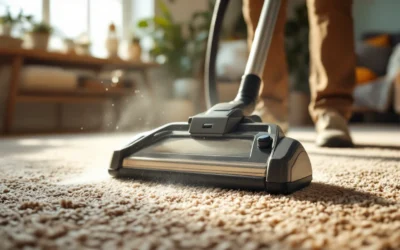
Vacuum the mattress surface using a clean upholstery attachment. Work slowly across the top and sides, paying attention to seams, tufts and edges where dust and hair collect. This is useful every few months, or more often if there are pets in the home. Avoid using a brush attachment that could pull or damage delicate mattress fabric.
Turning or rotating the mattress can also help, but only if the manufacturer recommends it. Many modern mattresses are designed to be rotated rather than flipped, while some should not be turned at all. Check the label or manufacturer guidance rather than assuming a traditional routine applies.
Keep the bed base clean too
A fresh mattress on a dusty bed base will not stay fresh for long. Vacuum the frame, divan edges and underneath the bed when you clean the mattress. For upholstered headboards, a gentle vacuum can remove surface dust, while any marks should be treated cautiously according to the fabric care guidance.
If the bed sits close to an external wall, leave a little space for air to move behind it. This is particularly worthwhile in rooms prone to condensation. Preventing damp is always easier than trying to remove the musty smell it can leave behind.
Treat spills promptly, but do not soak the mattress
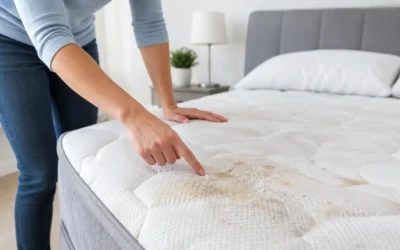
Spills need quick, calm action. Remove bedding immediately and blot the affected area with a clean, dry white cloth or paper towel. Press rather than rub, as rubbing pushes liquid deeper into the fibres and can spread the stain.
Use as little moisture as possible. A lightly damp cloth and a small amount of suitable upholstery cleaner may help with some marks, but always test an inconspicuous area first and follow the mattress manufacturer’s instructions. Strong chemicals, bleach and heavily perfumed sprays can damage fabrics, leave residue or make a sensitive person’s symptoms worse.
The key is drying. Use clean towels to absorb moisture, keep the room ventilated and do not remake the bed until the area is fully dry. A hairdryer on high heat is not ideal, as excessive heat can affect certain materials. If a large amount of liquid has reached the mattress, or an accident has soaked into the filling, professional cleaning is often the safer option.
Be careful with DIY deodorising methods
Bicarbonate of soda is often suggested for mattress odours. A light application, left for a short time and then thoroughly vacuumed, may help lift a mild surface smell. However, it is not a cure for deep contamination, urine, mould or a persistent odour coming from within the mattress.
It can also be difficult to remove completely, especially from deep quilting. If too much powder remains, it may create dust when the bed is used. Essential oils and heavily scented products are another mixed choice. They can mask a smell temporarily, but they do not remove its cause and may irritate children, pets or people with allergies.
For a mattress with an ongoing smell, visible staining or a history of pet or child accidents, it is better to identify the source than cover it up. The right cleaning approach depends on the material, the age of the stain and how deeply it has travelled into the mattress.
When professional mattress cleaning is worthwhile
A professional clean is useful when a mattress needs more than surface vacuuming. This might include a mattress in a rental property between tenancies, a guest bed that has been stored for a long period, a family mattress affected by accidents, or a bed used by someone with allergies.
Specialist equipment is designed to lift embedded dirt and contaminants while controlling the amount of moisture used. The aim is not simply to make a mattress smell pleasant for a day. It is to clean it carefully, leave it fresh and support a healthier sleeping environment without over-wetting the fillings.
At City Carpet Cleaning, mattresses are assessed before treatment so the method suits the fabric, the staining and the condition of the bed. Child- and pet-safe cleaning solutions are used where appropriate, with clear advice on drying times and when the mattress can be used again. This is particularly reassuring where the mattress is expensive, heavily soiled or needed urgently.
A realistic routine for a fresher bed
For most homes, wash bedding weekly, air the room daily where possible and vacuum the mattress every few months. Add a protector, deal with spills straightaway and arrange a deeper clean when the mattress has an odour, stains or has been through a particularly messy period.
The exact schedule depends on your household. A spare-room mattress may need very little attention, while a child’s bed, a pet-friendly home or a household managing allergies may benefit from a closer routine. The goal is simple: keep the place you sleep clean, dry and comfortable enough to properly rest in.