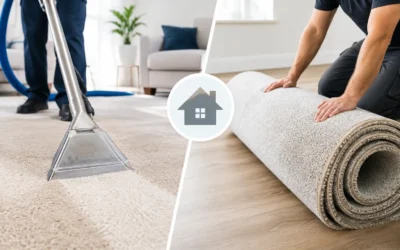
A rented machine may make a carpet look better for an afternoon, but that is not always the same as getting it properly clean. The choice between professional versus DIY cleaning often comes down to the type of soiling, the condition of the fibres and how much is at stake if a stain or damp patch gets worse. For light upkeep, doing it yourself can be sensible. For odours, stubborn marks, allergy concerns or tired-looking carpets, specialist cleaning usually offers better value.
Professional versus DIY cleaning: the real difference
DIY cleaning is mainly about maintenance. Regular vacuuming, prompt blotting and occasional spot treatment help prevent dirt settling deeply into carpet fibres. This everyday care matters, especially in busy family homes, homes with pets and commercial spaces with regular footfall.
Professional cleaning is designed to tackle what routine cleaning leaves behind. Fine grit, dried spills, oils, dust mites, pet dander and residues can work their way down through the pile over time. A carpet can appear reasonably clean on the surface while holding a surprising amount of soil beneath it.
The difference is not simply about having a more powerful machine. It is about choosing the correct method for the carpet, using the right solution at the right dilution, treating stains individually and removing as much moisture and cleaning residue as possible. Done properly, deep cleaning can refresh the appearance of a room, improve hygiene and help carpets last longer.
What DIY cleaning does well
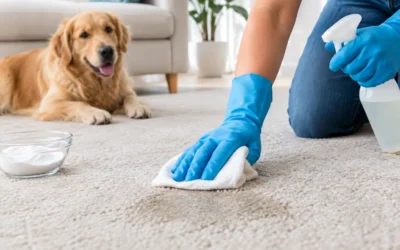
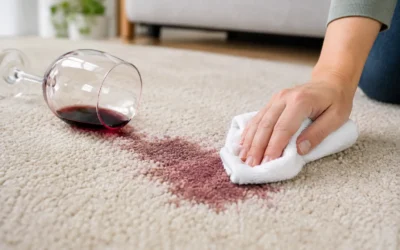
There is no need to call in a professional for every small mark. Quick action after a spill is often the best defence against staining. Blotting with a clean white cloth, working from the outside of the mark towards the centre and avoiding excessive water can stop many fresh spills becoming permanent.
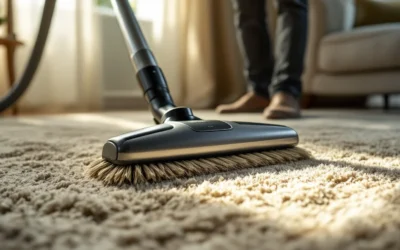
Vacuuming regularly is equally worthwhile. It removes loose dust, hair and abrasive particles that can gradually wear away carpet fibres. Hallways, stairs, living rooms and entrances usually need more attention than spare rooms because they collect more grit from shoes and paws.
DIY cleaning can also be useful for a minor, isolated stain if you know what caused it and have a product suitable for the fabric. Always test a small hidden area first. What works on one carpet may affect another, particularly wool, delicate rugs, upholstery or materials with unstable dyes.
For tenants preparing for an inspection, homeowners freshening a room between professional appointments or office managers dealing with a small fresh spill, these simple measures are practical and cost-effective. The key is to keep expectations realistic. A household spray or hired machine is unlikely to provide the same soil removal, drying control or stain treatment as a professional deep clean.
Where DIY cleaning can cause problems
The most common mistake is applying too much product. When shampoo or spot cleaner is left in the carpet, it can attract dirt after the area dries. The result is a patch that looks clean at first but becomes grubby again quickly. Over-wetting can be just as troublesome, particularly if the carpet backing, underlay or floor beneath remains damp.
Stains are not all the same
Tea, red wine, coffee, ink, make-up, pet accidents and oily food spills each respond differently. Scrubbing is tempting, but it can push the stain deeper, spread it out or damage the pile. Heat can set certain protein-based stains, while the wrong chemical can bleach colour or leave a ring around the treated area.
Pet accidents deserve particular care. The visible mark is only one part of the issue. If odour-causing residue reaches the backing or underlay, surface cleaning may mask the smell briefly without resolving it. Professional treatment can address both staining and odour more thoroughly, using methods suited to the affected material.
Hired machines have limits
A rental machine can be useful, but it is not automatically a low-cost solution. You need to collect it, buy the correct cleaning products, allow time for preparation and drying, then return it. The machine may also lack the extraction strength needed to remove deep soil and moisture effectively.
This matters in a household with children or pets, where damp carpets can be inconvenient and rooms need to be back in use promptly. It also matters in an office, where lengthy drying times can disrupt staff, customers and normal operations.
What professional cleaning changes
A professional cleaner begins by assessing the carpet or upholstery rather than applying one approach to every job. Fibre type, construction, age, stain type and previous cleaning attempts all affect the safest and most effective treatment. Wool carpets, for example, require a different approach from many synthetic carpets.
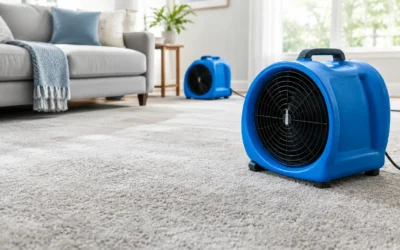
Specialist equipment provides stronger agitation, controlled application and more effective extraction than most domestic machines. This helps lift embedded soil while leaving less moisture behind. Faster drying is not just convenient. It reduces the risk of lingering dampness and lets you get back to using the room sooner.
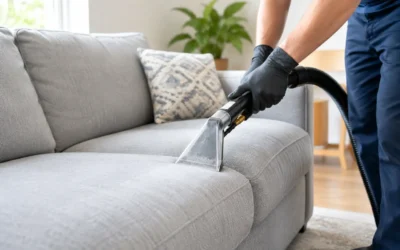
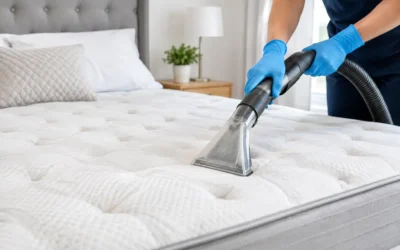
Professional cleaning also gives individual stains proper attention. A technician can pre-treat problem areas, work on traffic lanes, tackle odours and use techniques appropriate to rugs, mattresses and upholstered furniture. The aim is not to promise that every old stain will disappear completely – some marks permanently alter fibres or dyes – but to achieve the best safe result possible.
At City Carpet Cleaning, this is supported by more than 15 years of experience, fully insured work and child- and pet-safe cleaning solutions. That combination is particularly reassuring when a carpet has been affected by muddy paws, a toddler’s spill or an unexpected household accident.
Is professional cleaning worth the cost?
The fairest answer is that it depends on the job. If you are dealing with a small fresh stain on an otherwise clean carpet, DIY care may be all that is needed. If a carpet has not been deep cleaned for several years, has visible traffic marks, smells stale or is affected by repeated spills, professional cleaning can be a practical investment.
It helps to compare the full cost rather than just the price of a cleaning appointment. A DIY attempt may involve machine hire, cleaning solution, stain removers, transport, your own time and the risk of needing professional help afterwards. If the wrong product causes colour loss or the carpet is left wet, the cost can increase further.
There is also the question of carpet lifespan. Grit and soil act like fine sandpaper underfoot, gradually wearing fibres down. Regular professional cleaning cannot reverse wear that has already occurred, but it can remove the abrasive soil that contributes to it. For landlords, this can help maintain the presentation of a property between tenancies. For homeowners, it can delay the expense and disruption of replacement.
When to choose DIY and when to book a professional
DIY cleaning makes sense for regular vacuuming, fresh spill response and small maintenance tasks. Keep the products simple, use them sparingly and follow the manufacturer’s instructions for your carpet or upholstery.
Professional cleaning is usually the better choice when stains are old, large or unknown; when there are pet odours; when carpets look dull across the whole room; or when allergy sufferers, babies or pets spend a lot of time on the floor. It is also a sensible option before moving in, after building work, before putting a property on the market or when an office needs to look clean and presentable without unnecessary downtime.
For commercial premises, appearance and hygiene are closely linked. A clean entrance, meeting room or communal area gives visitors confidence and creates a more pleasant environment for staff. Scheduling professional cleaning around business hours can also be more efficient than asking employees to manage the work with unsuitable equipment.
A cleaner result starts with the right decision
There is nothing wrong with looking after your own carpets between deep cleans. In fact, regular home care protects the result of professional work. The best approach is usually a combination: deal with fresh spills carefully, vacuum consistently and arrange a proper deep clean when dirt, odour or staining has gone beyond surface treatment.
If you are unsure whether a carpet can be improved, a free, no-obligation assessment can give you a clear answer before you spend money on products or machine hire. A knowledgeable local cleaner will explain what is achievable, treat your home or business with care and help you make a decision that suits the condition of your carpets rather than a one-size-fits-all solution.