A freshly cleaned carpet should feel clean, smell fresh and look revived – not leave you wondering when you can use the room again. So, how long does carpet take to dry? For most professionally cleaned carpets, allow around 4 to 8 hours. In some cases, especially with thick pile, poor ventilation or damp weather, drying can take up to 24 hours.
The good news is that a carpet should not be left soaking after a professional clean. The right equipment removes most of the cleaning solution and loosened soil during the process, leaving the fibres damp rather than saturated. A few simple steps at home can make a real difference to how quickly the remaining moisture dries.
How Long Does Carpet Take to Dry in Real Homes?
There is no single drying time that applies to every property in Brighton and Hove. A low-pile synthetic carpet in a warm, well-ventilated room may be dry in four hours. A deep, wool carpet in a cooler room, cleaned on a wet day, may need overnight before it is completely dry.
As a practical guide, it is usually safe to walk carefully on a freshly cleaned carpet after a few hours if necessary, provided you wear clean socks or clean-soled footwear. However, it is best to avoid replacing furniture, letting pets lie on the carpet or allowing children to play on it until it has dried fully. This helps prevent marks, flattened pile and fresh dirt being transferred back onto the fibres.
For office carpets and commercial premises, drying time needs a little more planning. Cleaning can often be arranged around quieter periods so that carpets have time to dry before staff, customers or visitors return. Good extraction and air movement are particularly valuable in busy areas such as entrances, corridors and meeting rooms.
What Affects Carpet Drying Time?
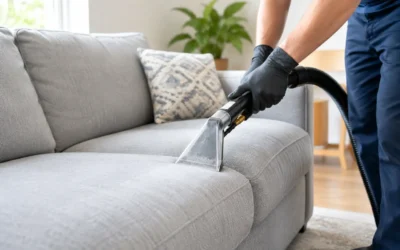
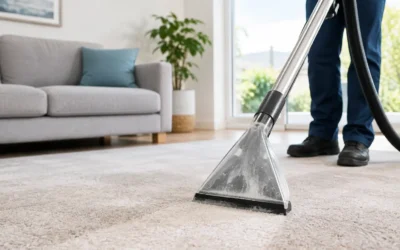
The cleaning method matters, but drying time is also shaped by the carpet itself and the conditions in the room. Professional hot water extraction, often called steam cleaning, gives a deep clean by flushing out embedded soil, allergens, pet dander and residues before extracting the moisture back out. It can leave carpets damp for several hours, but it is an effective option for carpets that need more than a surface refresh.
A number of factors can make drying faster or slower:
- Carpet material and thickness: Dense wool, long pile and heavily backed carpets naturally retain more moisture than a short-pile synthetic carpet.
- How soiled the carpet was: Heavily soiled areas may need additional treatment and rinsing to remove dirt properly, which can add to drying time.
- Ventilation: Open windows, where weather permits, and good airflow help moisture escape from the room.
- Indoor temperature and humidity: Warm, dry air speeds up evaporation. Cold or humid conditions slow it down.
- Furniture and room layout: Areas beneath large furniture receive less airflow and may dry more slowly.
It is tempting to expect a fixed time, but proper cleaning should never be rushed simply to promise a quicker dry. The better approach is to use the right amount of solution for the carpet, extract thoroughly and give clear aftercare advice based on the conditions in your home or workplace.
How to Help Your Carpet Dry Faster
Once cleaning is complete, airflow is your best friend. If it is dry outside, open windows on opposite sides of the property where possible to encourage a through-draught. If the weather is wet, cold or very humid, keep windows closed and use your central heating gently instead. A comfortable room temperature is more helpful than turning the heating up excessively.
Ceiling fans, portable fans and an air conditioning setting can also speed up drying by moving air across the carpet surface. A dehumidifier is particularly useful in enclosed rooms or during damp East Sussex weather, as it removes moisture from the air rather than simply circulating it.
Try to keep the room as clear as possible. Do not put rugs, floor mats or plastic-backed items back on the carpet while it is damp, as they trap moisture and can cause uneven drying. Leave lightweight furniture off the carpet until it is dry. If larger items have to be moved back sooner, protective tabs or blocks beneath furniture legs can prevent wood stain, rust or dye from transferring to damp fibres.
Avoid walking across the carpet repeatedly while it is drying. If you need to cross the room, use a clean route and avoid outdoor shoes. Dirt from pavements, gardens and pet paws can quickly dull a freshly cleaned carpet, especially while the pile is still damp.
Can You Sleep in a Room With Damp Carpet?
In most cases, yes, provided the carpet is only lightly damp after cleaning and the room is ventilated. Professionally cleaned carpet should not leave standing water or a strong chemical smell. Child- and pet-safe cleaning solutions, used correctly and extracted thoroughly, are designed to leave a fresh and hygienic result.
That said, if you or someone in the household has allergies, asthma or particular sensitivity to damp conditions, it can be more comfortable to use another room until the carpet is dry. The same applies to a nursery or a room where a baby will be spending time on the floor. A fan or dehumidifier can help bring drying time down without compromising the quality of the clean.
Why a Carpet Can Still Feel Damp the Next Day
A carpet that feels slightly cool or damp the following morning does not automatically mean something has gone wrong. Thick underlay, shaded rooms and humid air can all slow the final stage of drying. Check the carpet in several areas, including the centre of the room and near skirting boards, rather than judging it only by a high-traffic path.
If the carpet is still noticeably wet after 24 hours, improve ventilation and air movement first. Do not cover it with furniture or rugs. If there is a musty smell, visible dampness or concern about water remaining beneath the carpet, contact the cleaning company promptly for advice. A professional cleaner should be able to assess whether the issue is simply slow drying or whether the carpet and underlay need further attention.
This is also why hiring specialist equipment and an experienced cleaner matters. Domestic rental machines can be useful for light maintenance, but they may not have the extraction power needed to remove deep soil and moisture effectively. Over-wetting can leave carpets drying slowly and may affect delicate fibres, backing or underlay.
Planning Carpet Cleaning Around Your Day
For most households, a morning appointment is the easiest option. It gives the carpet the rest of the day to dry with windows, heating or fans managed as needed. By evening, many carpets are dry enough for normal use, although bedrooms and thick-pile areas may still be best left until the next morning.
If you are preparing for a tenancy handover, welcoming guests or dealing with a spill, allow extra time where you can. A professional deep clean is an investment in the appearance, hygiene and lifespan of your flooring, particularly in homes with children, pets or allergy concerns. Giving the carpet proper drying time protects that result.
At City Carpet Cleaning, we use specialist equipment and proven techniques to achieve a thorough clean without unnecessary over-wetting. We will also explain what to expect from your particular carpet and room conditions, so you can plan with confidence. A little airflow and patience after cleaning will help your carpet dry beautifully and keep that freshly cleaned feeling for longer.