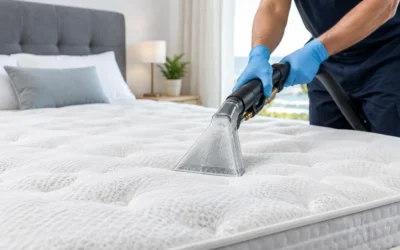
A mattress can look clean, smell fresh and still hold the allergens that make nights uncomfortable. Mattress cleaning for dust mites is less about chasing something you cannot see and more about reducing the build-up of mite waste, skin flakes and dust that settles where you sleep every night.
For families in Brighton, Hove and the wider East Sussex area, this can matter particularly when someone wakes with a blocked nose, itchy eyes, coughing or aggravated asthma. Dust mites themselves are a normal part of household dust, but their droppings are a common indoor allergen. A sensible cleaning routine, combined with periodic professional treatment where needed, can make the bedroom feel fresher and help reduce the allergen load.
Why dust mites collect in mattresses
Dust mites feed mainly on the tiny flakes of skin people naturally shed. A mattress gives them plenty of this food source, alongside warmth and moisture from body heat and perspiration. Pillows, duvets, upholstered headboards and carpets beside the bed can hold similar debris, but the mattress is exposed for hours at a time.
This does not mean a home is unclean. Even carefully kept bedrooms accumulate dust over time. The issue is that ordinary vacuuming of the mattress surface may remove loose particles, but it does not always reach deeply embedded dust, allergens and grime within the fabric and padding.
People with allergies may notice the effects more clearly in the morning, after spending a long period close to the mattress. Symptoms have several possible causes, so persistent breathing problems should always be discussed with a healthcare professional. Still, improving bedroom hygiene is a practical step that is well worth taking.
What mattress cleaning for dust mites can achieve
The realistic aim is reduction, not permanent elimination. Dust mites can return as dust and skin cells continue to enter the bed, which is why one clean is most effective as part of ongoing care.
A thorough mattress clean can remove accumulated surface dirt, dust, skin flakes and a proportion of the allergen-containing material held in the mattress. It can also lift light marks, reduce stale odours and improve the overall feel of the bed. For a mattress affected by pet dander, heavy use, a spill or a long period without cleaning, the visible and hygienic difference can be significant.
It is worth being cautious about claims that any single product will completely eradicate mites. Sprays may have a role in some circumstances, but they do not replace washing bedding, controlling humidity or physically removing the dust and debris that mites feed on. Harsh chemicals are also not ideal on a surface you sleep on, especially in homes with children, pets or sensitive skin.
The routine that makes the biggest difference
Regular bed care is more effective than waiting until the mattress looks dirty. Start with bedding, because sheets and pillowcases are the layer closest to your skin. Wash them weekly at the highest temperature permitted by the care label. Where fabrics allow, a hot wash of 60°C is commonly used to deal with dust mites in washable bedding.
Dry bedding fully before putting it back on the bed. Damp sheets or a damp mattress protector can create the humid conditions mites prefer. A washable mattress protector is useful because it provides an extra barrier and is far easier to clean regularly than the mattress itself.
Vacuum the mattress surface slowly when changing the bed, paying attention to seams, piping and the edges. Use a clean upholstery attachment and avoid pressing so hard that you damage delicate fabrics. Then leave the mattress uncovered for a short time to air before remaking the bed. Opening a window where practical and keeping the bedroom well ventilated can help manage moisture.
There are a few habits that can quietly add to the problem. Eating in bed increases the chance of crumbs and spills. Letting laundry pile up in the bedroom adds textile dust. A very warm, poorly ventilated room can retain more humidity. None of these needs an extreme response, but small changes repeated weekly are useful.
When home cleaning is not enough
Home care is ideal for maintenance, but it has limits. If a mattress is older, used by someone with allergies, has had an accident, smells musty or has not been cleaned for years, it may benefit from a professional deep clean.
A professional service uses specialist equipment and appropriate cleaning methods to treat the fabric more thoroughly than a standard household vacuum. The right method depends on the mattress material, its condition and the type of soiling. Too much moisture can be a problem, particularly with thick mattresses, because they must dry properly before use. Equally, aggressive scrubbing or unsuitable products can damage fibres, leave residue or push moisture further inside.
This is why an assessment matters. A good cleaner will consider the mattress construction, stains, odours and ventilation available in the room before selecting a treatment. Child- and pet-safe solutions should be used where appropriate, and drying advice should be clear. The goal is a clean, refreshed mattress without creating a new problem through over-wetting.
At City Carpet Cleaning, professional mattress cleaning is approached with the same care as upholstery and carpet work: suitable equipment, safe products and a focus on leaving the item hygienic, fresh and ready to use once fully dry.
Do steam cleaners kill dust mites?
High heat can kill dust mites, but using a domestic steam cleaner on a mattress is not always the straightforward answer it appears to be. The steam must reach an effective temperature at the relevant surface, and the mattress must not be left overly damp. In a poorly ventilated room, retained moisture can lead to unpleasant odours or, in worse cases, mould growth.
Steam may suit certain mattresses and situations, but it is not appropriate for every fabric, filling or warranty condition. Check the manufacturer’s care instructions first. If you are uncertain, professional advice is safer than testing a high-heat treatment on an expensive mattress.
Avoid these common mistakes
Bicarbonate of soda is often suggested online for mattresses. It may help absorb a light odour when used carefully and vacuumed thoroughly, but it is not a reliable dust-mite treatment. Fine powder can also be difficult to remove from deep within the mattress, particularly with a low-powered vacuum.
Another mistake is soaking a stain with water or heavily perfumed cleaning products. Apart from the risk of dampness, fragrance can mask rather than remove an odour. Treat fresh spills promptly by blotting, not rubbing, then allow the area to dry completely. For urine, vomit, blood or a widespread stain, prompt specialist cleaning is generally the better option.
Finally, do not forget the rest of the bed. A freshly cleaned mattress will have less lasting benefit if the duvet, pillows, topper and protector are never washed or replaced when they reach the end of their useful life.
How often should a mattress be professionally cleaned?
For many households, professional mattress cleaning every six to twelve months is a sensible benchmark. The shorter end of that range may suit allergy-prone households, homes with pets that share the bed, young children, or mattresses that receive heavy daily use.
For a guest bed used only occasionally, less frequent cleaning may be enough, provided it is aired, protected and kept dust-free. There is no one schedule for every home. The clearest signs are worsening allergies around bedtime, lingering odours, visible staining, or simply the knowledge that the mattress has not had a proper clean in a long time.
A clean mattress is not about making a bedroom clinically perfect. It is about giving the place where you rest the same practical attention you would give carpets, upholstery and bedding. Keep up the weekly basics, address spills quickly, and arrange a careful deep clean when the mattress needs more than surface care.