A pet accident can turn from a small patch on the carpet into a lingering smell surprisingly quickly. To remove pet urine from carpet properly, the aim is not simply to make the surface look clean. You need to deal with the urine beneath the pile too, before it dries into the backing, underlay or floor below.
Fresh accidents are usually much easier to treat than old ones, but prompt action still needs to be gentle. Scrubbing, soaking the area or using the wrong cleaner can spread the stain, damage fibres and leave behind the residue that causes odours to return.
Why pet urine is difficult to remove from carpet
Pet urine contains water, pigments and salts, along with uric acid crystals. Once the liquid dries, those crystals can remain in the carpet even if the visible mark has faded. Humidity, warm weather or damp conditions can reactivate the smell, which is why an apparently clean carpet may suddenly start to smell again.
Dogs and cats also tend to revisit areas they can still detect. Their sense of smell is far more sensitive than ours, so a carpet that seems fresh to you may still encourage repeat accidents. Removing both the visible staining and the source of the odour is therefore essential.
The extent of the problem depends on the carpet material, how quickly the accident was found and whether it has reached the underlay. A small fresh patch on a synthetic carpet may respond well to careful home treatment. Repeated accidents, pale wool carpets and strong odours usually need more thorough attention.
What to do straight away
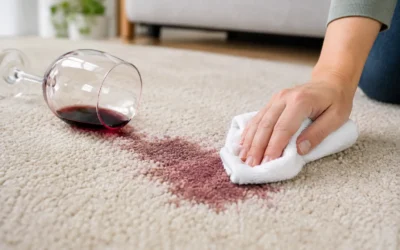
Start by blotting, not rubbing. Place clean white towels or kitchen roll over the wet area and press firmly to draw up as much moisture as possible. Stand on the towels if necessary, replacing them when they become damp. Avoid coloured cloths, as dye can transfer to light carpet.
Once you have absorbed the excess liquid, use a pet-specific enzyme cleaner that is suitable for your carpet type. Enzyme products are designed to break down the organic residue left by urine rather than merely cover the smell with fragrance. Follow the product instructions carefully, particularly the contact time, as the cleaner needs time to work.
Before applying any product widely, test it in an inconspicuous area. This is particularly important with wool, silk, natural-fibre rugs and older carpets, which can be more sensitive to moisture and cleaning solutions. Do not overwet the carpet. Enough solution must reach the affected fibres, but flooding can push the urine further down or leave the backing slow to dry.
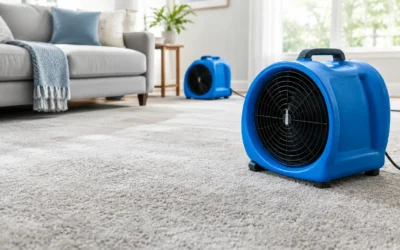
Allow the area to air dry fully. Opening windows and improving airflow will help, but keep pets and children away until the carpet is dry and the cleaner has been safely absorbed or removed as directed.
Avoid heat and harsh household remedies
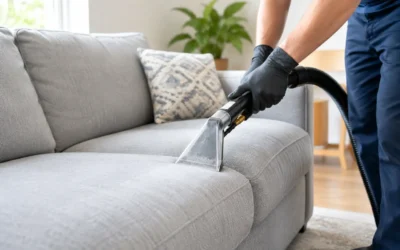
Heat can set protein-based staining and may make odours more persistent. For that reason, avoid steam cleaning a urine patch before the source has been treated. A hired machine can also leave the carpet too wet if it is not used correctly, creating a risk of musty smells or damage beneath the surface.
Bleach, ammonia and strongly perfumed products are poor choices. Bleach can discolour carpet fibres, while ammonia has a smell that may resemble urine to some pets. Heavy fragrance may temporarily mask the problem but does not remove the crystals causing it. Mixing cleaning products is never safe and can produce harmful fumes.
How to remove old pet urine carpet stains
Old accidents often reveal themselves through smell rather than a clear mark. Check around furniture, doorways, pet beds and the edges of rooms, as these are common repeat locations. A UV torch can sometimes help identify dried urine residue, although it is not a perfect test and can also highlight other materials.
Vacuum the carpet first to remove dry soil, then treat one affected area at a time with an appropriate enzyme solution. Old staining may need more than one treatment because the residue can be deep in the pile. Resist the temptation to add several products in quick succession. Different chemicals can interfere with each other, and over-wetting remains a concern.
If a stain has changed the carpet colour, odour removal and stain removal may not be the same job. Urine can permanently alter dyes in some carpets, especially if it was left for a long time. Professional cleaning can often improve the appearance considerably, but an honest assessment is better than promising that every older mark will disappear completely.
When home cleaning is not enough
It is sensible to call a professional carpet cleaner if the odour returns after treatment, the accident has soaked through to the underlay, or your pet has repeatedly used the same area. This is also the safer option for wool carpets, valuable rugs, heavily soiled rooms and tenancy or end-of-tenancy cleaning where the condition of the carpet matters.
A professional treatment begins with assessing the carpet fibre, the affected area and the likely depth of contamination. Specialist urine treatments can target the source of the odour, followed by controlled deep cleaning and extraction to remove loosened residue. The right equipment removes more moisture than a domestic machine, helping the carpet dry properly afterwards.
In severe cases, the underlay or subfloor may also need attention. No surface clean can fully solve an odour that has travelled beyond the carpet backing. This is particularly relevant where a pet has had frequent accidents in one place or where urine has been left unnoticed for some time.
City Carpet Cleaning uses specialist equipment and child- and pet-safe cleaning solutions to treat difficult carpet odours and staining with care. A clear assessment before work begins helps set realistic expectations, especially where an old stain may have affected the carpet dye or backing.
Protecting your carpet after an accident
Once the carpet is clean, reduce the chances of the same issue happening again. Keep litter trays clean and easy to reach, take dogs out regularly and speak to a vet if a normally house-trained pet begins having accidents. Sudden changes can sometimes point to stress, ageing or an underlying health concern.
Thoroughly clean the original spot so that your pet is not drawn back by a remaining scent. Moving a water bowl, bed or piece of furniture can also help break a repeated pattern while your pet adjusts. Where appropriate, use washable mats in high-risk areas to protect the carpet while training is ongoing.
Regular vacuuming and periodic professional deep cleaning help remove hair, dander, dust and everyday soil that can hold onto odours. They also keep carpet fibres in better condition, making spots and spills easier to deal with quickly. For busy family homes, this is often a practical part of maintaining a fresher and healthier indoor space.
A quick checklist for pet accidents
For a fresh accident, blot up moisture, apply a suitable enzyme cleaner after testing it, allow the carpet to dry fully and monitor the area over the following days. If the smell persists, avoid adding more household remedies and arrange a professional assessment instead.
Acting early gives you the best chance of protecting both the appearance of the carpet and the comfort of your home. If an odour keeps returning, it is usually a sign that the residue is deeper than it looks – and treating the source properly is kinder to your carpet, your household and your pet.