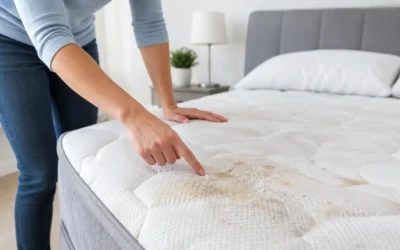
A small damp patch can become a much bigger problem by the next morning. Pet urine often travels below the visible carpet fibres, soaking into the backing, underlay and sometimes the floor beneath. That is why treating pet urine stains promptly and thoroughly matters – not only for the appearance of your carpet, but also for the smell, hygiene and comfort of your home.
For families with dogs or cats, accidents happen. The right response can make a real difference, but aggressive scrubbing or the wrong cleaning product may set the stain, spread it further or leave a scent that encourages your pet to return to the same place.
Why pet urine is difficult to remove
Pet urine is more than a surface mark. It contains moisture, salts and organic compounds that can remain in carpet fibres after the visible wetness has gone. As the area dries, the liquid can crystallise. Humidity, central heating or a wet day can reactivate the remaining residue and bring the odour back.
Cats’ urine can be particularly pungent, while repeated accidents from any pet can soak deeply into the carpet construction. A carpet may look clean after a quick treatment but still smell unpleasant, especially when the room is warm. In some cases, the odour is more noticeable to your pet than it is to you, which can make repeat marking more likely.
The outcome also depends on the carpet. Synthetic carpets are generally more forgiving than wool, while delicate rugs, natural fibres and older carpets need a more cautious approach. Bleach, strong alkaline cleaners and heavily scented sprays can cause colour loss or damage fibres, and they rarely deal with the source of the odour.
Treating pet urine stains while they are fresh
Speed is helpful, but do not panic and start rubbing. The aim is to lift as much liquid as possible without pushing it deeper into the carpet.
First, place clean white towels or kitchen roll over the affected area and press down firmly. Stand on the towels if necessary, changing them as they become wet. Avoid coloured cloths, as dyes can transfer to a pale carpet. Continue until the towels are only slightly damp.
Once you have absorbed the excess, use a pet-safe enzymatic urine cleaner suitable for your carpet type. These products are designed to break down organic residue rather than simply perfume the area. Follow the instructions carefully, including the recommended contact time. Applying too little product may only treat the top of the pile, while over-wetting can allow moisture to spread into the backing.
After treatment, blot again and allow the area to dry naturally with good ventilation. Keep children and pets away until it is fully dry. If possible, place a clean dry towel over the spot and weigh it down for a short time to draw up remaining moisture.
Do not use heat to dry the area quickly
A hairdryer, radiator or steam cleaner may seem like a sensible shortcut, but heat can make things worse. High temperatures can set protein-based residues and make odours harder to remove. Domestic steam cleaners may also force moisture deeper into the carpet and underlay.
Similarly, avoid ammonia-based cleaners. Urine contains ammonia compounds, and the smell can be confusing or attractive to some pets. A product that smells strongly of perfume may mask the problem temporarily without actually removing it.
How to deal with an older urine stain
Old stains are often harder because they have already dried and may have been cleaned unsuccessfully before. You might notice a yellowish or darker patch, a stiff texture, or an odour that appears and disappears. Even if there is no visible stain, the carpet can still contain urine residue below the surface.
Begin by lightly dampening the area with clean water rather than soaking it. This can help loosen dried residue before applying an appropriate enzyme cleaner. Give the product enough time to work, then blot thoroughly. It may take more than one careful treatment, particularly where a pet has used the same area repeatedly.
Be realistic about what can be achieved at home. If the stain has been there for weeks or months, has gone through to the underlay, or covers a larger area than expected, household products may not be enough. Over-applying cleaning solutions can leave the carpet too wet and create a separate problem with lingering dampness.
When professional treatment is the better option
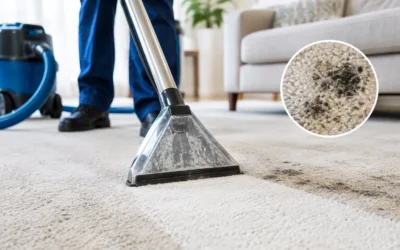
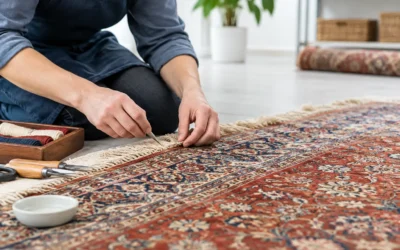
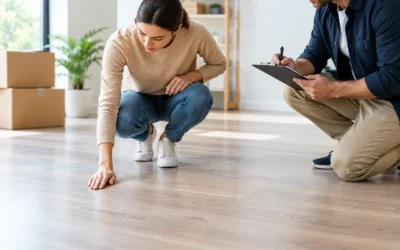
Professional carpet cleaning is especially worthwhile when there is a persistent odour, multiple accidents, a valuable rug, a wool carpet or evidence that the urine has reached the underlay. It is also a practical choice for landlords and tenants preparing for a check-out inspection, or for households where allergies and indoor hygiene are a concern.
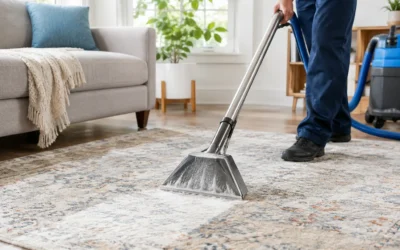
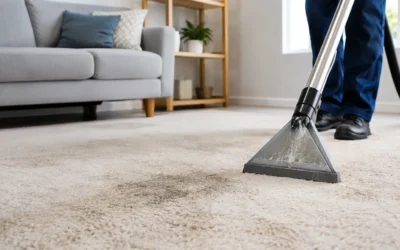
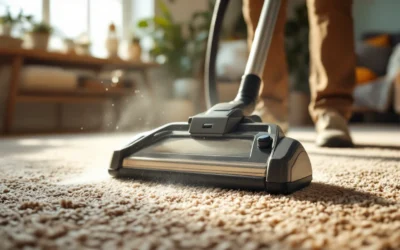
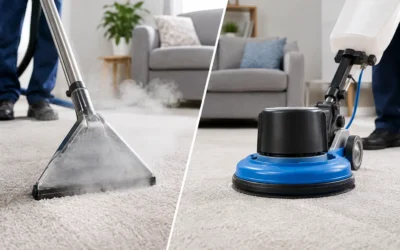
A professional cleaner can assess the affected area, the carpet fibre and the likely depth of contamination before choosing a suitable treatment. Specialist equipment helps remove embedded soil and moisture more effectively than blotting alone, while professional-grade odour treatments target the residue causing the smell.
There is a limit to what any cleaning method can restore. If urine has repeatedly soaked through a carpet into damaged underlay or wooden flooring, replacement of the underlay or more extensive restoration may be necessary. An honest assessment is always better than promising a quick fix that will not last.
At City Carpet Cleaning, we use modern cleaning methods and child- and pet-safe solutions chosen for the material and condition of the carpet. The goal is not to cover the odour, but to clean the affected area properly and leave your room fresher, more hygienic and ready to enjoy again.
Protecting your carpet after an accident
Once the carpet is clean and dry, it helps to reduce the chance of repeat incidents. Take your pet outside regularly, keep litter trays clean and accessible, and look for changes in behaviour. A normally reliable pet that suddenly starts urinating indoors may be stressed, unsettled or unwell, so it is sensible to speak to a vet if the behaviour continues.
For young pets, older animals or those adjusting to a new home, washable mats in accident-prone areas can protect your carpet while routines are established. If an accident does happen, deal with it as soon as you notice it rather than waiting until your usual cleaning day.
It is also worth avoiding repeated use of heavily fragranced sprays. A genuinely clean carpet should smell fresh and neutral, not heavily perfumed. If an odour returns after the carpet dries, that is a sign the residue may still be present beneath the surface.
A cleaner result is usually a safer result
Treating a pet urine stain carefully protects more than the look of your flooring. Removing the moisture and organic residue properly can help reduce unpleasant smells and keep the room more comfortable for everyone who uses it. When a stain or odour will not shift, early professional attention is often kinder to your carpet than another round of harsh DIY cleaning.