A stained carpet is one of the first things noticed at a final inspection, and it can quickly become the focus of a deposit dispute. This move out flooring checklist helps tenants, landlords and homeowners deal with carpets, hard floors and entrance areas properly before keys are handed over. The aim is not to make an older floor look brand new. It is to leave it clean, hygienic and in the condition reasonably expected for its age and use.
Start Your Move Out Flooring Checklist Early
Do not leave the floors until the morning of the move. Once furniture has gone, marks hidden beneath beds, sofas and rugs often become obvious, while removal traffic can create fresh dirt at the last minute.
Ideally, assess every room one to two weeks before your move-out date. Take clear, well-lit photographs of the flooring, particularly existing wear, faded areas and damage noted when you moved in. Check your inventory and tenancy agreement too. Some agreements ask for professional carpet cleaning where pets have lived in the property, but a landlord cannot simply charge for a betterment or demand an unnecessary service without a fair basis.
A practical check at this stage gives you time to decide what can be cleaned at home and what needs specialist attention. It also avoids hiring a machine in a rush, only to find the carpet is still damp when the agent arrives.
Check Each Type of Flooring Separately
Different surfaces need different treatment. Using too much water on laminate, aggressive products on wood or a hired machine on a delicate rug can cause more trouble than the original mark.
Carpets and rugs
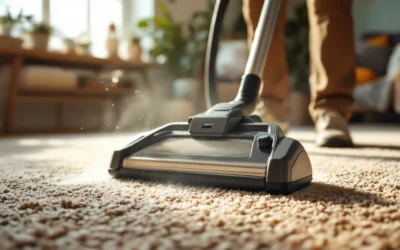
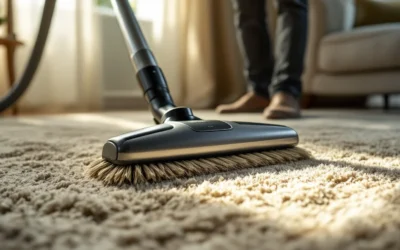
Vacuum slowly and thoroughly, including edges, corners, stairs and beneath removable furniture. A quick pass over the middle of a room will not remove embedded grit, pet hair or crumbs, all of which can make carpets appear dull even when there are no visible stains.
Then inspect the carpet from more than one angle. Look for spills, dark traffic lanes, pet accidents, make-up marks, candle wax, chewing gum and furniture indentations. Pay close attention to hallways, lounge doorways, bedrooms and the area around dining tables. These are the places most likely to draw comments at check-out.
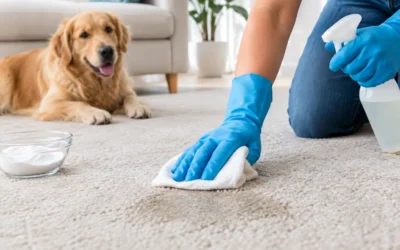
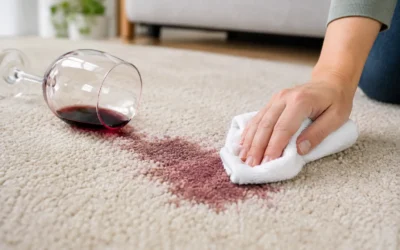
Treat stains carefully rather than scrubbing hard. Blot liquid spills with a clean white cloth, working from the outside towards the centre. Avoid soaking the backing, and always test any cleaning product in an inconspicuous area first. Bleach, washing-up liquid and strongly scented supermarket sprays may alter the carpet colour or leave residue that attracts more soil.
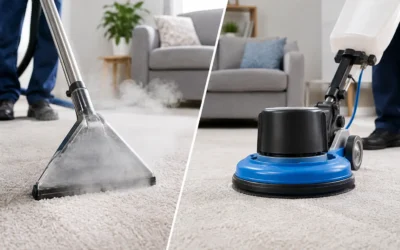
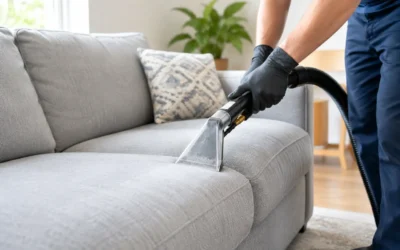
Deep cleaning is often worthwhile where carpets are heavily used, where children or pets have lived in the home, or where there is a noticeable odour. Professional equipment can lift settled dirt and allergens more effectively than routine vacuuming, while leaving the carpet with an appropriate level of moisture. This matters at the end of a tenancy, when a clean-looking carpet must also feel and smell fresh.
Rugs deserve the same attention, but their fibres and dyes vary widely. A wool, viscose or hand-finished rug can be damaged by unsuitable wet cleaning, so do not assume it can be treated like a synthetic fitted carpet.
Vinyl, laminate and tiled floors
Start by vacuuming or sweeping, including under appliances where accessible. Small stones, grit and hair can be missed by a mop and may scratch a hard surface when moved around.
For vinyl and laminate, use a well-wrung mop rather than a soaking wet one. Standing water can get into joins and lift edges, particularly on older laminate. Remove sticky spots with a suitable neutral cleaner and a soft cloth. Avoid abrasive pads, steam mops unless the manufacturer permits them, and oily products that leave a slippery film.
Tile and grout often need more than a quick mop. Check around the toilet, bath, kitchen units and entrances for discolouration or greasy residue. Use the correct cleaner for the tile type, rinse away residue and dry the surface afterwards. If grout is stained permanently or tiles are cracked, record this honestly rather than trying to cover it up.
Wood and engineered wood
Wood floors benefit from a light touch. Dust and vacuum using a hard-floor setting, then use a cleaner made for sealed wood and only a small amount of moisture. Excess water can cause swelling, dull patches or separation between boards.
Scuffs from chairs and furniture may lift with a soft microfibre cloth, but deep scratches, worn sealant and water marks are maintenance issues that may need a landlord’s approval or a floor-restoration specialist. Do not apply polish to disguise damage without checking the floor finish first. The wrong product can make later repairs more difficult.
Deal With Odours, Not Just Visible Dirt
A room can look clean and still feel unready to hand back if there is a smell of pets, smoke, damp or stale food. Air freshener is not a solution. It simply sits on top of the cause and may be obvious during a viewing or inspection.
For pet areas, first identify whether the odour is coming from the carpet pile, underlay or a repeated accident near a skirting board. Surface products may not reach contamination below the fibres. Likewise, a musty smell in a bedroom may point to poor ventilation, damp or a spill that was never fully dried. Report any suspected damp issue promptly, especially if it was present before you moved in.
Professional carpet cleaning can be particularly helpful for persistent odours, pet dander and deeply embedded soil. City Carpet Cleaning uses specialist methods and child- and pet-safe solutions to refresh carpets without relying on heavy perfumes, helping homes feel cleaner for the next occupant.
Do Not Forget the Edges and Transition Areas
Final inspections are detailed because empty rooms expose everything. The overlooked areas are often the ones that make an otherwise clean property appear rushed.
Check skirting boards beside carpets, thresholds between rooms, radiator corners, cupboard floors, stair edges and the strip behind doors. Vacuum along carpet edges with the appropriate attachment and wipe hard-floor trims carefully. Remove temporary carpet protectors, adhesive residue and any Blu Tack or paint splashes caused during your tenancy.
Entrance mats should be shaken or vacuumed, and communal hallway flooring should be protected during removals where possible. If rain is forecast, keep old towels or mats near the door to reduce muddy footprints. A final vacuum after the removal van has left is usually time well spent.
Know the Difference Between Cleaning and Damage
This distinction matters for both tenants and landlords. Fair wear and tear is the gradual deterioration that comes from ordinary use over time. Flattened carpet pile in a busy hallway, slight fading near a sunny window or light marks on an older floor may fall into this category, depending on the property’s condition at the start of the tenancy and how long it has been occupied.
Damage is different. Burn marks, large untreated stains, broken laminate, pet scratches beyond normal wear and bleach spots may require repair or replacement. Even then, any charge should reflect the item’s age, quality and remaining lifespan rather than the cost of a completely new floor.
Tenants should not attempt a risky repair simply to avoid a conversation. Keep photographs, receipts for any cleaning and written confirmation of work carried out. Landlords benefit from the same clear records, including dated check-in and check-out photographs. A fair, evidence-based discussion is far more likely to resolve concerns quickly.
The Day-Before Flooring Check
Once the property is empty and the main clean is complete, walk through every room in daylight. Open curtains, stand at the doorway and look across the surface rather than straight down. This reveals uneven marks, missed lint and traffic lanes much more clearly.
Use this final check before returning the keys:
- Carpets have been vacuumed, spot-treated and are fully dry after any deep clean.
- Hard floors are free from grit, sticky residue, standing water and streaks.
- Skirting edges, thresholds, stairs and corners have been cleaned.
- Rugs, mats and floor protectors have been removed or cleaned as agreed.
- Existing wear or newly discovered damage has been photographed and reported.
- Receipts and before-and-after photographs are saved somewhere easy to find.
If a carpet is still damp, allow ventilation and drying time rather than closing up the property immediately. Furniture should not be placed back on a damp carpet, as this can create new marks and slow the drying process.
A well-prepared floor makes the whole property feel cared for. Whether you are protecting a deposit, preparing a rental for new tenants or moving your own family into a fresh start, allow enough time for the work that cannot be rushed – a thorough clean, a proper dry and one calm final inspection.