A wool rug can make a room feel warmer, quieter and more comfortable, but it needs a gentler approach than a synthetic carpet. Cleaning wool rugs safely means removing everyday soil and tackling spills without leaving the fibres matted, the colours dull or the backing overly wet. A rushed clean with the wrong product can turn a small mark into a costly repair.
Wool is naturally resilient, but it is also absorbent. It can hold on to moisture, react badly to high-alkaline cleaners and shrink or distort if it is soaked. The good news is that regular, careful maintenance keeps most wool rugs looking good for years and helps protect the investment you have made in your home.
Start by identifying the rug and its care needs
Before applying any cleaning solution, check the rug’s label if it has one. Look for information about fibre content, colourfastness and whether the manufacturer recommends professional cleaning only. A hand-knotted, antique, oriental or silk-and-wool rug deserves particular caution, as its dyes, fringe and backing may all react differently to moisture.
It is also worth considering where the rug sits. A small wool rug in a quiet bedroom can usually be cared for with regular vacuuming and prompt spot treatment. A large rug in a busy Brighton family home, especially one exposed to muddy shoes, pets or food spills, may need a more thorough professional clean from time to time.
If you do not know what the rug is made from, do not assume it is suitable for standard carpet cleaner. Natural fibres can look similar, yet require very different treatment. When in doubt, treat a hidden area first or ask a specialist to assess it.
Remove dry soil before adding moisture
The most useful habit for wool rug care is simple: vacuum it regularly. Grit, dust, pet hair and airborne particles settle deep into the pile, and foot traffic works them against the fibres. Over time, this acts like sandpaper and can make a rug look flat and worn long before it should.
Use a vacuum with good suction, but avoid an aggressive rotating brush bar on delicate, looped or handwoven wool. A brush bar can pull fibres, catch fringes and create a fuzzy surface. Vacuum slowly in several directions, paying extra attention to entrances, beneath dining tables and the areas in front of sofas.
For a rug with fringe, use the upholstery attachment around the edge rather than pulling the vacuum across it. If the rug can be moved safely, vacuum the floor underneath as well. Dust and grit trapped beneath a rug can work upwards and contribute to premature wear.
A gentle shake outside can help with a small rug, but do not beat it harshly against a wall or railing. Strong impact can damage the backing and loosen fibres, particularly on older rugs.
Treat spills quickly, but do not scrub
Most spill damage happens in the first few minutes. The aim is to lift the liquid before it travels through the pile, not to rub it further into the wool.
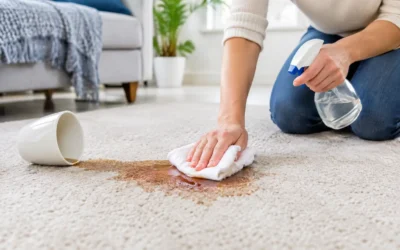
Start by blotting with a clean white cloth or plain kitchen roll. Press down gently and replace the cloth as it absorbs the spill. Work from the outside of the mark towards the centre to prevent it spreading. Avoid coloured cloths, as dye can transfer to a damp rug.
For a fresh, water-based spill, a small amount of cool water may be enough. Dampen a clean cloth, blot the affected area and then blot again with a dry towel. Wool does not respond well to excessive heat, so use cool or lukewarm water rather than hot water.
Do not scrub with a brush, even if the mark appears stubborn. Scrubbing can roughen the wool’s surface, push contamination deeper into the pile and create a noticeably lighter or fuzzy patch. It may feel satisfying in the moment, but it often leaves a bigger problem behind.
Use cleaning products sparingly
A cleaner that works well on a man-made carpet is not automatically suitable for wool. Avoid bleach, strong alkaline products, washing-up liquid, laundry detergent and stain removers containing harsh solvents unless they are specifically approved for wool. These products can strip colour, leave sticky residue or alter the texture of the fibres.
If you have a wool-safe spot cleaner, test it first in an inconspicuous corner. Apply a tiny amount following the product instructions, blot it away and allow the area to dry fully. Check for colour transfer on the cloth and any change in the appearance of the pile.
Even a suitable product should be used in moderation. Too much solution is difficult to rinse from wool, and leftover residue attracts fresh dirt. In many cases, careful blotting and a professional clean later are safer than repeatedly applying household treatments.
How to deal with common wool rug stains
Different spills need different responses, and speed matters more than force. For tea, coffee, squash or wine, blot immediately, then use a lightly dampened cloth and a wool-safe cleaning solution if needed. Continue blotting, never rubbing, until no more colour transfers to the cloth.
For pet urine, absorb as much moisture as possible straight away. Urine can leave both a stain and an odour, particularly if it reaches the rug backing or the floor beneath. Avoid heavily perfumed products that merely mask the smell. A wool-safe, pH-balanced treatment may help with a fresh accident, but older or repeated pet contamination often needs professional extraction and odour treatment.
For mud, let it dry first. Trying to wipe wet mud usually spreads it through the fibres. Once dry, vacuum up as much loose soil as possible, then gently blot any remaining mark with minimal moisture.
For wax, chewing gum, paint, ink or unknown stains, do not experiment with multiple remedies. These are the situations where quick advice from a cleaning professional can prevent permanent damage. Home remedies found online often overlook the dye stability, construction and age of a particular rug.
Avoid over-wetting when cleaning wool rugs safely
The greatest risk with DIY deep cleaning is over-wetting. Wool holds moisture readily, and a soaked rug may take a long time to dry, especially during damp weather or in a poorly ventilated room. That creates conditions for lingering odours, mould growth, dye bleed and damage to the backing or floor underneath.
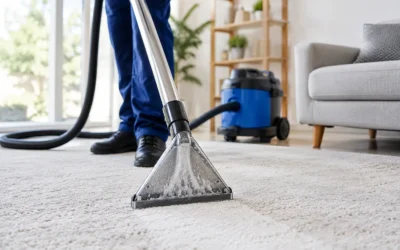
Avoid using a domestic carpet-cleaning machine unless its instructions clearly state that it is appropriate for wool rugs. Even then, use the minimum amount of approved solution and ensure the machine extracts as much moisture as possible. Never leave a wool rug wet on a wooden floor, laminate or underfloor heating system without checking that the surface below is protected.
If a rug becomes damp, improve airflow straight away. Open windows where practical, use gentle room ventilation and keep pets and people off the rug until it is fully dry. Do not place it directly over a radiator or apply intense heat, as rapid drying can cause shrinkage or distortion.
When professional wool rug cleaning is the safer option
A professional assessment is sensible for valuable, handwoven or heavily soiled wool rugs, as well as rugs with old stains, pet odours, colour bleed or water damage. It is also the best option when a rug looks dull despite regular vacuuming. Deeply embedded soil cannot always be removed with surface cleaning alone.
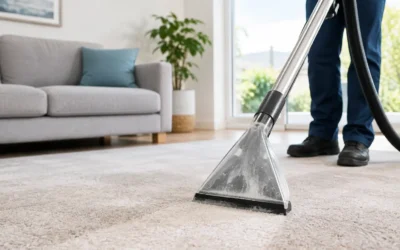
The right cleaning method depends on the rug’s construction, dyes and condition. Professional equipment can remove embedded dirt and residues while using controlled moisture and suitable cleaning solutions. This is especially valuable for households with children, pets or allergies, where dust, pet dander and allergens can build up in the pile.
At City Carpet Cleaning, rugs are assessed before treatment so that the cleaning approach suits the fibre and condition rather than relying on a one-size-fits-all method. Fully insured, careful cleaning gives homeowners and landlords greater confidence when a rug needs more than routine maintenance.
Keep a wool rug looking good between cleans
Regular care reduces the need for intensive cleaning. Vacuum gently, deal with spills promptly and rotate the rug every few months where possible. Rotation helps distribute foot traffic and daylight exposure more evenly, particularly near patio doors and sunny windows.
Use a good-quality rug pad underneath if the rug is suitable for one. It can reduce slipping, cushion the fibres and limit wear from movement against the floor. Keep direct sunlight in mind too, as prolonged exposure can fade natural dyes over time.
If a stain will not lift easily, or the rug feels damp, stiff or uneven after a DIY attempt, stop treating it. Preserving the wool is more valuable than winning a battle with one stubborn mark, and timely professional advice can often save both the rug and the cost of replacement.