A desk can look tidy while the surrounding workspace tells a different story. Dust settles deep into carpet fibres, drink spills leave sticky residue around communal areas, and high-touch surfaces pass between dozens of hands each day. Good office hygiene is not simply about making a workplace look presentable. It supports staff wellbeing, protects your business’s professional image and helps carpets and furnishings last longer.
For offices in Brighton, Hove and across East Sussex, the most effective approach combines sensible daily habits with planned professional cleaning. The right balance depends on your footfall, the type of work you do and how your premises are used.
Why office hygiene matters beyond appearances
A clean office gives clients, visitors and prospective employees confidence before a conversation has even begun. Marks on entrance carpets, stale smells in meeting rooms or visibly dusty upholstery can make an otherwise well-run business feel neglected. First impressions matter, particularly in customer-facing workplaces.
There is also a practical health consideration. Offices collect dust, pollen, skin flakes, food debris and, in some settings, pet hair brought in on clothing. These particles can become trapped in carpets, fabric chairs and soft furnishings. Over time, they may affect indoor air quality and make the environment less comfortable for people with allergies or sensitivities.
Regular vacuuming and surface wiping are valuable, but they do not remove everything. Fine grit works its way down into carpet piles, where it can gradually wear fibres down. Spills that appear to have dried cleanly may leave residue behind, attracting more soil. A proper office hygiene plan deals with both the visible mess and the build-up staff may not notice day to day.
The foundations of good office hygiene
The best routines are realistic enough to be followed. A long cleaning checklist that nobody owns is less useful than a clear system with defined responsibilities. Daily attention should focus on shared areas and frequently handled surfaces, while weekly and periodic tasks can tackle the deeper work.
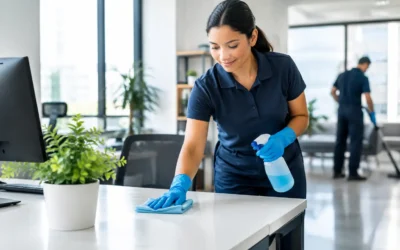
Reception areas, kitchens, toilets and meeting rooms usually need the closest attention because they have higher traffic and are used by different people throughout the day. Door handles, light switches, kitchen appliances, shared keyboards and meeting-room tables should be cleaned regularly using suitable products and methods for the surface.
Waste management also has a bigger effect than many workplaces expect. Bins that are emptied reliably, especially those containing food waste, help prevent odours and discourage pests. In kitchen areas, staff need clear expectations around washing up, wiping spills and removing out-of-date food from communal fridges. It is a shared space, so cleanliness cannot rest with one person alone.
Ventilation plays a part too. Where practical, allowing fresh air to circulate can reduce stuffiness and help offices feel more comfortable. This is particularly useful after cleaning, during busy periods or in rooms used for back-to-back meetings.
Give high-traffic flooring the attention it needs
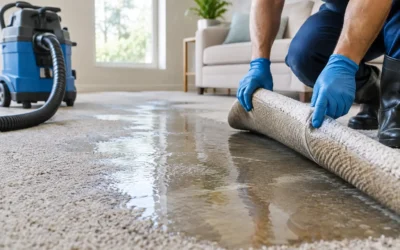
Carpets do a hard job in an office. They catch dirt at entrances, absorb the impact of constant footfall and often hide soil until it becomes severe. Vacuuming several times a week, or daily in busy areas, removes loose debris before it is trodden deeper into the fibres.
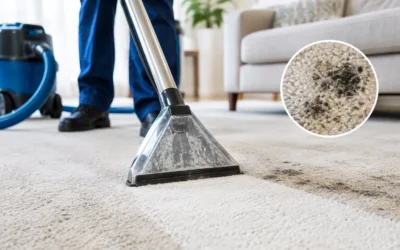
However, vacuuming is maintenance, not a substitute for deep cleaning. Areas around desks, walkways between workstations, reception entrances and meeting rooms can develop a dull, flattened appearance even when they are vacuumed routinely. Professional cleaning removes embedded soil and helps restore the appearance of the carpet, while reducing the allergens and particles held within it.
The required frequency varies. A small, low-footfall office may benefit from a professional clean once or twice a year. A busy office, clinic, retail back office or premises with frequent visitors may need cleaning more often. Seasonal weather matters as well. Wet winter shoes and muddy entranceways can quickly increase the load on carpets.
Dealing with spills before they become stains
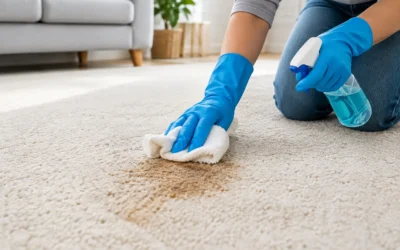
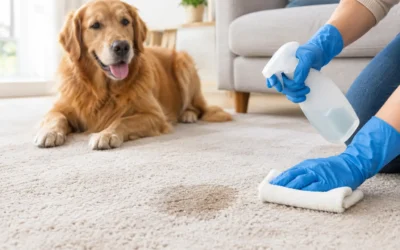
Accidents happen in every workplace. Coffee, tea, printer ink, food and muddy water are among the most common causes of carpet marks. The first response often determines whether a spill becomes a lasting stain.
Blot the affected area promptly with a clean, absorbent cloth or paper towel. Avoid rubbing, as this can spread the spill and push it further into the carpet. Use a small amount of clean water where appropriate, then blot again. It is wise to avoid applying strong household chemicals without checking that they are suitable for the carpet fibre and stain type. The wrong product can bleach the colour, leave a sticky residue or make a professional clean more difficult later.
For significant spills, unpleasant odours or stains that return after drying, arrange professional help sooner rather than later. The longer a substance remains in the fibres, the more time it has to bond with them. This is especially relevant for food, milk-based drinks and anything containing colourants.
A cleaner workspace supports staff and visitors
Office hygiene is partly about reducing contaminants, but it is also about creating a workplace people feel comfortable using. Staff are more likely to take pride in a tidy environment when cleaning standards are consistent and practical. It sends a straightforward message: the business cares about the people who work there.
For facilities managers and office managers, this does not mean constantly policing desks. Personal workspaces can be handled sensitively, with simple guidance on clearing food, managing mugs and keeping shared equipment clean. The priority is to make communal areas easy to use and easy to maintain.
When visitors arrive, details become more noticeable. Clean carpets, fresh upholstery and an odour-free reception area give your premises a cared-for feel. This matters for professional services, estate agencies, healthcare settings, schools, studios and any workplace where clients spend time on site.
Do not overlook fabric chairs and upholstered seating
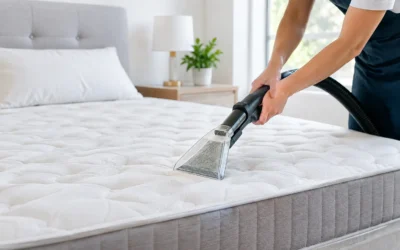
Office chairs and reception seating can hold dust, body oils, crumbs and occasional drink spills. Because they are used regularly, contamination can build up gradually without looking obvious. A fabric chair may appear fine from a distance but still benefit from a professional upholstery clean.
Cleaning methods should always be chosen with the fabric in mind. Some materials need low-moisture treatment, while others can be deep cleaned more thoroughly. Using specialist equipment and suitable cleaning solutions helps lift soiling without over-wetting the fabric or leaving it unusable for longer than necessary.
When professional cleaning is the sensible choice
Daily cleaning staff are essential, but their role is often focused on visible surfaces and routine upkeep. Professional carpet and upholstery cleaning is a separate service that brings specialist equipment, training and techniques to the task. It is particularly worthwhile after winter, before an important client event, at the end of a tenancy, following building works or when carpets have become visibly marked.
A professional clean can help refresh tired-looking flooring, tackle stubborn stains and remove the soil that ordinary vacuuming leaves behind. Done at sensible intervals, it can also protect your investment by reducing abrasive grit that wears carpet fibres over time.
City Carpet Cleaning provides insured commercial carpet cleaning for offices and business premises across Brighton, Hove and nearby East Sussex areas. With more than 15 years of experience, the team uses modern equipment and child- and pet-safe solutions where appropriate, working carefully to achieve a clean, presentable result with minimal disruption to your working day.
Before booking, consider access, parking, the areas that need priority and the best time for work to take place. Some offices prefer early mornings, evenings or quieter days to keep disruption low. A clear discussion beforehand makes it easier to plan the job around your business.
Make hygiene part of the way your office runs
The strongest office hygiene routines are not built around occasional panic cleaning. They are built into normal operations: staff deal with spills promptly, shared spaces are cleaned consistently, carpets are vacuumed properly and deep cleaning is scheduled before dirt becomes a visible problem.
A fresh, well-maintained office is easier to work in and more welcoming to everyone who walks through the door. If your carpets or upholstered seating are starting to look tired, a professional assessment and a free, no-obligation quote can be a practical first step towards a cleaner workplace.