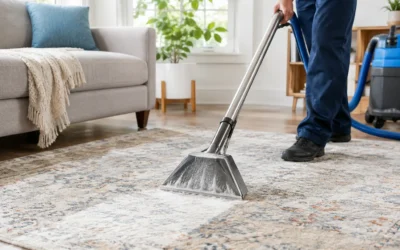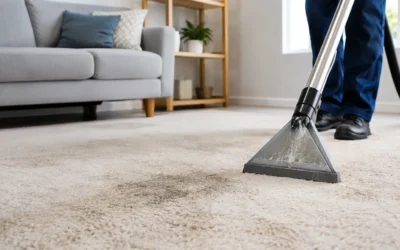
A carpet can look reasonably clean while holding a surprising amount of dust, grit, pet dander and everyday residue beneath the surface. Good carpet hygiene is not about chasing a perfectly spotless floor. It is about keeping the fibres, the air in your rooms and the spaces where children and pets play in better condition.
For homes and workplaces across Brighton, Hove and East Sussex, carpets cope with far more than the occasional muddy footprint. They collect particles brought in from pavements, cooking odours, skin cells, pollen, crumbs and spills. Regular care makes a real difference, but there comes a point where a household vacuum cannot reach what is embedded deep in the pile.
Why carpet hygiene matters at home
Carpet fibres act like a filter. They trap loose particles that would otherwise circulate through a room, which can be helpful initially. The problem is that the filter needs cleaning. As foot traffic presses debris down, fine dirt settles around the base of the fibres and can gradually make a carpet look flat, dull and worn.
This matters particularly in busy family homes. Toddlers spend time close to the floor, pets shed hair and dander, and food or drink accidents are part of normal life. For people with allergies or sensitivities, dust and pollen held in soft furnishings may add to discomfort, especially when rooms are heated or disturbed by daily activity.
Hygiene also has an appearance and value element. Tiny abrasive particles can work away at carpet fibres as people walk over them. Removing this dry soil regularly helps preserve the texture and colour of the carpet, rather than allowing it to become permanently tired-looking before its time.
A clean carpet should not be confused with a sterile one. No sensible cleaning service can promise to remove every microorganism from a lived-in home. What professional cleaning can do is remove built-up soil, residues, allergens and odours more effectively, leaving carpets fresher and easier to maintain.
The limits of vacuuming
Vacuuming remains the foundation of carpet care. In most homes, once or twice a week is a sensible starting point, while entranceways, hallways and areas used by pets may need attention more often. Slow, overlapping passes lift more dry soil than a quick run around the room.
However, vacuuming is designed mainly to collect loose material from the surface and upper pile. It cannot properly flush out sticky residues from spills, oils transferred from feet, old cleaning product, or dirt that has been compacted over months. If a carpet looks grey around the edges, feels slightly stiff, develops an odour or seems to get dirty again soon after vacuuming, deeper cleaning is usually needed.
It is also worth checking the vacuum itself. A full bag or blocked filter reduces suction, and a brush bar set too aggressively can be unsuitable for delicate wool or loop-pile carpets. The right approach depends on the carpet material, its age and the manufacturer’s care guidance.
Small habits that keep carpets fresher
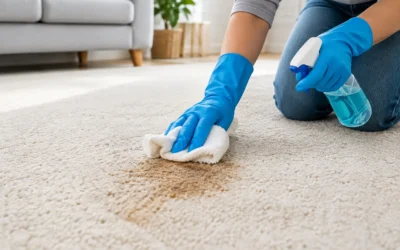
A few practical routines can reduce the amount of dirt reaching the carpet in the first place. Use good-quality mats at external doors, take shoes off where practical, and deal with spills promptly by blotting rather than rubbing. Rubbing pushes liquid further into the fibres and can spread the stain.
Avoid soaking a stain with shop-bought cleaner or using several products at once. Over-wetting can leave a residue that attracts more dirt, while unsuitable chemicals may affect colour or texture. If you are uncertain, test any product in a hidden area first and use only a small amount.
Move light furniture occasionally when vacuuming. Dust and debris often gather along skirting boards, beneath sofas and around furniture legs, where the carpet receives less day-to-day attention but can still hold plenty of soil.
When carpet hygiene needs professional help
A professional deep clean is especially worthwhile after a tenancy, before welcoming a new baby, following illness, or when a carpet has been through a wet winter with children, pets and visitors. It is also a practical choice for landlords preparing a property between tenants and for businesses that need a clean, presentable working environment.
Some signs are easy to spot: visible staining, a lingering pet smell, dark traffic lanes or a carpet that no longer feels soft. Others are less obvious. A room may seem stuffy despite regular cleaning, or you may notice that vacuuming brings little improvement. These are often signs of ingrained soil rather than a failure to clean properly at home.
The frequency depends on how the space is used. A quiet spare room may need professional cleaning less often than a lounge used daily by a family and a dog. Many households benefit from a deep clean every 12 to 18 months, while high-traffic homes, rental properties and commercial premises may need it more frequently.
What a proper deep clean can achieve
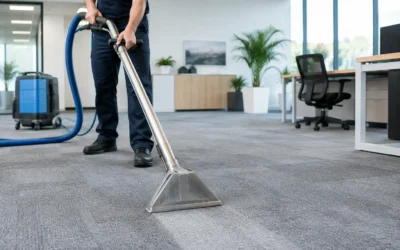
Professional carpet cleaning is not simply a more powerful version of vacuuming. The process should begin with an assessment of the carpet, its fibre type, its condition and the stains or odours present. This helps determine the safest method and avoids treating every carpet in the same way.
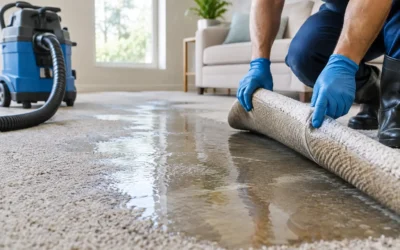
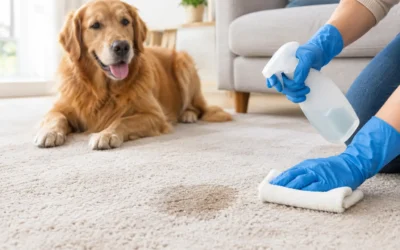
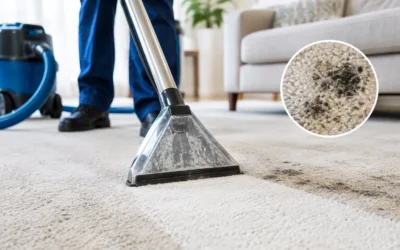
Specialist equipment and modern cleaning techniques can loosen and extract deep-seated soil while controlling moisture levels. The aim is to leave the carpet thoroughly cleaned without over-wetting it, as excessive moisture can lead to prolonged drying times and unwanted odours. Where pet accidents or spills are involved, treatment may also need to address the source of the odour rather than just cover it with fragrance.
For households with children and animals, the cleaning solutions used matter. Child- and pet-safe products, applied correctly and fully extracted, offer reassurance without compromising on results. It is sensible to ask a cleaner how they will treat a particular stain, what drying time to expect and when the room can be used again.
Results depend on the carpet’s history. Fresh tea or red wine stains often respond well when treated quickly, but old marks may have been heat-set, repeatedly treated or permanently affected the fibres. A reputable cleaner will explain this honestly rather than promise an impossible result. Even where a stain cannot disappear completely, professional treatment can often improve its appearance and remove the surrounding soil that makes it stand out.
Carpet hygiene in offices and shared spaces
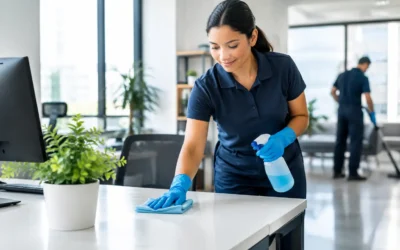
Commercial carpets face a different challenge. Offices, communal halls, clinics and rental properties may have constant footfall, often with dirt tracked in from outside. Because the soiling develops gradually, it is easy to overlook until entrances and walkways become noticeably darker than the rest of the floor.
A planned cleaning schedule helps protect the appearance of the premises and provides a more welcoming environment for staff, customers and visitors. It can also extend the useful life of a carpet, which is far more cost-effective than replacing flooring prematurely. The best schedule is based on footfall, weather exposure, working hours and whether cleaning needs to be completed outside normal business hours.
Choosing a cleaner you can trust
Carpet cleaning involves your home, furnishings and flooring, so expertise matters. Look for an insured, experienced local company that takes time to understand the job, explains the method clearly and provides a realistic quote. Price is naturally important, but the cheapest option can be poor value if it leaves carpets over-wet, residue-heavy or only lightly cleaned.
City Carpet Cleaning combines specialist equipment with careful, personal service for homes and businesses in Brighton, Hove and surrounding East Sussex areas. Whether the concern is a heavily used lounge, a pet-related accident, an end-of-tenancy clean or tired office flooring, a professional assessment can help identify the right treatment.
A carpet does not need to look visibly dirty before it deserves attention. Keep up the simple weekly habits, act quickly when accidents happen, and arrange a deep clean when the fibres need more than surface care. Your rooms will feel fresher, and the carpet you already own will have a better chance of lasting well.