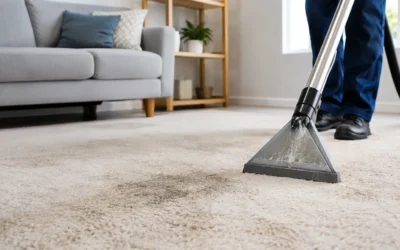
A busy office carpet can look acceptable long after it has started holding onto dust, grit, allergens and spills. Commercial carpet cleaning Sussex businesses can rely on is about more than removing visible marks. It helps create a cleaner, more welcoming workplace for staff, clients and visitors, while protecting a flooring investment that is expensive to replace.
For offices, shops, communal areas and other business premises, regular professional cleaning is a practical part of maintaining the building. The right approach takes account of footfall, carpet type, working hours and the condition of the floor, rather than applying one method to every job.
Why commercial carpets need professional attention
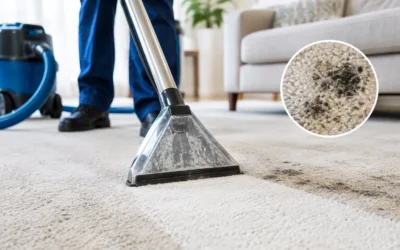
Carpet fibres act as a filter. They trap soil brought in on shoes, fine dust, food particles, pollen and debris from outside. In a commercial setting, this builds up quickly around entrances, corridors, workstations, meeting rooms and kitchen areas. Regular vacuuming is essential, but it only removes surface debris. It cannot fully lift the embedded soil that gradually dulls the pile and causes carpets to feel flat or worn.
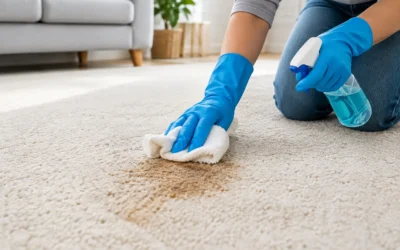
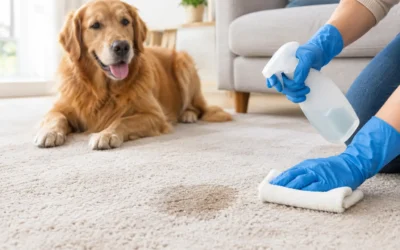
Spills are another common issue. Tea, coffee, mud and food stains can make an otherwise well-kept workplace look neglected. If they are left to dry or repeatedly treated with unsuitable products, they may become harder to remove. A professional deep clean uses suitable equipment and cleaning solutions to break down dirt and treat marks with care, without soaking the carpet unnecessarily.
There is also the matter of indoor air quality. Dust, allergens and pet dander can be carried into workplaces on clothing and footwear, particularly in shared buildings. Deep cleaning helps reduce the contaminants held in the carpet, supporting a fresher environment for everyone using the space.
Commercial carpet cleaning in Sussex for different premises
No two commercial spaces have the same cleaning needs. A quiet professional office may need a scheduled clean once or twice a year, while a busy reception area, nursery, salon or retail premises may benefit from more frequent attention. The best schedule depends on how many people use the building, whether customers come in from the street, the colour and texture of the carpet, and how quickly spills can be dealt with.
In Brighton, Hove and surrounding East Sussex areas, wet weather and coastal conditions can add to the challenge. Moisture and grit are easily walked indoors, especially during autumn and winter. Entrance matting helps, but it does not remove the need for periodic deep cleaning of the carpet beyond the door.
A professional service should also work around your business where possible. Early appointments, quieter periods or planned out-of-hours cleaning can reduce disruption. For small businesses, this can make the difference between keeping the premises presentable and postponing cleaning until the carpet is heavily soiled.
Offices and meeting rooms
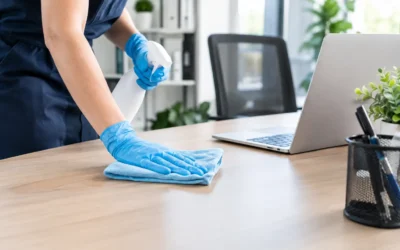
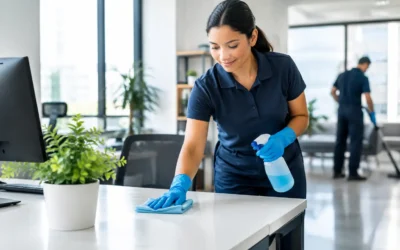
Office carpets often collect dirt gradually, making the change easy to miss. Walkways become darker than the surrounding carpet, chair areas show wear, and a small coffee stain can stand out in a client meeting. Cleaning these areas restores a more consistent appearance and helps the workplace feel cared for.
Shops, salons and customer-facing spaces
First impressions matter where customers visit regularly. A clean floor supports the overall standard of the service or products you provide. It is particularly valuable in spaces with pale carpets, upholstered waiting areas or frequent footfall from outside.
Shared blocks and communal areas
Hallways, stair landings and entrances in managed properties often receive heavy use but can be overlooked between routine maintenance visits. Deep cleaning can refresh these high-traffic areas and help prevent grit from working deeper into the carpet fibres.
What a professional clean should involve
Effective commercial carpet cleaning is not simply a case of hiring a machine and applying more water. The carpet needs to be assessed first. Its material, construction, existing stains and overall condition all influence the safest and most suitable treatment.
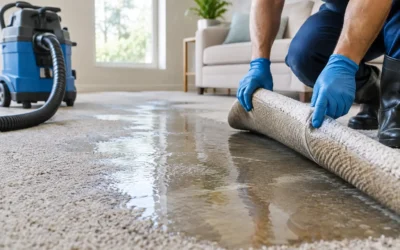
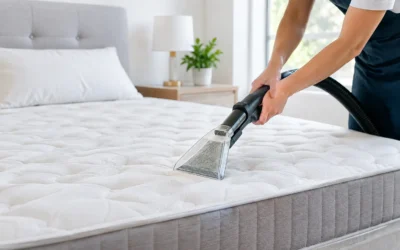
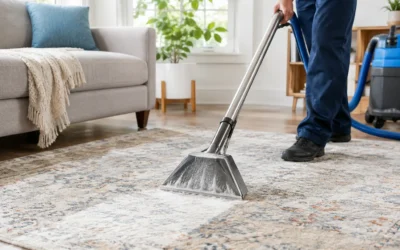
The process normally begins with thorough vacuuming to remove loose soil. Targeted pre-treatment may then be applied to stained or heavily trafficked areas. Specialist equipment is used to lift embedded dirt from the fibres, while extraction removes the cleaning solution and suspended soil. The aim is to leave the carpet clean, refreshed and able to dry within a sensible timeframe.
Drying time varies. It depends on the carpet, the cleaning method, ventilation, humidity and how heavily the floor was soiled. A reputable cleaner will give clear advice on when the area can be used again and how to help it dry efficiently. Opening windows where practical, maintaining normal heating and limiting foot traffic until dry can all help.
Child- and pet-safe solutions are useful not only in family homes but also in workplaces where staff, visitors or customers may be sensitive to strong chemical smells. Safer products do not mean a less thorough result. What matters is matching the solution and method to the task, then using it correctly.
Signs your business carpet is due for a deep clean
Waiting until a carpet looks very dirty is rarely the most economical approach. Soil causes friction in the fibres as people walk over it, which can contribute to premature wear. Regular cleaning helps remove that abrasive grit before it does further damage.
It may be time to arrange a professional clean if you notice several of the following:
- darker walkways, especially near entrances, desks and corridors;
- stains that return after spot cleaning or do not improve;
- lingering odours after food, drink or damp footwear incidents;
- flattened carpet pile that no longer responds to vacuuming; and
- an overall dull appearance that does not reflect the standard of your business.
A clean may not reverse permanent wear, sun fading or damage caused by bleach and harsh chemicals. Honest advice matters here. However, carpets that seem beyond saving often improve significantly once the built-up soil has been removed.
Protecting carpets between cleaning visits
Professional cleaning works best alongside sensible daily care. Vacuum high-traffic areas frequently, rather than waiting for a weekly full clean, and deal with fresh spills quickly by blotting rather than rubbing. Rubbing can push liquid deeper into the fibres and spread the stain.
Use entrance mats that are large enough for people to take a few steps on them, and clean those mats regularly. For office chairs, suitable protective mats can reduce pressure and friction in heavily used desk areas. It is also worth keeping a simple record of stains or incidents, particularly in larger premises, so problem areas can be treated before they become permanent.
Avoid using supermarket stain products without checking that they are suitable for your carpet. Some leave a sticky residue that attracts more dirt, while others can affect colour or texture. When in doubt, ask for advice before attempting a treatment.
Choosing a local commercial carpet cleaner
The cheapest quote is not always the best value if it leaves carpets wet for too long, fails to address stains properly or uses unsuitable products. Look for a fully insured provider with experience of commercial premises, appropriate specialist equipment and a clear explanation of what is included.
Local knowledge also helps. A responsive team can arrange cleaning around the needs of a business in Brighton, Hove, Portslade, Rottingdean and nearby areas, and can be easier to contact when an unexpected spill or urgent cleaning issue arises. City Carpet Cleaning brings more than 15 years of experience to commercial work, with careful service, competitive pricing and free, no-obligation quotes.
A well-maintained carpet quietly supports the way people feel about your premises. If your floors are starting to look tired, arranging a professional assessment now can help you plan the right clean before dirt, stains and wear become a bigger problem.