A leaking biro on a cream lounge carpet can look alarming, particularly when a child, pet or hurried home office is involved. The good news is that removing ink from carpet is often possible, but the first few minutes matter. Rubbing, soaking the area or reaching for the wrong household product can spread the mark and push colour further into the fibres.
The aim is to lift the ink gradually while protecting the carpet’s colour, pile and backing. Work patiently, use small amounts of cleaning solution and stop if the stain begins to spread. For valuable wool carpets, pale flooring or a large ink spill, professional treatment is usually the safer choice.
Removing ink from carpet: what to do first
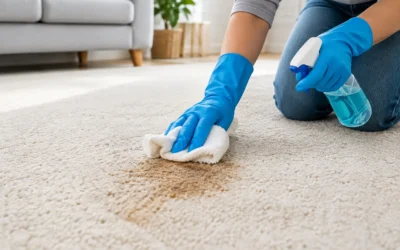
Start by blotting any fresh, wet ink with a clean white cloth or plain kitchen roll. Press gently from the outside of the mark towards the centre. This helps prevent a small spot becoming a larger ring. Change to a clean section of cloth frequently so you are lifting ink away rather than transferring it back onto the carpet.
Avoid scrubbing with a brush, coloured cloth or abrasive sponge. Friction can damage the pile, especially on looped carpets, and may work the ink deeper into the backing. Do not pour water directly on to the stain either. Excess moisture can spread dye, leave a watermark and, if it reaches the backing, create lingering odours or drying problems.
Before using any product, test it in an inconspicuous area, such as inside a cupboard or beneath furniture. Apply a tiny amount to a white cloth, dab the test area and allow it to dry. If colour transfers to the cloth or the carpet changes shade, do not continue.
Identify the ink before treating it
Not all ink responds in the same way. Ballpoint ink is commonly oil-based and often needs a solvent-based approach. Washable felt-tip pen and some gel inks may be more water-based, while permanent marker can contain strong dyes that are much harder to remove.
It also depends on how long the ink has been there. Fresh ink is generally easier to lift because it has not had time to bind to the fibres. A stain that has dried, been rubbed, or already treated with several products may need more careful work. Carpet material makes a difference too. Synthetic carpets can often tolerate more treatment than wool, but every carpet should be tested first.
A careful method for fresh ballpoint ink
For a small ballpoint mark on a colourfast carpet, place a clean white cloth beneath the affected area if you can access the carpet edge. If not, work from the surface with a second cloth ready. Lightly dampen a white cloth with isopropyl alcohol, sometimes sold as rubbing alcohol. Never apply it straight from the bottle to the carpet.
Dab the stain gently. You should see ink transferring on to the cloth. Keep moving to a clean area of cloth and repeat slowly. The alcohol should be used sparingly, as flooding the carpet can carry dissolved ink into surrounding fibres or the backing.
Once the ink has lifted as far as possible, blot the area with a cloth lightly dampened with cool water to remove residue. Then press with a dry towel and allow the carpet to air dry fully. Keep children and pets away from the area while it is being treated and drying, and ensure the room is well ventilated when using alcohol.
If the stain lightens but does not disappear, resist the temptation to keep applying stronger products. Several short, gentle applications are safer than aggressive treatment. A faint remaining shadow may be ink that has travelled below the visible pile, where specialist extraction equipment and stain treatment can make a real difference.
For washable ink and felt-tip pen
Begin with a small amount of mild washing-up liquid mixed into cool water. Use only a few drops of detergent in a cup of water. Dab the solution on with a white cloth, blotting rather than rubbing, then follow with a separate cloth lightly dampened with plain water.
This method can help lift water-based ink, but it is not suitable for every marker. If the mark starts to spread or the colour transfers heavily, stop and seek advice. Permanent marker, printer ink and brightly coloured pen stains can be unpredictable, particularly on pale or patterned carpets.
Products and methods to avoid
Household advice for ink stains can be contradictory, and some suggested remedies carry more risk than benefit. Bleach can permanently remove carpet colour and weaken fibres. Nail varnish remover may contain acetone or other solvents that can damage synthetic fibres, strip colour or affect the carpet backing. Hairspray formulas vary greatly and can leave a sticky residue that attracts dirt.
Steam cleaning should also wait. Heat may set some inks, while moisture and agitation can enlarge the affected area. Do not mix cleaning products in the hope of making a stronger solution. Apart from risking damage to the carpet, combining chemicals can create unpleasant or unsafe fumes.
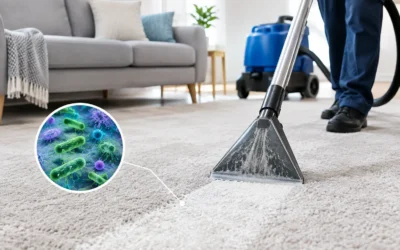
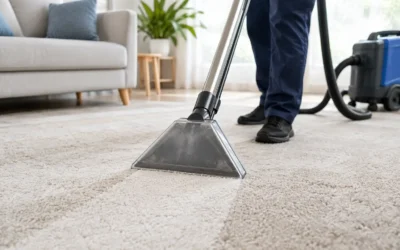
A rented carpet cleaning machine is useful for general freshening, but it is not always the right first response to ink. Extraction without the correct pre-treatment can draw dissolved colour through a wider area. It may also overwet the carpet if used incorrectly. Ink removal is a stain-specific job, not simply a matter of adding more water.
When professional ink stain removal is worthwhile
Call a professional cleaner if the ink covers more than a small spot, has dried into the carpet, or sits on wool, silk, viscose or an expensive rug. Professional help is also sensible where a child has drawn across several areas, a pen has leaked beneath furniture, or previous attempts have made the stain larger.
A trained technician can assess the fibre type, dye stability and type of ink before choosing a treatment. Specialist spotting agents are used in controlled amounts, followed by professional extraction to remove loosened residue. The objective is not just to make the stain less visible, but to clean the affected fibres without leaving sticky product behind to attract dirt.
For landlords and tenants, timely treatment can be particularly valuable before an inspection or end of tenancy clean. In offices, reception areas and meeting rooms, a visible ink mark can make an otherwise clean workspace look neglected. City Carpet Cleaning provides careful, insured carpet cleaning and stain treatment across Brighton, Hove and surrounding East Sussex areas, with solutions chosen to be safe for homes with children and pets.
Protect the carpet after the stain has lifted
Once the area is dry, check it in natural daylight as well as under room lighting. Some stains appear gone while damp but become visible again after drying. If a slight shadow returns, do not rework it repeatedly at home. Take a clear photo and arrange an assessment while the type of stain and products used are still easy to describe.
Vacuum the area only after it is completely dry. If the carpet pile has flattened during blotting, gently brush it in its natural direction with a soft brush. Avoid replacing heavy furniture over damp carpet, as this can create pressure marks and slow drying.
A pen accident need not mean living with a permanent reminder on the floor. Act calmly, keep moisture to a minimum and give the fibres time between treatments. Where the carpet matters to your home, a prompt professional clean is often the most practical way to protect both its appearance and its lifespan.