A carpet can look tidy from the doorway while holding far more than everyday dust in its fibres. Carpet cleaning bacteria is a concern for many households, particularly where there are young children, pets, allergies, frequent visitors or a recent spill. The good news is that this is not a reason to panic or replace a carpet unnecessarily. It is a reason to clean it properly and at the right time.
What bacteria can collect in carpets?
Carpets act as a soft filter for the home. As people walk through a room, tiny particles are brought in on shoes, paws, bags and clothing. Food crumbs, skin cells, pet dander, soil and moisture can settle beneath the surface, where an ordinary vacuum may not reach.
Bacteria can be present in that mixture, especially after food or drink spills, muddy foot traffic, pet accidents, illness in the household or damp conditions. Not all bacteria are harmful, and a carpet is not automatically unhygienic because it contains microbes. However, when organic material and moisture are left in the pile, they can create conditions that contribute to unpleasant smells and poor cleanliness.
The concern is often greater in busy family rooms, hallways, rental properties and offices. These are the areas where carpets receive repeated footfall and may not have time to dry fully after a spill or a poor-quality clean.
Carpet cleaning bacteria: why surface cleaning is not enough
Vacuuming is an essential part of carpet care. It removes loose dirt, dust and some allergens before they are worked deeper into the fibres. However, it cannot fully remove sticky residues, dried spills or contaminants held close to the backing of the carpet.
Shop-bought carpet sprays and hired machines can help with a small, fresh mark, but their results depend on using the right solution, avoiding over-wetting and extracting as much moisture as possible. Too much detergent can leave a residue that attracts more soil. Too much water can leave a carpet damp for too long, particularly in a cool room or during wet weather.
Professional deep cleaning is designed to address the material that ordinary cleaning leaves behind. The most suitable method depends on the carpet fibre, its condition and the type of soiling. A trained technician will assess these details rather than applying the same treatment to every carpet.
The connection between bacteria, odours and dampness
A persistent stale or sour smell is often the sign that something has soaked into the carpet rather than simply landed on its surface. Pet urine, milk, food, vomit and damp footwear are common examples. Even when the visible mark has faded, residue can remain in the fibres or underlay.
Bacteria feed on organic residue, and this process can produce odours. Moisture makes the problem worse. That is why simply masking a smell with fragrance rarely solves it for long.
A thorough clean can lift the source of the odour, not just cover it. For pet accidents and similar contamination, the affected area may need targeted treatment before extraction. The goal is to remove as much of the residue as possible while leaving the carpet clean, fresh and properly dried.
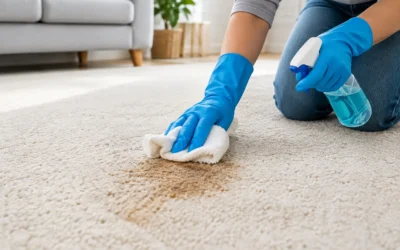
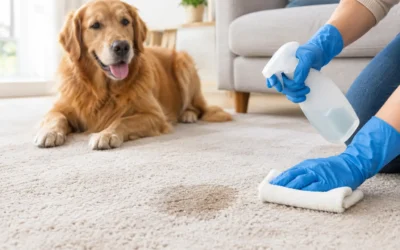
It is worth acting quickly after a spill. Blot excess liquid with a clean white towel, working from the outside of the area towards the middle. Avoid rubbing, as this can spread the contamination and damage the pile. Do not flood the carpet with water or household products unless you are sure they are suitable for its fibres.
Who benefits most from regular deep cleaning?
Every household has different needs. A lightly used spare room may only need occasional professional cleaning, while a family sitting room with a dog and two children may benefit from more regular attention. There is no single timetable that suits every carpet.
Deep cleaning is particularly worthwhile for homes with pets, crawling children or allergy-conscious residents. It can also make a real difference before a new baby arrives, after an illness, at the end of a tenancy or when moving into a property with an unknown cleaning history.
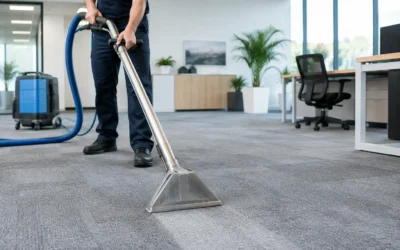
For landlords and tenants, a hygienically cleaned carpet can help a property feel cared for and ready for its next occupants. For offices and other commercial premises, cleaning supports a more presentable environment for staff and visitors while helping carpets withstand everyday foot traffic.
As a practical guide, many busy homes arrange a professional clean every 6 to 12 months. Properties with very light use may need it less often. If there are stains, odours, visible traffic lanes or a noticeable change in how the room smells and feels, it is sensible to book sooner.
How professional cleaning tackles the problem
Effective carpet cleaning is more than passing a machine over the floor. The work begins with checking the carpet type, identifying staining and choosing a safe cleaning approach. This matters because wool, synthetic carpets, delicate rugs and heavily soiled commercial flooring may all require different treatment.
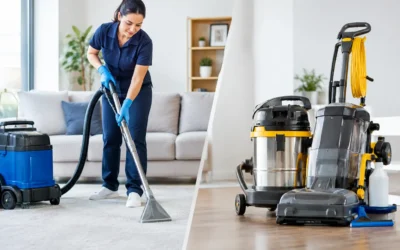
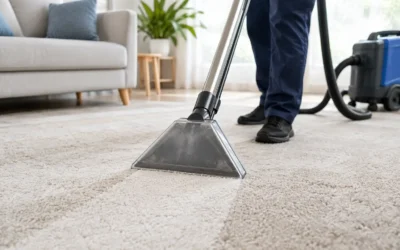
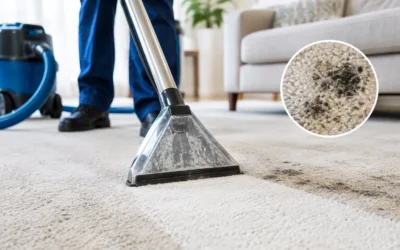
A professional process commonly includes thorough vacuuming or dry soil removal, targeted pre-treatment of marks and traffic areas, deep cleaning with specialist equipment, and controlled extraction to remove loosened dirt and cleaning solution. Good extraction is one of the most important parts of the job. It helps reduce the moisture left behind and supports a faster drying time.
At City Carpet Cleaning, child- and pet-safe cleaning solutions can be used alongside modern equipment and careful stain treatment. The aim is not to claim that a lived-in home can be made sterile. It is to remove embedded soil, residues and odour sources as effectively as possible, leaving carpets fresher, cleaner and more comfortable underfoot.
Simple habits between professional cleans
Regular care makes a professional clean more effective and can extend the life of the carpet. Vacuum high-traffic areas at least twice a week, and more often where pets shed or children spend time on the floor. Slow, overlapping passes lift more dirt than a quick run across the room.
Deal with spills promptly, remove outdoor shoes where practical and use doormats at entrances. If a pet has an accident, treat it as soon as possible rather than waiting for it to dry. This reduces the chance of staining and lingering odours.
Be cautious with strong bleach-based products, washing-up liquid and heavily perfumed sprays. They may discolour fibres, leave a residue or make a stain harder to remove later. If you are unsure, test any product in a hidden area first. For a valuable rug, wool carpet or stubborn stain, professional advice is usually the safer option.
When to call a professional
Some jobs are best left to a trained cleaner. Call for help if a stain keeps returning, a pet odour remains after treatment, a large area has been soaked, or a carpet feels stiff and sticky after DIY cleaning. These can all indicate residue or contamination beneath the surface.
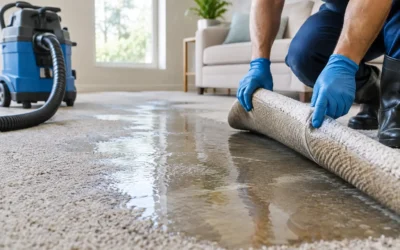
You should also seek prompt advice after flooding or significant water ingress. Cleaning alone may not be appropriate if the carpet and underlay have been wet for an extended period, as the risk of mould and damage needs to be assessed.
For Brighton, Hove and surrounding East Sussex homes and businesses, a professional assessment can take the guesswork out of carpet hygiene. A free, no-obligation quote gives you a clear idea of the treatment needed before any work begins.
A clean carpet is not about chasing perfection. It is about giving the people who live or work on it a fresher, better cared-for space – and dealing with spills, odours and embedded dirt before they become a bigger problem.