When a family member wakes with a blocked nose, itchy eyes or a persistent cough, the carpet may not be the first thing you suspect. Yet carpet cleaning for allergies can make a meaningful difference where dust, pet dander, pollen and dust-mite allergens have built up deep in the pile. A carpet acts like a filter, catching particles that would otherwise remain in the air. The problem starts when that filter is full.
Regular vacuuming is still worthwhile, but it cannot always reach the compacted dust and residue beneath the surface. For allergy-conscious homes in Brighton, Hove and across East Sussex, a planned combination of good daily habits and professional deep cleaning can help create a noticeably fresher indoor environment.
Why carpets can aggravate allergy symptoms
Carpets collect far more than visible crumbs and surface dirt. Every day, particles are carried indoors on shoes, through open windows and on clothing. Pets add hair and dander, while skin flakes provide a food source for dust mites. Pollen can be particularly troublesome during warmer months, even in homes that are otherwise kept very tidy.
These particles settle between carpet fibres, where normal vacuuming may only remove part of the build-up. Walking across the room, children playing on the floor or pets moving about can disturb settled dust and send finer particles back into the air. This does not mean carpet is unsuitable for every allergy sufferer. It does mean that carpets need more attention than an occasional quick vacuum.
Allergy symptoms have different causes, and cleaning is not a medical treatment. However, reducing the amount of dust, dander and other irritants in the home is a practical step that may help people feel more comfortable, particularly in bedrooms, living rooms and nurseries.
What professional carpet cleaning for allergies does
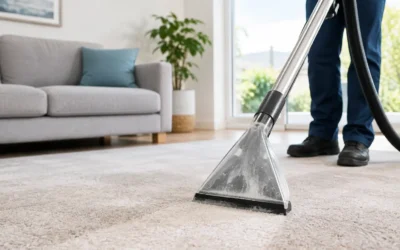
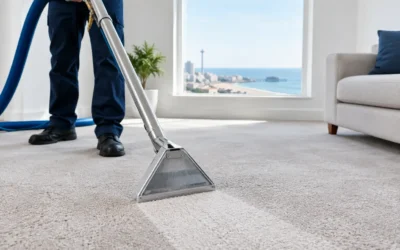
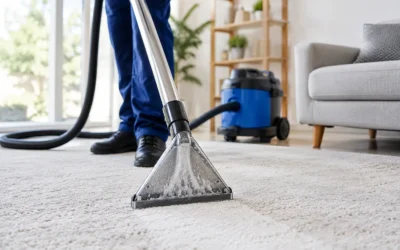
A proper deep clean is designed to remove embedded soil rather than simply improve the appearance of the carpet. Specialist equipment lifts dirt and cleaning solution from lower in the pile, helping to extract the material that ordinary household machines often leave behind.
The most suitable method depends on the carpet fibre, its condition, the level of soiling and how quickly the room needs to be back in use. Hot water extraction is often effective for washable carpets because it flushes through the fibres and recovers loosened dirt, residues and allergens. Low-moisture methods can be a sensible alternative for delicate materials or commercial areas where a shorter drying time is required.
The aim should not be to soak the carpet or leave strong-smelling chemicals behind. Careful pre-treatment, the correct amount of solution and thorough extraction matter. When carried out properly, deep cleaning leaves carpets cleaner, fresher and more comfortable to live with, without creating unnecessary dampness.
At City Carpet Cleaning, we use modern equipment and child- and pet-safe cleaning solutions, selecting a treatment that suits the carpet rather than taking a one-method-fits-all approach. This is particularly useful in busy family homes, where muddy paws, food spills and everyday dust can quickly undo the benefits of a surface clean.
Dust mites and the issue of humidity
Dust mites themselves are microscopic, but their waste particles are a common trigger for people with allergies and asthma. They tend to thrive in warm, humid environments and are often concentrated in soft furnishings, mattresses, rugs and carpets.
Deep cleaning can reduce the allergen load in carpets, but it works best alongside moisture control. Ventilate bathrooms and kitchens, dry washing thoroughly, deal with leaks promptly and avoid leaving carpets damp after spills. A professionally cleaned carpet should be left to dry fully before furniture is replaced or the room is heavily used.
Bedrooms deserve particular attention. People spend many hours there, often with the door closed and less airflow than in other rooms. If symptoms seem worse overnight or first thing in the morning, it is worth looking beyond the carpet to the mattress, upholstered bed frame, curtains and rugs as well.
How often should allergy sufferers clean carpets?
There is no single timetable that suits every household. A quiet, pet-free home with hard floors at the entrance may need professional carpet cleaning once a year. A home with children, dogs, cats, open windows during pollen season or someone with a diagnosed allergy may benefit from a deep clean every six months.
It also depends on where the carpets are. Hallways, stairs and living rooms usually collect the most tracked-in dirt, while bedroom carpets may hold more dust over time. If a carpet looks dull, develops an odour, feels gritty underfoot or produces a visible puff of dust when disturbed, it is sensible to arrange cleaning sooner rather than waiting for the annual reminder.
For rented properties, a professional clean can also be helpful before moving in, particularly if there is uncertainty about previous pets or cleaning standards. Landlords and letting agents may choose it between tenancies to present a cleaner, more hygienic property and protect the life of the flooring.
Everyday habits that support a cleaner carpet
Professional cleaning gives the carpet a thorough reset, but the results last longer when daily routines keep new contaminants under control. Vacuum slowly rather than rushing over the floor. Several passes in different directions allow the machine to lift more dust from the pile, especially in high-traffic areas.
A vacuum with a sealed filtration system or HEPA filter is often a good choice for allergy households, as it is designed to capture fine particles rather than release them back into the room. Empty the machine carefully, preferably outdoors, and clean or replace filters according to the manufacturer’s guidance.
It also helps to use good entrance mats and ask visitors to remove outdoor shoes where practical. Wash pet bedding regularly, groom pets away from carpeted rooms if possible, and wipe paws after wet walks. During high-pollen days, keeping windows closed at peak times and changing clothes after spending time outdoors can reduce what is brought inside.
Do not rely on heavily fragranced carpet powders to make a room smell clean. Some leave residue in the pile, can be difficult to vacuum out and may irritate sensitive people. A clean carpet should smell neutral and fresh, not masked by perfume.
Common mistakes to avoid
The biggest mistake is waiting until the carpet looks visibly dirty. Allergens are often present long before there is an obvious stain or mark. Another is over-wetting the carpet with a hired machine or too much shop-bought shampoo. Excess moisture can extend drying time and, if a carpet stays damp, may contribute to musty odours.
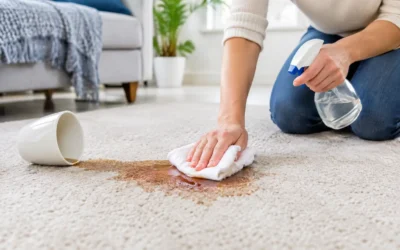
Spot cleaning also needs care. Scrubbing aggressively can damage fibres and push a spill deeper into the backing. Blot fresh spills with a clean cloth, work from the outside towards the centre, and avoid mixing cleaning products. For old stains, pet accidents or large affected areas, professional treatment is usually the safer option.
Finally, remember that a carpet is only one part of the room. If allergens are a continuing concern, clean upholstery, rugs and mattresses as part of the wider plan. Curtains, cushions and soft toys may also need regular washing or vacuuming.
When it is time to call a professional
A professional clean is particularly worthwhile when allergy symptoms persist despite regular vacuuming, after building work, following a tenancy change or when a pet has had an accident on the carpet. It is also a sensible choice before a new baby arrives, after an illness, or when preparing a home for sale.
Ask what method is recommended for your particular carpet, how long drying is likely to take and whether the products used are suitable for children and pets. An experienced cleaner should be happy to explain the process clearly and give realistic expectations. Deep cleaning can greatly improve hygiene and appearance, but no service can promise to remove every possible allergen forever.
A cleaner carpet will not replace medical advice or a prescribed allergy plan. It can, however, remove one everyday source of trapped dust and dander from the home. If your carpets have become part of the problem rather than a comfortable part of the room, arranging a professional assessment is a straightforward place to start.