That freshly dry-cleaned coat or duvet may look spotless, but the smell can make pet owners pause. Is dry cleaning pet safe? Usually, a professionally cleaned item is safe once it has been fully aired and is completely dry, but the answer depends on the cleaning method used, how much residue remains and whether your pet is likely to lick, chew or sleep against the fabric.
Pets spend far more time close to floors, bedding and soft furnishings than we do. Dogs may mouth a dropped scarf, cats may settle into a freshly cleaned blanket, and smaller pets can be especially sensitive to strong odours and airborne chemicals. A little care after collection helps keep the benefits of professional cleaning without bringing unnecessary concerns into the home.
Is Dry Cleaning Pet Safe After Collection?
Traditional dry cleaning does not use water as its main cleaning medium. Instead, garments are cleaned using a solvent, then dried in specialist equipment. The process is particularly useful for delicate fabrics, tailored clothing and items that could shrink, lose shape or bleed colour in a standard wash.
The concern is not normally the cleaned item itself once it has been properly processed. It is the possibility of solvent vapours or traces of chemicals remaining on fabric, particularly if an item is returned with a noticeable chemical smell. Pets have sensitive noses and smaller bodies, so what feels like a mild odour to us may be unpleasant or irritating to them.
Perchloroethylene, often called PERC, has historically been widely used in dry cleaning. It is effective on grease and oil, but it can release vapours and is not something pets should be exposed to unnecessarily. Many cleaners now use alternative solvents or professional wet-cleaning methods, which may have a lower odour or different environmental profile. “Green” does not automatically mean completely risk-free, however, so it is sensible to ask what process is used rather than relying on a label alone.
For most households, the practical rule is simple: do not put a freshly dry-cleaned item straight into your pet’s bed, crate or favourite sleeping spot. Air it first in a well-ventilated room away from curious animals.
When Dry-Cleaned Items Need Extra Care
A dry-cleaned suit hanging in a wardrobe is unlikely to present the same issue as a blanket, cushion cover or throw that your dog or cat lies on every day. The more direct and prolonged the contact, the more worthwhile it is to be cautious.
Take particular care with items that are likely to be licked, chewed or rubbed against the face. This includes pet-adjacent blankets, coats left on the sofa, children’s soft toys and bedding. If the item smells strongly of solvent when you unpack it, leave it out to air until the odour has gone. Avoid sealing it in a cupboard immediately, as this can trap vapours.
Birds, rabbits, guinea pigs and other small animals can be more vulnerable to airborne irritants than cats and dogs. Keep freshly cleaned garments well away from their cages or indoor enclosures, and ventilate the room properly. If you have an animal with breathing difficulties, allergies or a history of skin irritation, choosing a low-odour process is especially worthwhile.
Questions Worth Asking Your Dry Cleaner
A good dry cleaner should be able to explain their process clearly. You do not need to know the chemistry in detail. Ask whether they use PERC, hydrocarbon solvents, silicone-based cleaning or professional wet cleaning, and whether the item will be fully dried and aired before collection.
It is also reasonable to mention that the item will be used around pets. This is particularly useful for large washable covers, curtains, throws or fabric items that cannot be cleaned conventionally at home. The cleaner may be able to recommend the most suitable treatment for the fabric and its intended use.
Be cautious with added fragrance products. A perfume designed to make a garment smell “fresh” is not necessarily harmful, but strong scents can be irritating for sensitive pets and people. A genuinely clean item does not need to have a heavy fragrance to prove it has been cleaned.
How to Bring Dry-Cleaned Items Home Safely
Once you collect an item, remove the plastic covering as soon as practical. Plastic can hold in odours and is also a hazard if a pet gets hold of it. Hang the item somewhere with good airflow, ideally near an open window but out of direct rain and strong sunlight that could affect delicate fabrics.
Allowing a few hours of airing is often enough for a lightly scented or low-odour item. If there is still a pronounced chemical smell, leave it longer and contact the cleaner if it does not fade. Do not try to mask the smell with fabric sprays, essential oils or perfume. Many essential oils are unsuitable for pets, especially cats, and adding another product can make the situation harder to assess.
Wash your hands after handling the item if it feels at all damp or has a strong smell, then keep it out of reach until it is ready to use. If your pet does lick or chew a freshly dry-cleaned fabric and then seems unwell, seek advice from your vet promptly and, where possible, tell them which cleaning method or solvent was used.
Dry Cleaning Is Not the Same as Carpet Cleaning
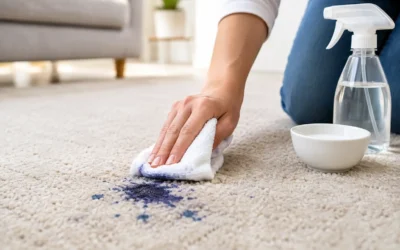
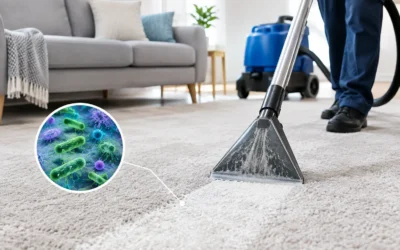
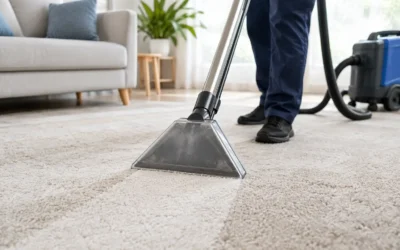
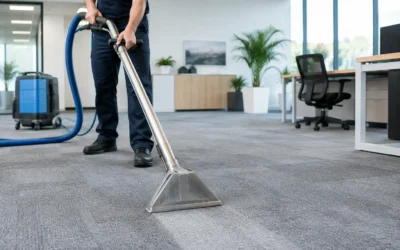
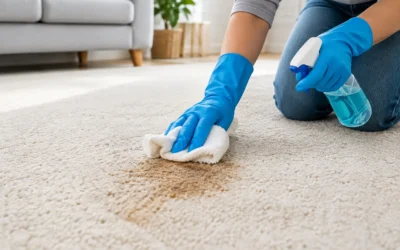
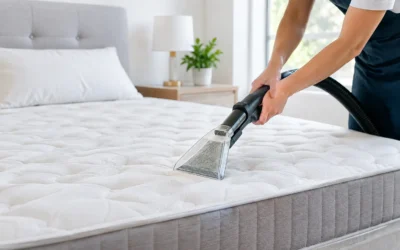
This distinction matters in homes with pets. “Dry cleaning” can describe several processes, and it is not the same as having a carpet professionally cleaned. Specialist carpet and upholstery cleaning may use hot water extraction, low-moisture cleaning or carefully selected cleaning solutions designed for the material and level of soiling.
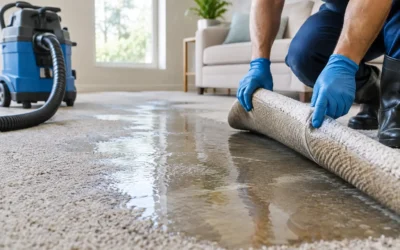
For carpets, rugs, sofas and mattresses, the key questions are whether cleaning products are suitable for pets, whether residues are thoroughly removed and how long the item needs to dry before animals return to it. A professional should explain this before work begins, particularly where there are puppies, elderly pets, allergies or recent urine accidents.
At City Carpet Cleaning, pet-safe cleaning solutions are selected alongside the right equipment and method for the fabric or flooring. This helps remove the things pets bring into a home – muddy paw marks, hair, dander, odours and accidents – without leaving the room smelling heavily of chemicals. Drying guidance is just as important: pets should stay off a freshly cleaned carpet or sofa until it is dry, both for their comfort and to prevent dirt being tracked back onto the surface.
Choosing a Safer Cleaning Approach for Pet Households
The safest option is not always the same for every item. A silk dress may genuinely require specialist dry cleaning, while washable cushion covers may be better laundered according to their care label. A heavily soiled rug may need a professional assessment rather than a shop-bought spray, especially if pet urine has reached the backing or underlay.
For everyday household textiles, choose the least intensive process that will clean the item properly. Follow care labels, use fragrance-free products where practical and avoid overusing stain treatments. More product does not necessarily mean a cleaner result. In fact, excess detergent or spot cleaner can leave a residue that attracts dirt and may irritate sensitive skin.
Professional cleaning has a useful role when stains, odours or embedded dirt cannot be dealt with safely at home. The right service should balance effective results with the needs of everyone using the space, including the four-legged members of the household.
Signs Your Pet May Be Reacting to a Cleaning Product
Most pets will simply avoid an unfamiliar smell. Contact a vet if you notice repeated coughing, wheezing, excessive drooling, vomiting, unusual tiredness, red or itchy skin, or persistent eye irritation after exposure to a freshly cleaned item. These signs can have many causes, so do not assume cleaning is responsible, but acting early is always sensible.
Keep any packaging, receipt or information from the cleaner. Knowing what product or process was used can help a vet give more appropriate advice.
A Clean Home Should Still Feel Like Home
There is no need to avoid professional cleaning simply because you have pets. The sensible approach is to choose a reputable cleaner, ask clear questions, air dry-cleaned items before use and keep pets away from freshly treated carpets and furnishings until they are dry.
Your dog should be able to curl up on the rug, and your cat should be able to claim the cleanest chair in the house, without you worrying about strong smells or unnecessary residues. When in doubt, a quick conversation with the cleaning professional before the work is booked can give you the reassurance you need.