A leather sofa can look beautifully lived-in for years, but there is a difference between a natural patina and ingrained dirt. Body oils, food spills, pet hair, dust and everyday use gradually settle into the surface and seams. Professional leather sofa cleaning Brighton homeowners rely on is about removing that build-up carefully, without leaving the leather dry, sticky or marked.
Leather is a hard-wearing material, but it is not maintenance-free. The wrong household cleaner, too much water or an enthusiastic scrub can strip its protective finish and make an otherwise minor stain far more noticeable. A considered approach keeps your sofa comfortable, clean and looking at home in your living space.
Why leather sofas need specialist care
Most modern leather sofas have a protective coating, while others are more absorbent and delicate. Aniline, semi-aniline, pigmented leather, nubuck and suede-style finishes all react differently to moisture and cleaning products. What works safely on one sofa may cause fading, stiffness or patchy marks on another.
Brighton and Hove homes often have busy family rooms, pets on the furniture and sofas positioned near bright windows. Those everyday conditions can leave leather looking dull, particularly on armrests, headrests and seat cushions. Oils from skin and hair are a common cause, while sunlight can gradually affect colour and weaken the surface if the sofa is not cared for properly.
A professional assessment matters because cleaning is not simply a case of applying a product and wiping it away. The leather type, its condition, the level of soiling and the nature of any stain all need to be considered first. This helps avoid unnecessary risk and gives the best chance of an even, refreshed result.
Common problems with leather furniture
Greasy-looking headrests and darkened armrests are among the most frequent issues. These areas receive the most contact and can slowly become noticeably darker than the rest of the sofa. Dust also collects in stitching, buttoned sections and between cushions, where ordinary wiping does little to remove it.
Food and drink spills need prompt attention. Tea, coffee, wine, sauces and greasy snacks can stain or leave a residue, especially if they are rubbed into the leather. Ink, make-up and dye transfer from clothing are also possible, although results depend on how long the mark has been present and whether anyone has already tried a strong cleaner.
Pet households bring their own challenges. Fur, dander, muddy paws and occasional accidents can affect both the appearance and freshness of a sofa. Leather is generally easier to maintain than fabric upholstery, but it can still hold odours around seams and cushion joins. Families with young children may also find that sticky fingerprints and small spills build up quickly.
Leather sofa cleaning Brighton homes can depend on
Good leather cleaning begins with a careful inspection and a small test in an inconspicuous area. This identifies the finish and confirms that the chosen cleaning method is suitable. It is particularly important for older furniture, worn seating areas and pale leather, where changes in colour or sheen can be more obvious.
The sofa should first be vacuumed with appropriate attachments to remove loose dust, crumbs and pet hair from seams and crevices. A specialist leather cleaner can then be used in controlled amounts to lift surface grime without soaking the material. The aim is to clean evenly and gently, rather than saturate the leather or scrub it aggressively.
Once the soil has been removed, suitable conditioning may be used where appropriate. Leather naturally benefits from care that helps maintain a supple feel and reduces the risk of drying or cracking. However, conditioning is not a cure for deep cracks, severe peeling or colour loss. In those cases, restoration or recolouring may be more suitable than cleaning alone.
At City Carpet Cleaning, the approach is based on treating each item according to its condition rather than applying one method to every sofa. Specialist equipment, modern techniques and child- and pet-safe solutions are used with care, helping customers across Brighton, Hove and nearby East Sussex areas enjoy cleaner, fresher furnishings without needless disruption at home.
What to do when a spill happens
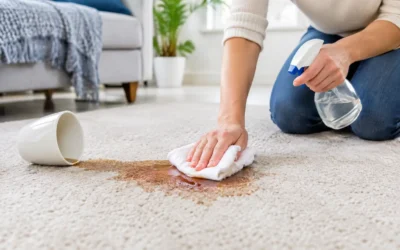
The first few minutes can make a real difference. Blot a fresh spill gently with a clean, dry white cloth or kitchen roll. Work from the outside of the mark towards the centre and avoid rubbing, as this can spread the stain or push it further into the surface.
Do not reach for washing-up liquid, bleach, disinfectant wipes, vinegar, furniture polish or all-purpose sprays. Many of these products can leave a greasy film, remove protective coatings or cause discolouration. Baby wipes are another common culprit because they may contain alcohol, moisturisers or fragrance that leather does not tolerate well.
If a spill has left a visible mark, take note of what caused it and arrange professional advice as soon as you can. The sooner a difficult stain is assessed, the better the prospects of removal. That said, an older stain is still worth inspecting. Even where complete removal is not realistic, professional cleaning can often make the mark far less noticeable and improve the surrounding area.
How often should a leather sofa be cleaned?
For most households, a professional clean every 12 to 18 months is a sensible guide. A sofa used daily by a family, pets or frequent visitors may benefit from more regular attention, particularly if it is light-coloured or positioned in a sunny room. A rarely used sofa in a low-traffic room may need less frequent deep cleaning.
Between appointments, light maintenance makes a worthwhile difference. Dust the sofa with a soft, dry cloth, vacuum seams carefully, and deal with fresh spills straight away. Keep it away from direct heat sources such as radiators and fires where possible, as repeated heat can dry leather over time.
Avoid placing leather furniture in prolonged direct sunlight, especially near south-facing windows. Curtains, blinds or moving the furniture slightly can reduce uneven fading. These small habits will not replace professional cleaning, but they can help protect the finish and extend the time between more intensive treatments.
When cleaning may not be enough
Some damage is beyond routine cleaning. Flaking or peeling surfaces, deep scratches from pets, cracking, burns and extensive dye transfer may need repair work rather than a standard clean. It is also worth being realistic about heavily worn cushions. Cleaning can improve hygiene and appearance, but it cannot always restore the original colour or texture.
This is where an honest assessment is valuable. A reputable cleaner should explain what can reasonably be improved, what may remain visible, and whether cleaning represents good value for the condition of the sofa. Clear expectations are part of doing the job properly.
For tenants and landlords, a professional clean can be particularly useful before a move, after a long tenancy or when preparing a furnished property for new occupants. A refreshed leather sofa helps a room feel better cared for and can avoid the expense of replacing furniture that is simply overdue for proper attention.
A cleaner sofa makes the whole room feel better
Leather furniture is often the centre of the room, so grime on the arms and cushions can make an otherwise tidy space look tired. Careful professional cleaning can restore a more even appearance, reduce lingering odours and remove the day-to-day build-up that ordinary wiping leaves behind.
If your sofa is looking dull, marked or greasy around the areas people use most, it is worth getting a free, no-obligation quote before experimenting with household products. The right care can protect a piece of furniture you already enjoy and help it stay comfortable, presentable and ready for everyday family life.