A carpet can look tired long before it is worn out. In a busy office, soil is carried in on shoes, drinks are knocked over near desks and fine dust settles deep into the pile. The right office carpet maintenance tips help protect the appearance of your workplace, support better indoor hygiene and avoid the cost of replacing flooring before its time.
For office managers, facilities teams and business owners, the aim is not to keep carpet looking brand new every day. It is to manage dirt before it becomes embedded, deal with accidents promptly and arrange professional cleaning at the point where routine care is no longer enough.
Start at the entrance, where most dirt arrives
The majority of office carpet soil comes through the front door. Grit, moisture, road dust and mud act like abrasive particles underfoot. Left in place, they gradually roughen carpet fibres and leave walkways looking grey or flattened.
Use a good-quality entrance matting system both outside and inside the doorway where possible. The outer mat should remove larger debris and moisture, while the inner mat catches finer particles. A small, lightweight mat that shifts around underfoot will not do much, so make sure it is large enough for several steps and is cleaned regularly.
This matters particularly during wet Brighton and Hove weather, when rainwater and grit can be tracked from pavements straight into reception areas. Vacuum entrance mats frequently, not just the carpet beyond them. Once the mat is saturated with soil, it starts passing that dirt on.
Vacuum more carefully, not just more often
Vacuuming is the foundation of office carpet maintenance. It removes dry soil before foot traffic presses it deeper into the pile. Yet a quick pass with a poorly maintained vacuum rarely reaches the dirt that causes carpets to look dull.
High-traffic zones such as entrances, corridors, kitchen areas, printer stations and routes between desks should usually be vacuumed daily. Quieter meeting rooms and private offices may only need attention two or three times a week. The right frequency depends on footfall, the season and whether staff or visitors regularly bring in dirt from outside.
Move slowly enough for the vacuum to lift particles rather than simply skim the surface. Make overlapping passes in busy areas, and use the crevice tool along skirting boards and beneath fixed furniture where dust gathers. Check bags, filters and brush bars routinely. A full bag or blocked filter reduces suction, while a tangled brush bar is far less effective at lifting fibres.
Lift pile in busy walkways
Carpet that looks flat is not always permanently damaged. Repeated footfall bends the fibres in one direction, especially in corridors and around workstations. A vacuum with a suitable rotating brush can help lift the pile, but it should be set correctly for the carpet type. Too aggressive a setting can cause unnecessary wear, particularly on loop-pile carpets.
Rearranging movable furniture occasionally can also spread wear more evenly. Where desk layouts cannot change, consider protective mats under office chairs with castors, provided they are suitable for the flooring and do not create a trip hazard.
Treat spills quickly and calmly
Coffee, tea, milk, ink and food spills are part of office life. The difference between a minor mark and a lasting stain is often the response in the first few minutes.
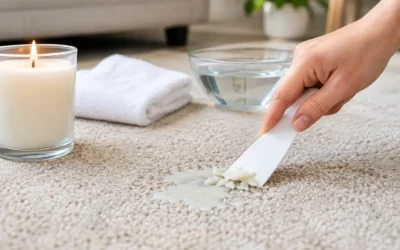
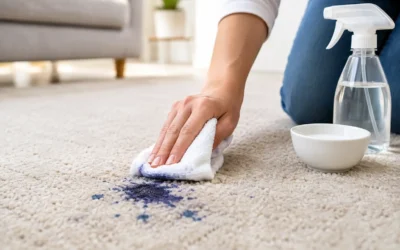
Blot fresh spills with a clean white cloth or plain paper towel. Start at the outside edge and work inwards, using gentle pressure to absorb liquid. Rubbing is a common mistake because it pushes the spill deeper into the carpet and can spread it over a wider area.
For a water-based drink spill, use a small amount of clean water to rinse after blotting, then blot again until the area is as dry as possible. Avoid soaking the carpet. Too much water can leave backing damp, encourage odours and draw soil back to the surface as it dries.
Be cautious with shop-bought stain removers. Some products leave a sticky residue that attracts dirt, while others can alter carpet colour or damage delicate fibres. Test any cleaner in a hidden area first and follow the carpet manufacturer’s guidance. Bleach, washing-up liquid, strong disinfectants and household powders are not sensible all-purpose solutions for office carpet.
If a spill contains oil, dye, ink, red wine or a strongly coloured food, it is often better to stop experimenting and arrange specialist help. Tell the cleaning technician what was spilled and what, if anything, has already been applied. That information helps them choose the safest and most effective treatment.
Keep kitchen and break areas under control
Office kitchens are a frequent source of greasy marks, crumbs and drink spills. These residues can transfer to shoes and be walked into nearby carpet, even if the kitchen itself has hard flooring.
Place absorbent mats at kitchen exits, clean them regularly and make sure bins are emptied before they overflow. Encourage staff to report spills rather than quietly covering them with a chair or leaving them until the end of the day. A simple, accessible spill kit with white cloths, paper towels and clear instructions can make a real difference.
It is also worth looking at the route from the kitchen to desks and meeting rooms. If the same path is used throughout the day, it may need more frequent vacuuming or spot treatment than the rest of the office.
Reduce the dirt that settles during the working day
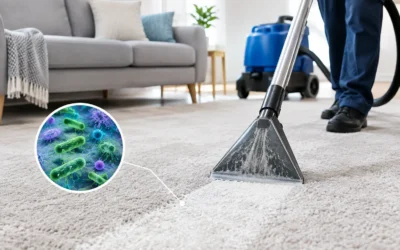
Carpets hold airborne dust, fibres, pollen and other everyday particles. This is one reason a carpet can appear clean but still benefit from a deeper clean. Good ventilation, regular dusting and proper cleaning of upholstered office chairs all help reduce what ends up in the carpet.
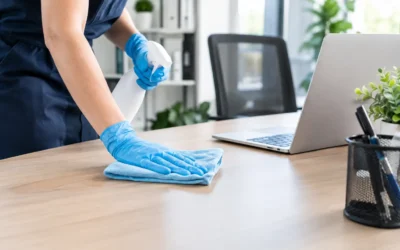
Avoid dry sweeping near carpeted areas, as it can send fine dust back into the air. Wipe desks and hard surfaces with suitable cloths before vacuuming, so settled dust is removed rather than redistributed. If your workplace has staff with allergies or respiratory sensitivities, consistent cleaning routines can be particularly helpful in keeping the environment fresher.
Do not forget areas hidden from view. Under desks, behind reception furniture and beneath meeting-room tables can collect a surprising amount of dust and debris. These areas do not need daily attention, but including them in a planned weekly or monthly routine prevents a gradual build-up.
Plan professional cleaning before carpets look beyond saving
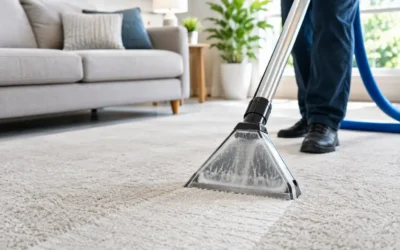
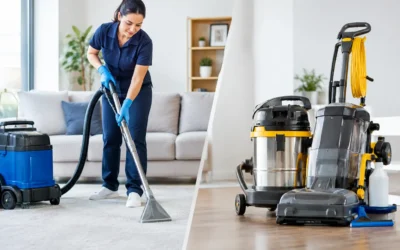
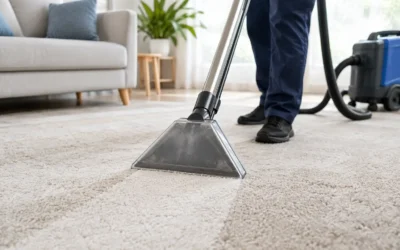
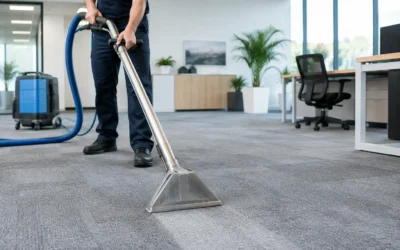
Routine vacuuming and prompt spot care cannot remove everything. Fine grit, oily residue and allergens work down into the fibres over time, particularly in commercial settings. Professional deep cleaning removes embedded soil that ordinary equipment cannot reach and can restore a more even appearance to tired carpet.
How often an office needs a professional clean depends on its use. A small, low-traffic office may benefit from a scheduled clean once or twice a year. A busy reception, ground-floor business, shared workspace or premises with frequent visitors may need cleaning more often. Seasonal cleaning can work well too, with an extra appointment after winter weather or following a particularly busy period.
The cheapest quotation is not always the best value if it leaves carpet wet for too long, uses unsuitable products or fails to address heavily soiled areas. Ask how the carpet will be assessed, which method is appropriate for the fibre type and how long drying is likely to take. Cleaning can often be arranged outside normal working hours to limit disruption.
City Carpet Cleaning provides insured commercial carpet cleaning for offices across Brighton, Hove and surrounding East Sussex areas, using specialist equipment and modern methods chosen to suit the condition of the carpet. For workplaces with children visiting, pets on site or staff with sensitivities, it is sensible to ask about child- and pet-safe cleaning solutions as part of the booking.
Keep a simple cleaning record
A short record makes carpet care easier to manage, especially in shared offices or premises with several responsible people. Note the dates of professional cleaning, recurring stain locations, reported spills and areas that need more frequent attention. This helps identify patterns, such as a leaking drinks machine, a problematic entrance route or a meeting room that receives more use than expected.
It also gives you useful information when requesting a quote. A cleaner can plan more accurately when they know the carpet type, approximate area, level of foot traffic and whether there are specific stains to treat.
Clean office carpets are not about perfection. They are about giving staff and visitors a workplace that feels cared for, hygienic and professional. A few consistent habits, backed by timely deep cleaning, will keep your flooring looking presentable for far longer and make each professional clean work harder for your business.