A glass tips over, the wine spreads faster than expected, and the pale carpet suddenly becomes the only thing anyone can see. Red wine stain removal from carpet is usually most successful when you act calmly and quickly – but the wrong home remedy can set the stain, spread it deeper or affect the carpet’s colour.
The aim is not to scrub the spot until it disappears. It is to lift as much liquid as possible, treat the remaining pigment gently, and avoid leaving residue behind. This matters even more with wool, light-coloured carpets, textured pile and carpets fitted in homes with children or pets.
Red Wine Stain Removal From Carpet: The First 10 Minutes
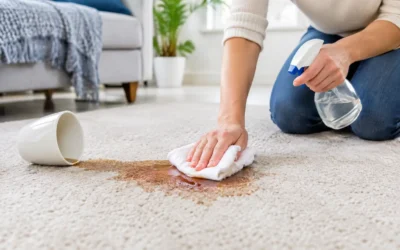
Start by removing any excess liquid. Use clean white kitchen roll or a white, absorbent cloth and press it firmly onto the spill. Work from the outer edge towards the centre so the wine does not spread further into the surrounding fibres. Replace the paper or turn the cloth frequently as it absorbs the wine.
Do not rub. Rubbing can push red wine further down into the pile and backing, while also roughening or distorting carpet fibres. It can make a small, treatable spill look larger and leave a noticeable patch even after the colour has faded.
Once you have blotted up as much as possible, lightly dampen a clean white cloth with cool water and dab the area. Blot again with a dry cloth. This simple rinse-and-blot approach helps dilute wine left near the surface without soaking the carpet.
Avoid pouring water directly onto the carpet. Excess moisture can travel into the underlay, particularly around the edges of a stain, and can create drying problems or leave a tide mark. Several light applications are safer than one heavy soaking.
Use a mild solution, not a cupboard experiment
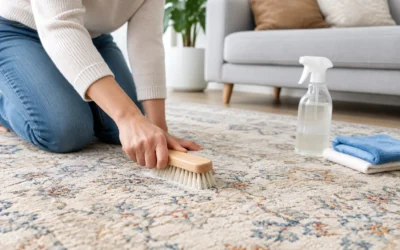
If a faint red or purple mark remains after blotting, a mild detergent solution may help. Mix a very small amount of clear washing-up liquid into cool water, then apply it to a white cloth rather than directly to the carpet. Dab gently, allow a short moment for the solution to work, then blot with a separate cloth dampened with plain cool water.
The final rinse is important. Detergent left in the carpet can attract soil afterwards, turning a wine mark into a dull, sticky-looking patch over time. Blot dry when you have finished and allow the area to air dry fully before judging the result.
Test any cleaning product in an inconspicuous area first, such as inside a cupboard or behind furniture. Carpets vary enormously. A product that is fine on a synthetic beige carpet may be unsuitable for wool, dyed natural fibres or a richly coloured patterned carpet.
What Not to Put on a Wine-Stained Carpet
There is no shortage of quick-fix advice for red wine spills, but some popular methods create more work than they save. White wine is not a reliable treatment. At best, it dilutes the original spill; at worst, it adds more liquid, sugar and residue to the carpet.
Salt can absorb liquid when applied immediately, but it does not remove the wine pigment from the fibres. If it is left to dry into the pile, it may be awkward to remove thoroughly. Baking soda pastes can also leave powder behind and can be difficult to rinse from a dense carpet.
Be particularly cautious with bleach, strong stain removers and hydrogen peroxide. These may lighten or permanently change the carpet’s colour, especially on wool or darker carpets. A pale patch can be harder to disguise than the original wine stain. Likewise, avoid hot water, hairdryers and steam until the stain has been properly treated. Heat can make stains more difficult to remove and may affect certain carpet fibres.
Why Red Wine Can Be So Stubborn
Red wine contains strong natural pigments known as anthocyanins, along with tannins. These are the same compounds that give red wine its deep colour and its ability to leave a mark on fabric. Once the liquid dries, the pigment can bond more firmly to the fibres, which is why a stain that looked manageable on Saturday evening may be far more noticeable on Monday morning.
The carpet itself also affects the outcome. Synthetic carpets are often more forgiving than wool, but this is not a rule worth relying on. Wool is naturally absorbent and can react badly to unsuitable products. Loop-pile carpets require extra care because aggressive rubbing can snag the loops. On a thick carpet, wine may have travelled below the visible surface, so cleaning only the top can leave colour or odour to return as the area dries.
Older stains are still worth treating, but they usually need more patience and a more tailored approach. Repeatedly adding shop-bought products without fully rinsing between attempts can build up residues and make professional treatment less straightforward.
When to Call a Professional Carpet Cleaner
A professional clean is sensible when the spill covers a large area, has dried, has been treated unsuccessfully already, or is on an expensive, wool or delicate carpet. It is also a good option when red wine has soaked through near seams, skirting boards or furniture legs, where moisture can be difficult to manage safely.
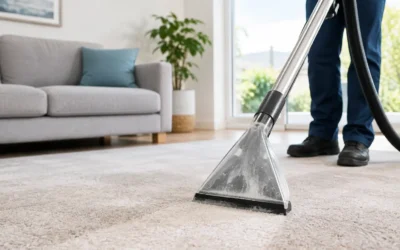
Professional carpet cleaners assess the fibre type, the age of the stain and any products already used. That assessment matters. The right treatment for a fresh stain on polypropylene is not necessarily suitable for a dried stain on wool. Specialist stain treatments, controlled rinsing and extraction equipment can remove loosened soil and cleaning residue more effectively than blotting alone.
No responsible cleaner should promise that every old stain will vanish completely. Some dyes, prior treatments and damaged fibres limit what can be achieved. However, prompt professional attention gives a stubborn stain the best chance of being reduced or removed without causing further harm to the carpet.
For tenants preparing for an inspection, landlords between tenancies, or households getting ready to sell, it is often better to address a visible wine mark properly than to cover it with a rug and hope it goes unnoticed. A clean, even-looking carpet helps a room feel cared for and can prevent a small accident becoming a bigger cost later.
Protecting the Carpet While It Dries
After treating the stain, keep people and pets off the damp area until it is dry. Walking on it can transfer soil into the fibres and flatten the pile. Good ventilation will help, but avoid blasting the area with direct high heat.
If the stain seems to disappear while wet but reappears after drying, do not immediately apply more product. This can indicate that pigment or detergent residue is still deeper in the pile. A professional inspection is often the most practical next step, particularly if you are unsure which products have already been used.
For homes across Brighton, Hove and the surrounding East Sussex area, City Carpet Cleaning can assess difficult red wine stains and provide a careful, child- and pet-safe professional clean where appropriate. Acting early, keeping the stain dry rather than saturated, and choosing a treatment suited to the carpet will always give you the strongest chance of restoring the area well.
A spilled glass does not automatically mean a ruined carpet. Put the scrubbing brush away, blot patiently, and seek experienced help before a quick fix becomes a permanent mark.