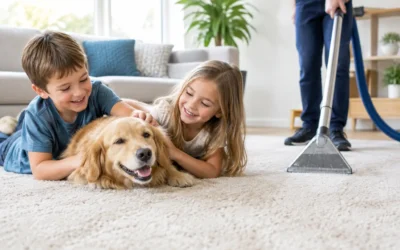
A muddy pawprint by the back door is one thing. A carpet holding pet hair, old odours and the occasional accident is another. So, is professional cleaning pet safe? In most cases, yes – provided the work is carried out with suitable products, the correct method and sensible aftercare. A reputable cleaner should be happy to explain exactly how they will protect your pets as well as your carpets.
For households in Brighton, Hove and across East Sussex, this matters because pets spend much more time close to the floor than we do. They lie on rugs, lick their paws and breathe close to carpet fibres. The aim is not simply to make a room look cleaner. It is to remove the soil, dander and residues that can make a home feel less fresh, while leaving the space safe for every member of the family.
Is professional cleaning pet safe? It depends on the process
The words “pet safe” should never be treated as a blanket promise. Safety depends on the cleaning solution used, how much is applied, whether it is thoroughly extracted, and whether pets are kept away until the area is dry. A product can be suitable for use in a pet-owning home without being safe for an animal to drink, lick or walk through while it is still wet.
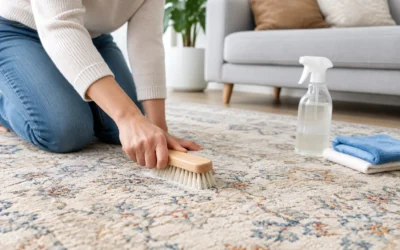
Professional carpet cleaning is often safer than repeated DIY spot cleaning. Shop-bought products can be over-applied when a stain will not shift, leaving sticky residues that attract more dirt and may irritate sensitive paws or skin. A trained cleaner uses measured solutions and specialist extraction equipment to lift dirt and cleaning residues from deep within the pile.
At City Carpet Cleaning, we use child- and pet-safe cleaning solutions alongside professional equipment designed to remove as much moisture and soil as possible. The result is a cleaner, fresher carpet without filling the home with strong fragrances or unnecessary residue.
Why a proper deep clean can help pet-owning homes
Pets bring warmth and character to a home, but they also bring hair, dander, oils from their coats and outdoor debris. These do not always show on the surface. They settle into carpet fibres, upholstery and rugs, particularly in the places your pet favours for sleeping.
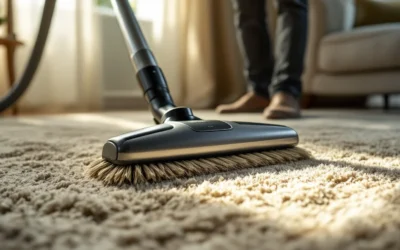
Vacuuming is essential, but it mainly deals with loose material near the surface. A professional deep clean reaches further into the fabric to remove embedded grime. This can make a noticeable difference to stale smells, dull-looking traffic areas and the general feel of a room.
For families managing allergies, this work can be particularly worthwhile. Pet dander is very small and easily disturbed by daily activity. Removing the build-up from soft furnishings can support a cleaner indoor environment, although it will not stop an allergy on its own. Regular vacuuming, grooming pets and washing their bedding still matter.
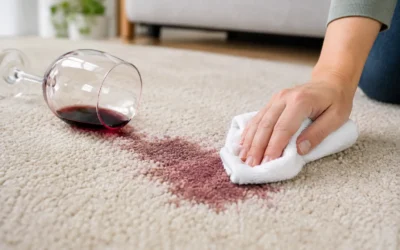
Accident areas need particular care. Urine may soak through carpet backing and, in some cases, reach the underlay or floor beneath. Treating only the surface can leave the source of the odour behind. A professional assessment helps determine whether targeted treatment is likely to solve the problem or whether more extensive work is needed. Honest advice is important here: long-standing contamination may not disappear completely in one visit.
The cleaning methods that make a difference
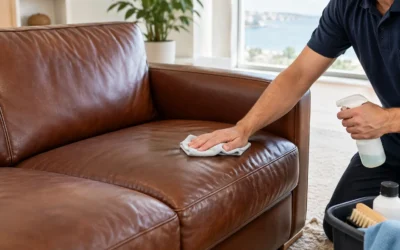
The right cleaning approach is based on the carpet or upholstery type, its condition and the issue being treated. Wool, delicate rugs and certain upholstery fabrics need different handling from a hard-wearing synthetic carpet. Using the wrong product or too much water can cause problems, which is why professional inspection comes before treatment.
Hot water extraction is commonly used for carpets because it flushes out soil while powerful extraction removes the dirty water. When performed correctly, it does not leave a carpet saturated. Drying time varies with the carpet, weather, ventilation and how heavily soiled it was, but good extraction helps keep it manageable.
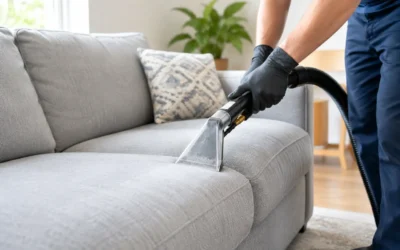
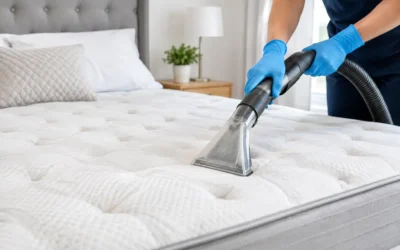
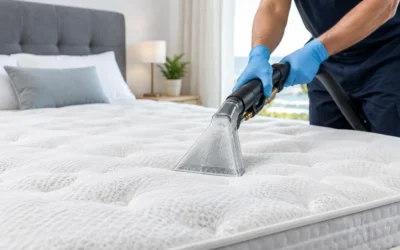
Low-moisture methods may be more suitable in some settings, especially where faster drying is needed. Upholstery and mattresses also require controlled moisture levels to avoid overwetting. The method is less important than the outcome: clean fibres, minimal residue and a fabric that dries properly.
Fragrance is not proof of cleanliness. In fact, heavily perfumed products can be unpleasant for pets with sensitive noses and for people prone to headaches or respiratory irritation. A clean carpet should smell neutral and fresh once dry, not like it has been covered up with perfume.
Before the cleaner arrives
A little preparation makes the appointment safer and smoother for both your pet and the cleaner. Most animals are happier away from unfamiliar equipment, hoses and noise. Arrange for your dog, cat or other pet to stay in a separate room, secure garden area or with someone else while the work is underway.
Tell the cleaner about any pet accidents, scent-marking areas, flea treatments, allergies or health concerns before work begins. This allows them to choose an appropriate treatment and focus attention where it is needed. If your pet is elderly, anxious or has a respiratory condition, mention that too.
Birds, fish and small mammals deserve additional caution. Birds can be especially sensitive to airborne products and changes in air quality, while aquarium lids and filtration systems may need protecting from spray and dust. The safest arrangement is usually to move small pets from the room and discuss their needs in advance rather than making assumptions on the day.
During and after cleaning: simple rules for pet safety
Keep pets out of the cleaned area until it is fully dry. This prevents pawprints, stops them from licking damp fibres and gives the carpet the best chance to dry evenly. Depending on the method and conditions, this may be a few hours or longer. Your cleaner should give realistic guidance rather than promising an exact drying time that the weather may change.
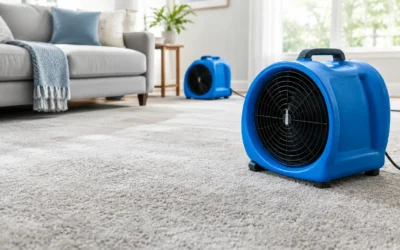
Open windows where practical, particularly after cleaning, and maintain normal heating if the season calls for it. Good airflow helps moisture leave the carpet. Avoid covering damp areas with pet beds, rugs or furniture, as this slows drying and can trap moisture.
Once the carpet is dry, vacuuming can help lift the pile and remove any loosened fibres. Then return pet beds, toys and feeding bowls to the room. If your pet has a habit of licking carpet or chewing furnishings, supervise them initially and contact the cleaner if you have any concerns about the treatment used.
Do not let a pet walk across a freshly cleaned carpet just because it feels almost dry on top. The backing can still hold moisture, and damp paws can transfer dirt back into the fibres. A little patience protects the result and avoids another clean-up job.
Questions worth asking a professional cleaner
You do not need to be an expert in cleaning chemicals to make a sound choice. Ask whether the products are suitable for homes with pets, whether they are fully extracted, and how long your pet should stay off the carpet. A professional should answer clearly, without vague claims or pressure.
It is also sensible to ask how pet odours and urine staining will be assessed. Some firms will promise complete removal before seeing the affected area. A more reliable cleaner will explain that the age of the stain, the carpet construction and the depth of contamination all affect the likely result.
Check that the company is insured and that they will test suitable fabrics where necessary. This is particularly relevant for valuable rugs, wool carpets and upholstered furniture. Cheap cleaning can become expensive if the wrong method damages an item or leaves it wet for too long.
When to delay a clean
There are occasions when postponing is the sensible choice. If a pet is unwell, recovering from surgery, extremely anxious around strangers or unable to stay away from a room while it dries, plan the appointment for another day. The same applies if you cannot provide adequate ventilation or somewhere safe for the animal to rest during the visit.
For normal household cleaning, though, professional cleaning is a practical way to care for a home shared with pets. Choose a local cleaner who uses appropriate solutions, explains the process and gives clear drying advice. Your carpets can look and feel refreshed, while your dog, cat or smaller companion gets back to their favourite spot once it is properly dry.