A carpet that grips your socks or feels slightly tacky beneath bare feet is more than an annoyance. When carpets feel sticky, there is usually something sitting within the fibres or underneath them – and simply vacuuming rarely solves the problem. The cause could be cleaning residue, a spill that has dried unnoticed, pet accidents, damp, or a combination of everyday soil and moisture.
The good news is that sticky carpets can often be restored. The right approach depends on what caused the problem, how widespread it is, and whether the carpet is fully dry. Acting early also helps prevent dirt from bonding to the affected area, turning a sticky patch into a dark, stubborn stain.
Why do carpets feel sticky?
The most common cause is leftover detergent or shampoo. This often happens after hiring a carpet cleaner, using a supermarket spray, or applying more product than the carpet can be rinsed free of. Soap residue attracts dust, grit and pet hair, so the carpet may initially look clean but quickly becomes dull and tacky underfoot.
Spills are another frequent culprit, especially in busy family homes. Sugary drinks, squash, wine, food, grease and some cleaning products can leave a film after the visible mark has faded. In homes with children or pets, sticky areas may also develop around sofas, dining tables, doorways and favourite sleeping spots.
A carpet can feel sticky when it is actually damp rather than soapy. Excess water from cleaning, a leak, wet shoes, a knocked-over drink or poor ventilation can leave fibres clammy. If the backing or underlay has become wet, the issue needs more care than a surface clean. Persistent damp can lead to unpleasant odours, mould growth and damage to the carpet or floor beneath.
Finally, ordinary household grime builds gradually. Outdoor soil, cooking residue, skin oils, pet dander and airborne dust settle into carpet fibres over time. Add a little moisture from a spill or cleaning attempt and the surface can begin to feel tacky, particularly in high-traffic areas.
How to tell what is causing the sticky feeling
Start by checking whether the carpet is dry. Press a clean, white cloth firmly onto the affected area for several seconds. If it feels damp or transfers moisture, improve ventilation straight away by opening windows where practical and using gentle airflow. Avoid walking over the area until it has dried fully.
If the carpet is dry, lightly rub the fibres with a clean white cloth dampened with plain water. A slippery, foamy or slightly waxy feel often points to detergent residue. If the cloth picks up colour or food residue, a spill is more likely. An oily patch near a kitchen, dining area or entrance may need a different treatment from a sugary drink stain.
Take note of the pattern. A single sticky patch suggests a local spill or pet accident. Stickiness across a whole room is more likely to be cleaning residue, over-wetting or accumulated soil. A musty smell, dark patches around edges, or a carpet that remains damp for more than a day are signs to arrange professional assessment rather than continuing to add products.
What you can safely try at home
For a small, dry area that appears to have detergent residue, use plain lukewarm water sparingly. Lightly mist the area or dab it with a clean cloth, then blot repeatedly with dry towels. The aim is to lift residue, not soak the carpet. Work from the outside of the patch towards the centre so you do not spread it further.
Change cloths or towels as they become soiled. Once the area is no longer tacky, allow it to air dry completely before judging the result. Placing a fan nearby can help, but avoid blasting hot air directly onto the carpet, as excessive heat may affect some fibres and backings.
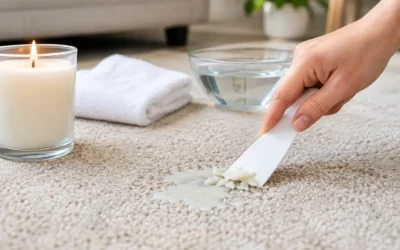
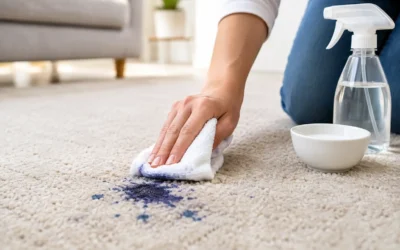
For a fresh food or drink spill, blot first rather than rub. Rubbing pushes the substance deeper into the pile and can distort the fibres. Use a clean white cloth and work patiently, applying light pressure. A small amount of water can help with water-based spills, but do not pour water directly onto the carpet.
If a pet accident is involved, it is especially important to treat both the visible area and any odour source properly. Surface cleaning can leave material in the backing or underlay, encouraging repeat marking by pets and leaving a lingering smell. A specialist pet-safe treatment is often the most reliable option for older or recurring incidents.
What not to do with a sticky carpet
It is tempting to keep adding carpet shampoo until the area feels better. In practice, this can make the problem worse. More detergent means more residue to remove, and too much water can leave the carpet wet below the surface even when the top seems dry.
Avoid washing-up liquid, bleach, washing powder and strong household degreasers. These products are not designed for carpet fibres or backing materials. They may leave a sticky film, alter the colour, weaken fibres or create fumes that are unsuitable for homes with children, pets or allergy-sensitive occupants.
Do not scrub with a hard brush. Vigorous scrubbing can fray the pile, spread a stain and create a visibly rough patch. It is also best not to cover the area with furniture, rugs or plastic until you are certain it is dry. Trapping moisture can turn a manageable cleaning issue into a damp problem.
When professional carpet cleaning is the better choice
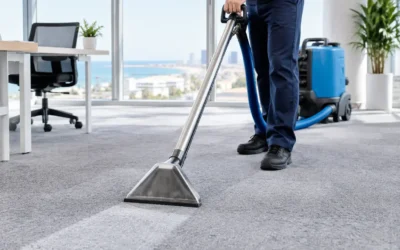
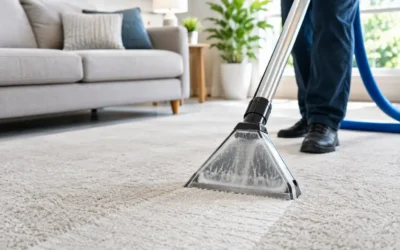
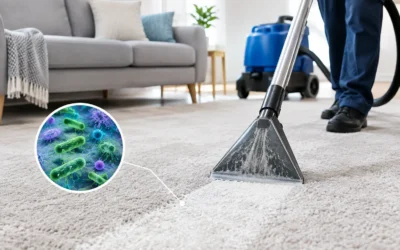
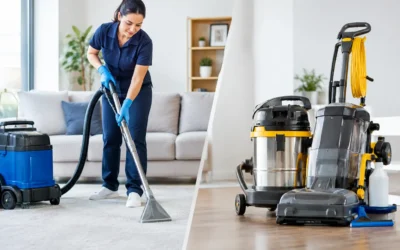
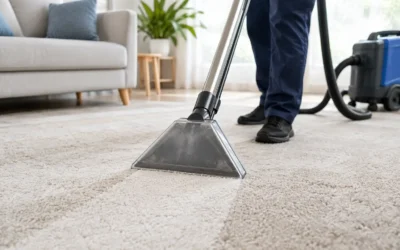
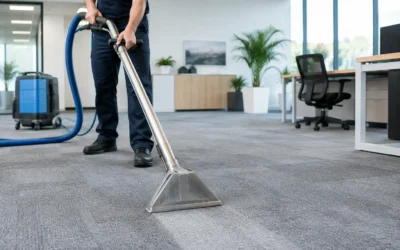
A professional deep clean is worth considering when sticky carpets cover a large area, return shortly after cleaning, have a noticeable odour, or follow a leak or heavy spill. Specialist equipment can flush out embedded soil and cleaning residue while recovering the moisture effectively. This is very different from simply applying more shampoo to the surface.
The method should suit the carpet type, its condition and the source of the stickiness. Some carpets respond well to hot-water extraction, while delicate rugs, wool fibres or lightly soiled carpets may require a lower-moisture or more tailored process. A proper assessment helps avoid over-wetting and protects the carpet’s appearance.
For landlords, tenants and homeowners preparing for a move, sticky patches can be easy to miss until sunlight or foot traffic reveals them. A professional clean can improve the overall finish of the room, remove trapped soil and help carpets feel fresher rather than merely looking passable.
At City Carpet Cleaning, we use modern specialist equipment and child- and pet-safe solutions to deal with residue, stains and deeply held dirt with care. For homes and businesses across Brighton, Hove and surrounding East Sussex areas, a prompt assessment can identify whether the problem is a surface residue issue or something requiring more thorough restoration.
Preventing carpets from becoming sticky again
The simplest prevention is to use less product and more patience. If you clean a small spill yourself, blot thoroughly, use minimal moisture and allow the carpet to dry before walking on it. Wipe shoes at the door, deal with food and drink spills promptly, and vacuum regularly to remove dry soil before it combines with moisture.
In busy households, professional cleaning at sensible intervals can also help keep residues, allergens, pet dander and tracked-in dirt from building up. The right frequency depends on foot traffic, pets, children and whether anyone in the household has allergies. A quiet spare room needs different care from a family lounge or a busy office entrance.
A carpet should feel clean, dry and comfortable underfoot, not tacky or clammy. If careful blotting and drying do not change the problem, avoid experimenting with more chemicals. A proper clean at that point can protect the carpet, improve the feel of the room and save a small issue from becoming a lasting one.