A tipped candle can turn a quiet evening into a carpet-cleaning worry in seconds. The good news is that it is often possible to remove candle wax from carpet without leaving a lasting mark, provided you act patiently and avoid rubbing it further into the pile. The key is to let the wax harden, lift away as much as possible, then use controlled heat to draw out what remains.
Wax stains are different from ordinary spills. If you rush in with hot water, a rough brush or strong cleaning product, you can spread coloured wax, flatten the fibres or leave an oily-looking patch behind. A careful approach protects both the appearance and the life of your carpet.
What to do before removing candle wax from carpet
Start by keeping people and pets away from the affected area until the wax has completely cooled. Trying to wipe up warm wax usually pushes it deeper into the carpet and over a larger area. If the wax is still soft, allow it to set naturally for a few minutes.
For a small fresh spill, placing a bag of ice cubes over the wax can help it harden more quickly. Wrap the ice in a clean cloth or use a sealed bag so that the carpet does not become wet. Leave it in place for a few minutes, then check that the wax feels firm and brittle.
Before using heat or a cleaning solution, consider your carpet type. Wool, delicate natural fibres, pale carpets and expensive rugs all need extra care. If you are uncertain about the material, or the wax has landed on a handwoven or valuable rug, professional cleaning is the safer choice.
Step 1: Lift off the hardened wax
Once the wax has hardened, use the edge of a spoon, a blunt knife or a plastic scraper to gently break it up. Work from the outside of the spill towards the centre so that small pieces are not pushed into clean carpet.
Use a vacuum cleaner to collect loose flakes as you go. Do not dig aggressively at the carpet backing or pull at individual fibres. The aim is to remove the solid wax sitting on top of the pile, not to scrape the carpet itself.
This first step can make a significant difference. Even when a wax spill looks dramatic, much of it may lift away cleanly once it has fully set.
Step 2: Use gentle heat to absorb the remaining wax
After removing the larger pieces, place a plain white paper towel, kitchen roll or clean white cotton cloth over the affected area. Avoid printed paper or coloured cloths, as dye can transfer to the carpet when heat is applied.
Set an iron to its lowest heat setting with the steam switched off. Press it lightly over the paper for just a few seconds at a time. The remaining wax should soften and transfer into the paper. Lift the paper, move to a clean section and repeat until no more wax appears.
Keep the iron moving and never place it directly on the carpet. Excessive heat can damage synthetic fibres, scorch wool, melt parts of the pile or affect the carpet backing. A hairdryer on a low, warm setting can be a gentler alternative, although it takes longer and still requires close attention.
If the wax is deeply embedded, do not keep applying heat repeatedly in the hope that it will eventually disappear. At that stage, there is a risk of setting an oily residue or damaging the fibres. It is better to arrange a professional assessment.
Step 3: Treat any colour or oily residue
Plain white candle wax is usually the simplest to deal with. Coloured, fragranced and heavily pigmented candles can leave a faint dye mark after the wax itself has been removed. Soot from the wick may also leave a grey or black trace.
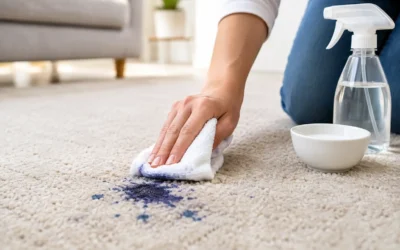
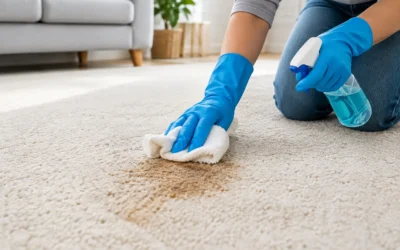
First, blot the area gently with a clean, dry white cloth. Do not rub, as friction can spread the residue and roughen the carpet pile. If a light mark remains, test a small amount of carpet-safe stain treatment on an inconspicuous area first, such as inside a cupboard or beneath furniture.
Use only the amount recommended on the product label and blot rather than scrub. It is wise to avoid bleach, washing-up liquid, solvent-based products and heavily perfumed household cleaners unless they are specifically suitable for your carpet. These can affect colour, leave sticky residue that attracts dirt, or cause problems when the carpet is later professionally cleaned.
Allow the area to dry naturally and then vacuum it lightly to lift the pile. Check the result in daylight, as a faint wax or colour mark can be less visible under artificial lighting.
When home treatment is not the best option
A small patch of white wax on a durable synthetic carpet may respond well to the method above. However, some situations call for specialist equipment and experience. This is particularly true when the wax is coloured, covers a large area, has been trodden through the room, or has affected a wool carpet, stair carpet or rug.
Professional help is also worthwhile if you can still feel a waxy texture after treating the area, notice a darker patch around the spill, or find that the carpet fibres have become matted. These signs can mean wax or oils remain below the visible surface.
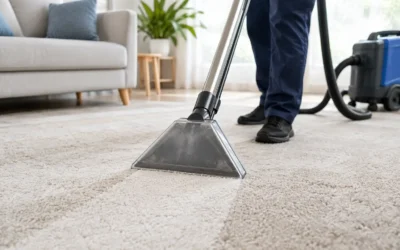
At City Carpet Cleaning, we use suitable stain-removal methods and professional cleaning equipment to treat difficult carpet marks with care. For households in Brighton, Hove and across East Sussex, a prompt professional clean can help prevent a small accident from becoming a permanent blemish.
Mistakes that can make a wax stain worse
The most common mistake is pouring hot water over the wax. Water does not dissolve candle wax, and heat without an absorbent layer can drive it further into the fibres. Rubbing with a towel has a similar effect, particularly when the wax is still warm.
It is also best not to use a high-temperature iron, steam cleaner or harsh solvent straight away. While these may seem like stronger solutions, they can create a bigger problem by damaging carpet fibres or spreading coloured dye. Patience and light, controlled treatment deliver better results.
If you are renting, it is sensible to take a clear photograph of the affected area before attempting treatment. This gives you a record of the original damage and can be useful if you later decide to arrange professional cleaning before a tenancy inspection.
Keeping carpets safer around candles
Candles are often used near sofas, coffee tables and fireplaces, which are also the areas most likely to have carpet beneath them. A sturdy candle holder placed on a heat-resistant tray provides a simple layer of protection. Keep candles away from curtains, pets and busy walkways, and avoid carrying a lit candle across a carpeted room.
For family homes, flameless LED candles can be a practical option in bedrooms, hallways and homes with young children or curious pets. They do not offer exactly the same atmosphere, but they remove the risk of spilled wax altogether.
If wax does reach the carpet, stay calm and resist the urge to scrub. Let it set, lift what you can, use low heat with a clean absorbent cloth, and seek help early if colour, residue or delicate fibres are involved. A measured response gives your carpet the best chance of looking clean, fresh and well cared for again.